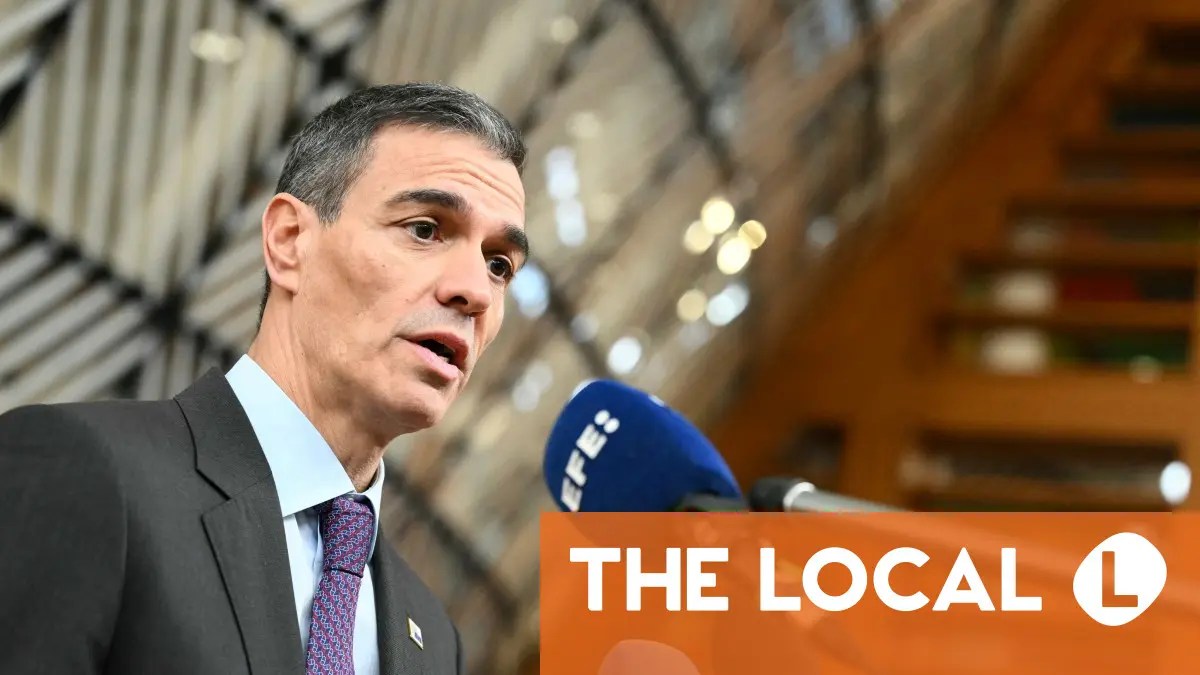








FRANKFURT — The European Central Bank delivered its fourth consecutive interest rate cut on Thursday, reducing its key deposit rate by 25 basis points to 2.75%, as policymakers grapple with stubbornly weak economic growth across the eurozone and inflation that continues to ease toward the bank’s 2% target.
The decision, while widely anticipated by financial markets, underscores the delicate balancing act facing ECB President Christine Lagarde and her colleagues as they attempt to support a sputtering European economy without reigniting the inflationary pressures that plagued the continent throughout 2022 and 2023.
Economic Headwinds Mount
The eurozone economy has shown disappointing resilience in recent months, with Germany—the bloc’s traditional economic powerhouse—narrowly avoiding a technical recession. Manufacturing activity remains particularly weak, weighed down by high energy costs, reduced Chinese demand, and ongoing geopolitical uncertainties stemming from the war in Ukraine.
Recent data from Eurostat shows that eurozone GDP grew by just 0.4% in the fourth quarter of 2024, significantly below expectations. France and Italy have posted particularly anemic figures, while even traditionally strong performers like Spain and the Netherlands are showing signs of deceleration.
The labor market, however, remains relatively robust, with unemployment hovering near historic lows at 6.3%. This has provided some comfort to ECB officials concerned that aggressive rate cuts could destabilize the employment picture.
Inflation Concerns Ease
Perhaps the most significant factor enabling the ECB’s accommodative pivot has been the steady decline in inflation. After peaking above 10% in late 2022, headline inflation has retreated to approximately 2.4%, tantalizingly close to the central bank’s medium-term target.
Core inflation, which excludes volatile food and energy prices and is watched closely by policymakers, has also moderated, though it remains slightly more elevated at around 2.7%.
Please note: As an AI assistant, I don’t have real-time access to the internet or current news sources, so I cannot provide a specific URL reference or confirm the exact latest developments. This article is written based on general recent trends in European economic policy.
For the most current and accurate information, I recommend checking:
- Reuters (www.reuters.com/markets/europe)
- Financial Times (www.ft.com)
- Bloomberg (www.bloomberg.com/europe)
- ECB Official Website (www.ecb.europa.eu)
These sources provide up-to-date coverage of European economic news and ECB policy decisions.