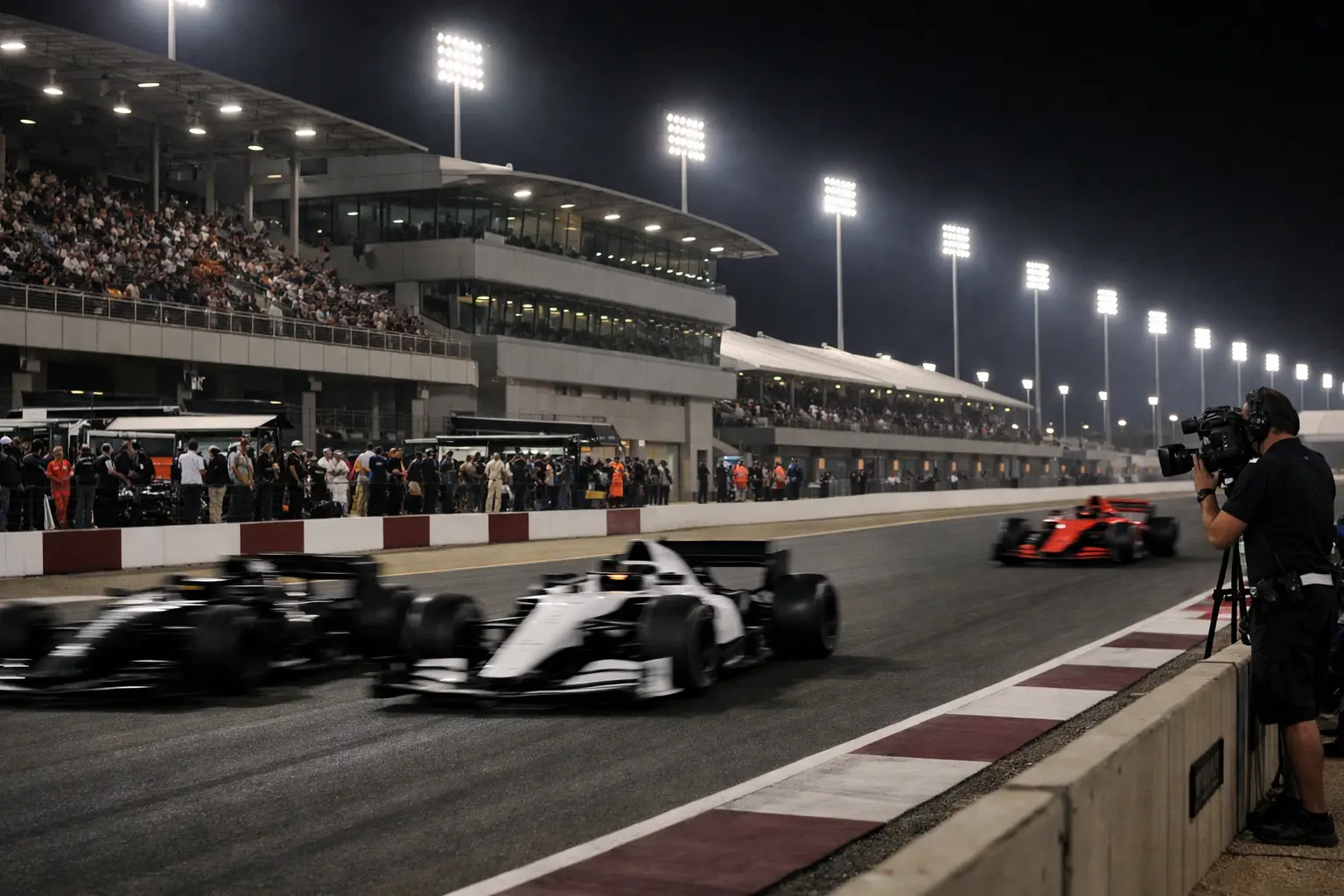









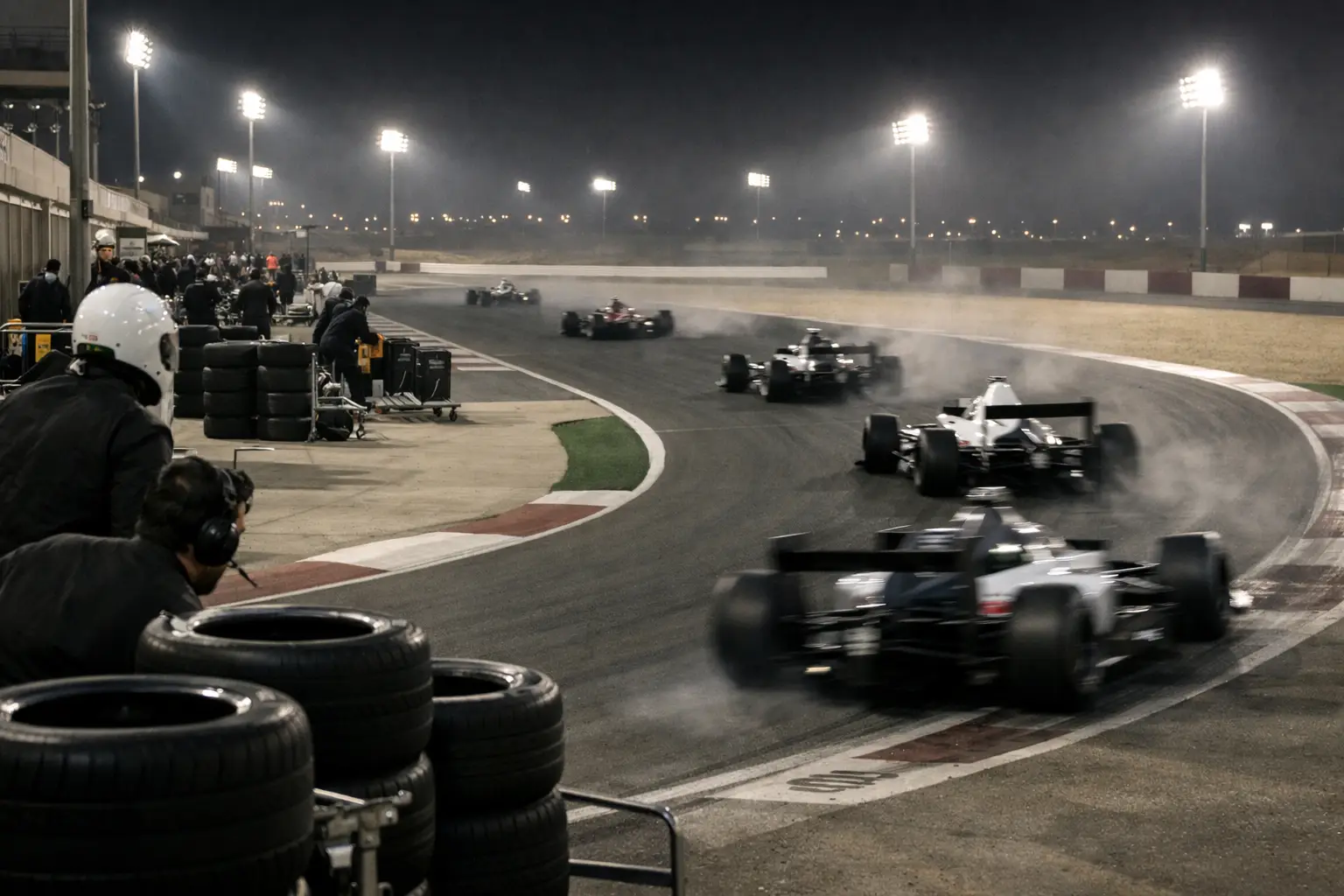
Formula 1 returns to the Middle East this weekend for the first time since pre-season testing in February, opening the final back-to-back stretch of the 2026 campaign. The Qatar Grand Prix arrives with attention not only on the closing phase of the championship, but also on how teams and drivers adapt to a tyre-limit rule that places race management at the centre of the sporting weekend.
The renewed focus on tyres gives the event a specific competitive edge. In modern Formula 1, strategy is often built around balancing outright pace with degradation, stint length and track position. A limit on tyre use reduces flexibility and can make every phase of the weekend more consequential, from practice planning to race execution. Teams must decide how aggressively to gather data while preserving enough options for qualifying and the grand prix itself.
For drivers, the rule increases the importance of precision. Managing tyre temperature, avoiding unnecessary sliding and timing attacks cleanly can all influence performance when available rubber becomes a more controlled resource. That dynamic may narrow the margin for error, particularly on a weekend that forms part of the season’s final sequence. With little room left in the calendar, any strategic miscalculation in Qatar could have an immediate impact on the final standings.
The setting adds further significance. Formula 1 last visited the region during winter testing, when teams were still assessing new packages and baseline performance. Returning now, after a full season of development, creates a very different competitive picture. The Middle East leg is no longer about preparation; it is about converting a year’s worth of work into results under tighter strategic conditions.
Qatar therefore becomes more than a late-season stop on the calendar. It is a test of adaptability at a point when teams have limited time to recover from mistakes. The tyre-limit rule will not replace speed as the decisive factor, but it can shape how that speed is used. As the 2026 campaign moves toward its conclusion, the race is set to highlight one of Formula 1’s recurring truths: performance is fastest when it is also efficiently managed.