
Shorouk Express 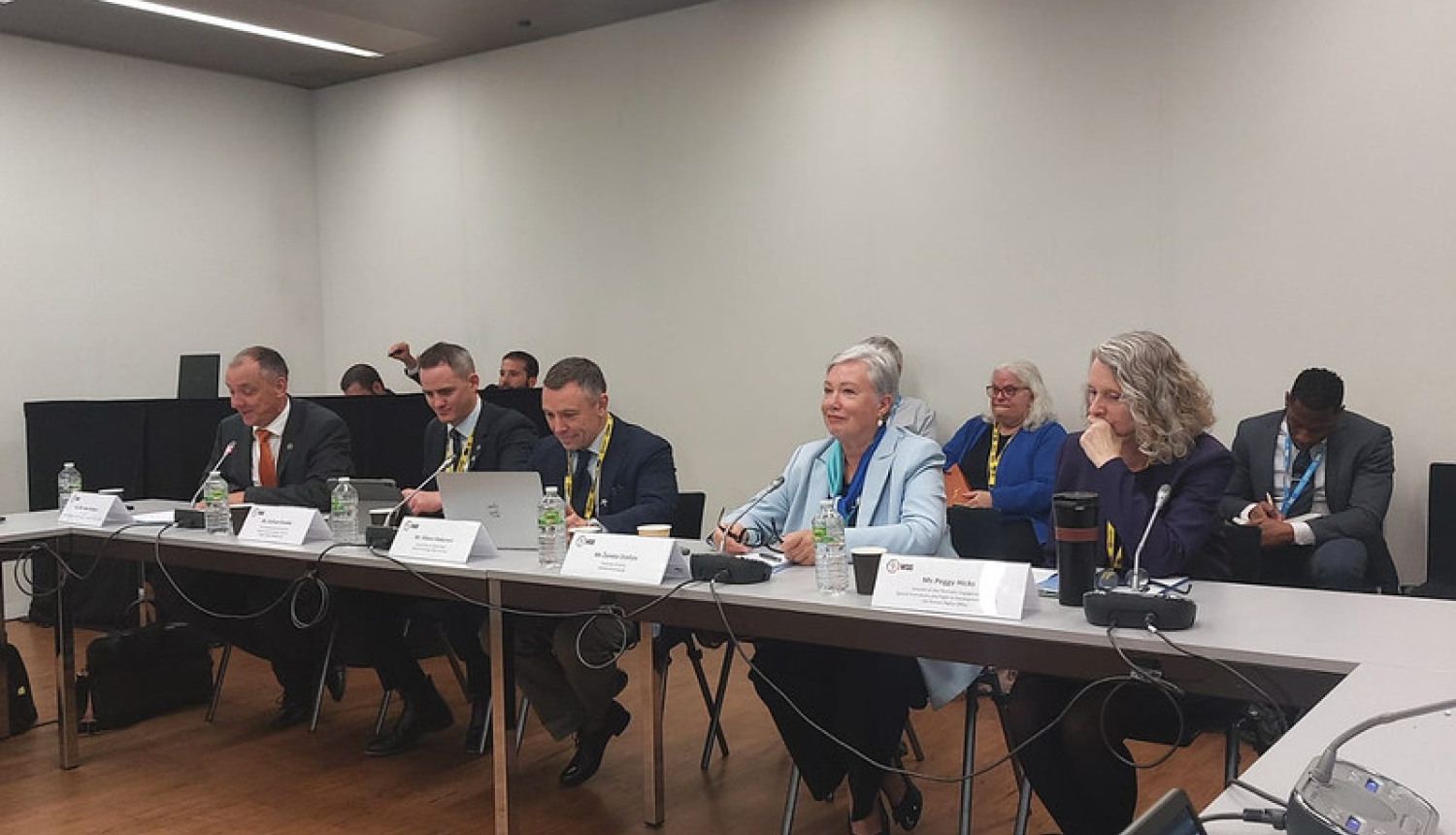
BAKU, Azerbaijan, July 11. On July 8, 2025,
Latvia hosted a high-level panel discussion titled “What
Proliferation of Artificial Intelligence Means for Information
Integrity?” during the World Summit on the Information Society
(WSIS+20) in Geneva, Trend reports.
The event, organized by Latvia as part of its public diplomacy
efforts, aimed to explore solutions for preserving information
integrity and countering manipulation in the digital age—while
upholding human rights and freedom of expression.
The discourse functioned as a conduit for Latvia to underscore
its accomplishments in mitigating disinformation and its escalating
proficiency in artificial intelligence methodologies. Global
authorities underscored the imperative for capital infusion in
digital competency, enhanced accountability from tech enterprises,
and a bolstered public comprehension of artificial intelligence
instruments.
Latvia’s strategic imperatives as a newly inducted participant in
the United Nations Security Council encompass the facilitation of
global discourse on contemporary challenges of the 21st century,
including the intricacies of cybersecurity and the multifaceted
threats associated with artificial intelligence, in conjunction
with sustainability and developmental paradigms.
The proceedings commenced with an address from Latvia’s Ambassador
to the United Nations in Geneva, Ivars Pundurs, and were presided
over by Viktors Makarovs, the Special Envoy on Digital Affairs at
the Ministry of Foreign Affairs. The hybrid-format symposium
convened an assemblage of more than 80 stakeholders from
governmental entities and civil society organizations. Makarovs
emphasized Latvia’s strategic role as a frontrunner in the global
arena for countering disinformation and reiterated its preparedness
to disseminate its specialized knowledge, particularly within the
framework of the UN Security Council.
Speakers included Septiaji Eko Nugroho, President of Indonesia’s
MAFINDO; Peggy Hicks, Director of Thematic Engagement at the UN
Human Rights Office; Graham Brookie, Vice President at the Atlantic
Council’s Digital Forensic Research Lab (DFRLab); and Professor
Žaneta Ozoliņa, who leads the “AI4Debunk” project at the University
of Latvia.
While in Geneva, Makarovs also held bilateral meetings on July
9–10 with key figures such as Irene Khan, UN Special Rapporteur on
Freedom of Expression, and Peter Major, Chair of the UN Working
Group on Data Governance. Discussions focused on freedom of
expression in the digital age, data governance frameworks, and the
broader human rights impact of AI.
On July 10, Makarovs participated in a roundtable on AI
governance at the AI for Good Summit, which brought together
leaders from academia, government, industry, and civil society to
explore AI’s role in advancing the UN Sustainable Development
Goals.
The WSIS+20 process provides a multilateral platform to address
global ICT challenges and will conclude at the UN General Assembly
in December 2025. Latvia’s panel was part of its broader public
diplomacy campaign following its election on June 3, 2025, to a
non-permanent seat on the UN Security Council for the 2026–2027
term. Latvia’s main goal during its tenure will be to reinforce an
international order that promotes national and regional security
through multilateral diplomacy.
Stay up-to-date with more news on Trend News
Agency’s WhatsApp channel