







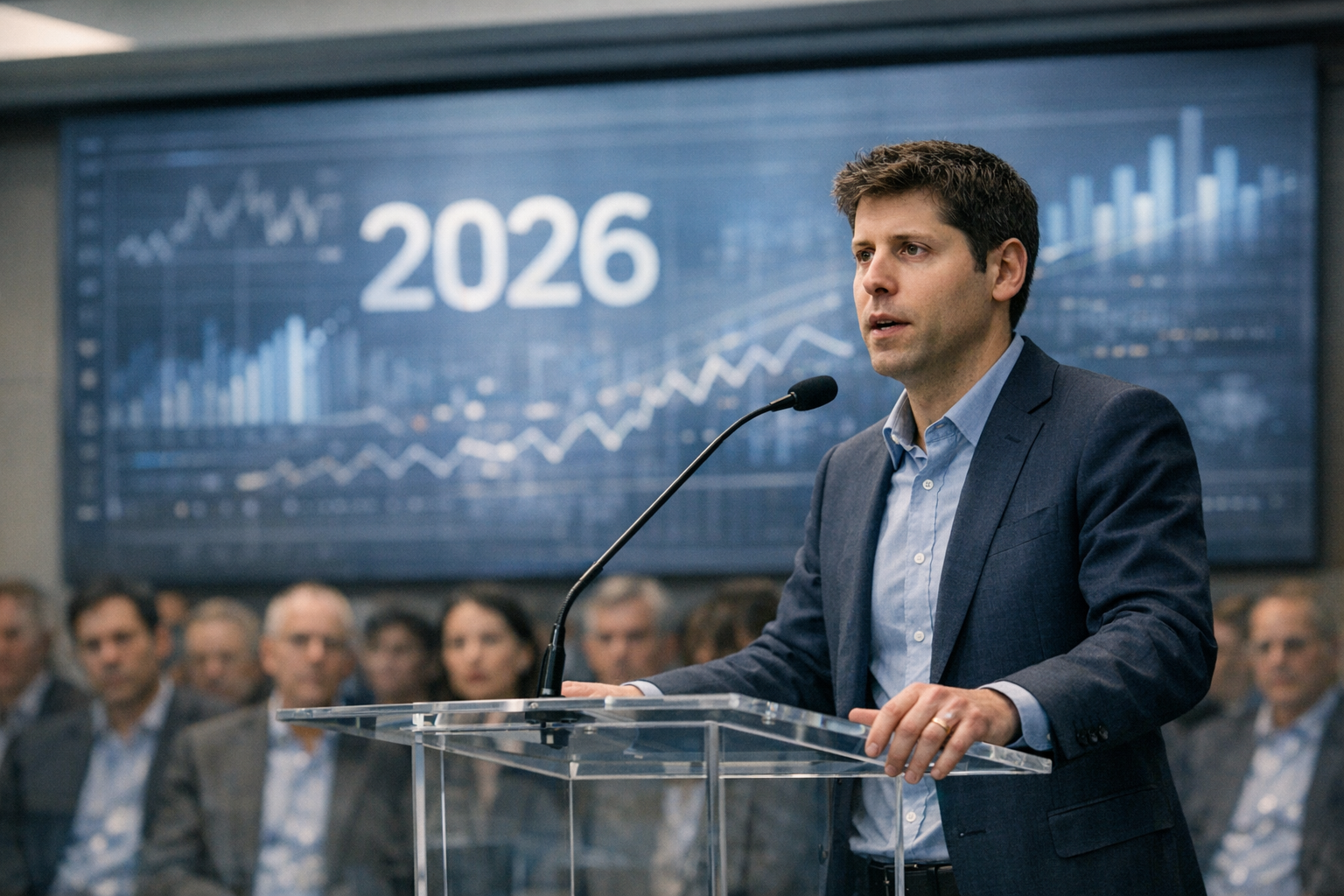
OpenAI CEO Sam Altman has ruled out a public offering for the company this year, saying the timing would be “ill-advised” amid heightened concerns about the safety and societal impact of advanced AI systems. The decision signals a pause in plans to bring the maker of ChatGPT to public markets while scrutiny from regulators, researchers and the public intensifies.
OpenAI is navigating a complex landscape in which rapid technical advances are prompting calls for clearer governance and stronger safeguards. With attention focused on potential risks from large-scale generative models, Altman’s position reflects a preference to prioritise development and risk mitigation over the immediate financial incentives of an initial public offering. The company will remain privately held while its leadership assesses when market and regulatory conditions are more conducive to a listing.
The postponement carries consequences for a range of stakeholders. Private investors and employees who expected liquidity through a public sale will need to weigh secondary market options or extended vesting horizons. For competitors and the broader technology sector, the move reduces near-term pressure to match valuations tied to a high-profile IPO, while sustaining debate about how best to balance innovation with oversight. Regulators and policymakers, meanwhile, have an opportunity to sharpen rules governing safety, transparency and accountability for powerful AI systems.
OpenAI’s decision to delay a public listing underscores how questions about safety and governance are shaping business strategy in the AI field. Although the company remains privately funded for the moment, observers will watch closely for any changes in regulatory stance, market appetite or technological developments that might prompt leadership to revisit the timing of a future IPO. The episode highlights the evolving intersection of capital markets, public interest and the governance of rapidly advancing technologies.