






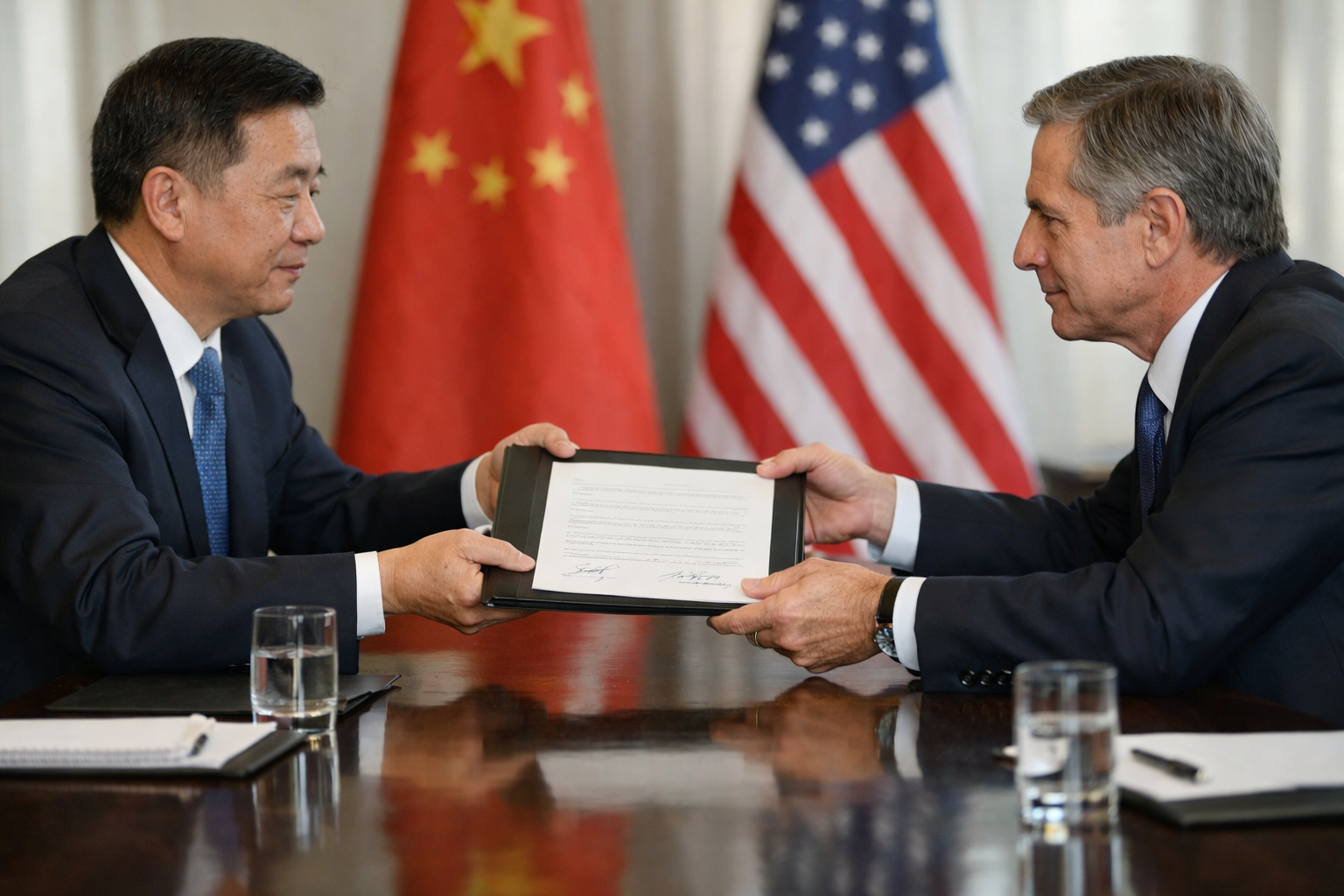
Over the past 19 months Washington’s international posture has shifted in ways that have benefited China. Policies pursued by Donald Trump and the White House—including withdrawal from major multilateral frameworks and a confrontational trade approach—have altered the terrain of diplomatic and economic competition, allowing Beijing to consolidate relationships and expand its influence.
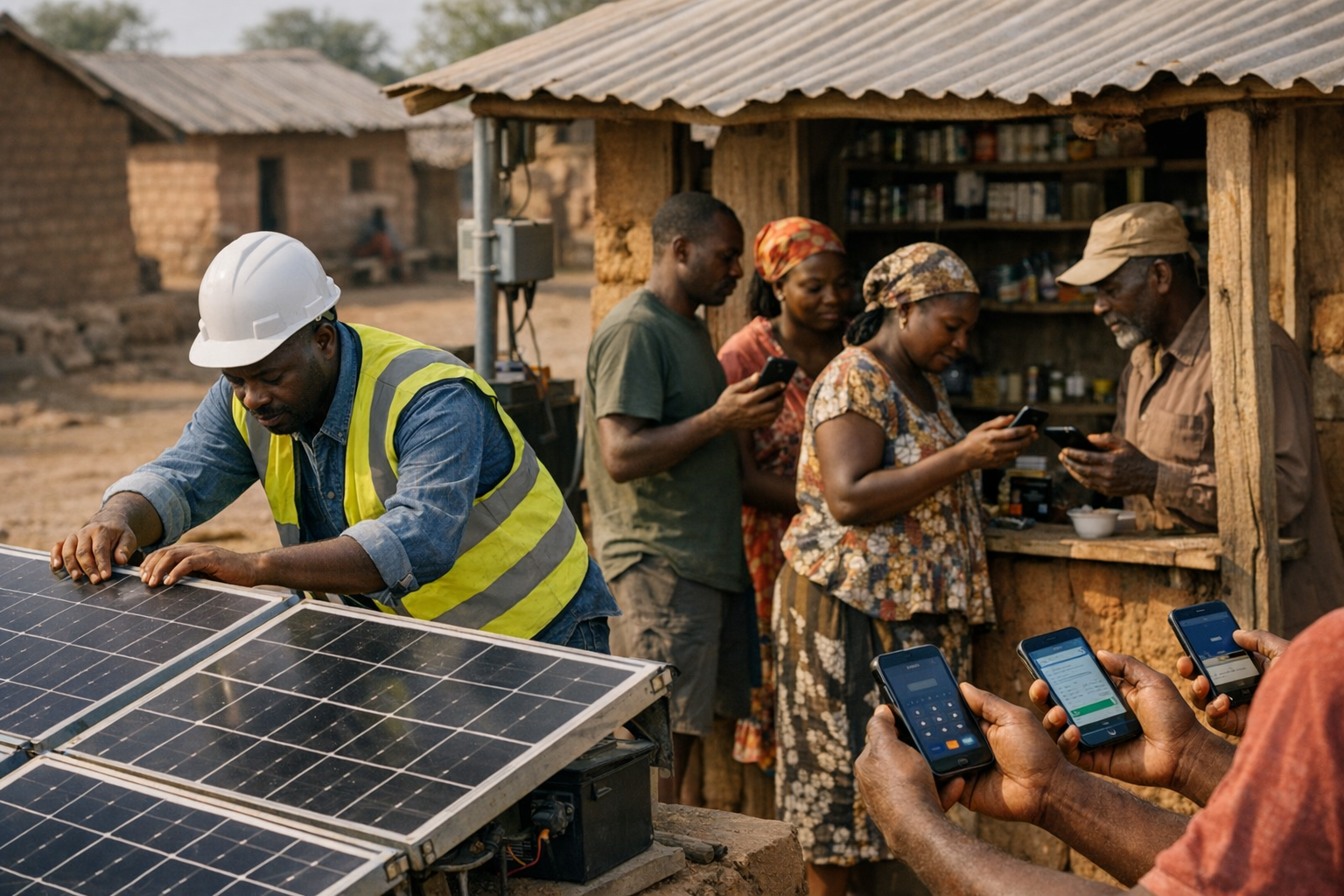
On trade and investment, the United States stepped back from long-standing regional initiatives while imposing tariffs and sanctions as tools of pressure. In contrast, Beijing deepened commercial ties through infrastructure financing and regional pacts, and promoted large-scale projects that bind governments and companies across continents. These moves have translated into new agreements and opened markets for Chinese firms, strengthening Beijing’s role in global supply chains and economic networks.
Diplomatically, China’s outreach has increased in forums where the United States has shown uneven engagement. Asian, African and Latin American partners have engaged with Beijing on infrastructure, health and technology projects, while several countries in the Asia-Pacific pursued regional economic arrangements that include China. The combination of persistent diplomacy and project-based cooperation has made Beijing a more visible partner on day-to-day governance and development issues.
The strategic implications are multifaceted. Greater Chinese presence in key regions affects alliance dynamics, trade dependencies and the architecture of international institutions. For capitals that traditionally relied on Washington for security guarantees and economic leadership, the emerging balance requires recalibration of commercial and strategic partnerships. Washington now confronts the task of rebuilding credibility and partnerships amid a more crowded field of external influences and institutional competition.