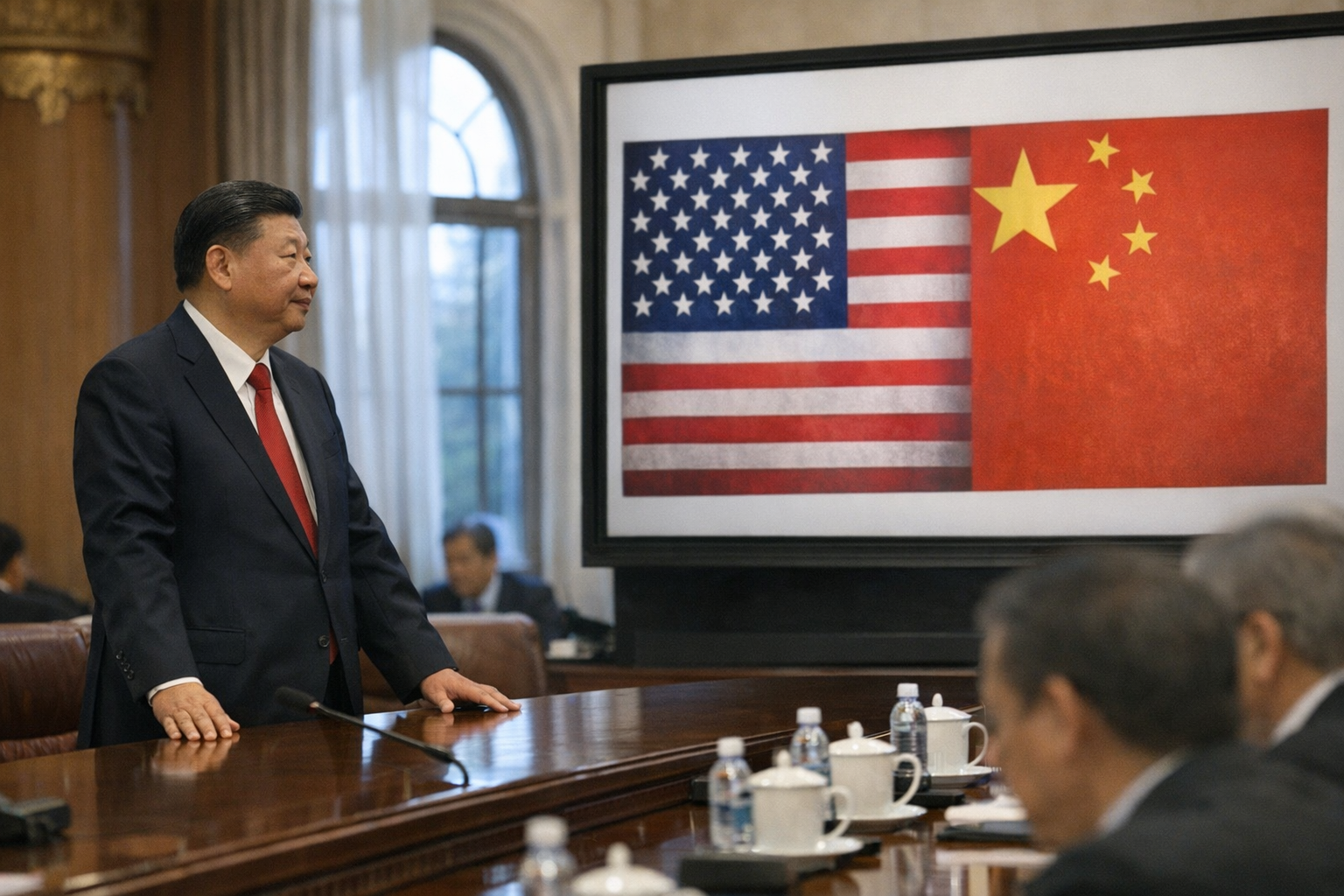



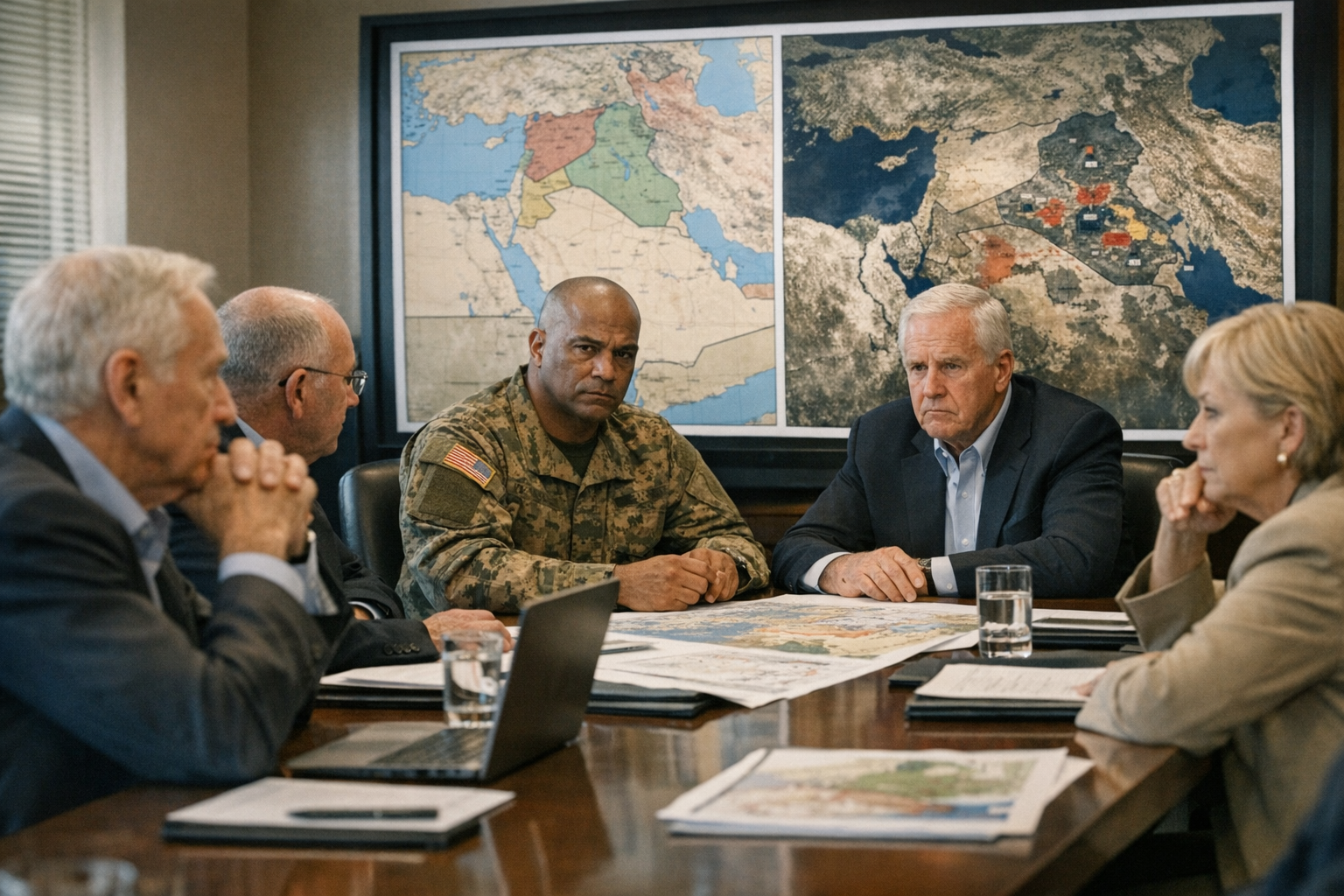
Post-midterm Washington faces a complex set of strategic choices over relations with Iran. The composition of Congress after the midterm elections will affect the executive branch’s room to maneuver, altering the balance between diplomatic, economic and military instruments available to the administration.
The range of measures historically used by Washington includes tightening economic sanctions, targeted military strikes, covert actions, and naval operations to protect shipping lanes. Past U.S. policy toward Iran has involved several of these tools: the withdrawal from the 2015 nuclear agreement in 2018, the reimposition of sanctions, and the 2020 strike that killed Revolutionary Guard commander Qasem Soleimani. These precedents illustrate how successive administrations have combined pressure on multiple fronts.
Any decision to increase pressure or use force would interact with legal and political constraints at home and with partners abroad. Congressional authority over funding and the use of force, public opinion, and the positions of allies in Europe and the region would shape both short‑term actions and longer campaigns. The administration’s communications and justification for operations would also matter for domestic legitimacy and international support. The White House and relevant agencies typically assess such factors before moving from coercive measures to kinetic options.
Escalatory steps carry clear risks: broader military confrontation in the Middle East, disruptions to commercial shipping and energy markets, and increased instability among regional proxies. Conversely, restrained diplomacy combined with enforcement of economic measures can preserve pressure without immediate kinetic escalation. In practice, the outcome will depend on the administration’s priorities, the post‑midterm political map in the United States, and reactions from Tehran and regional actors — all variables that will determine whether tensions subside or intensify.