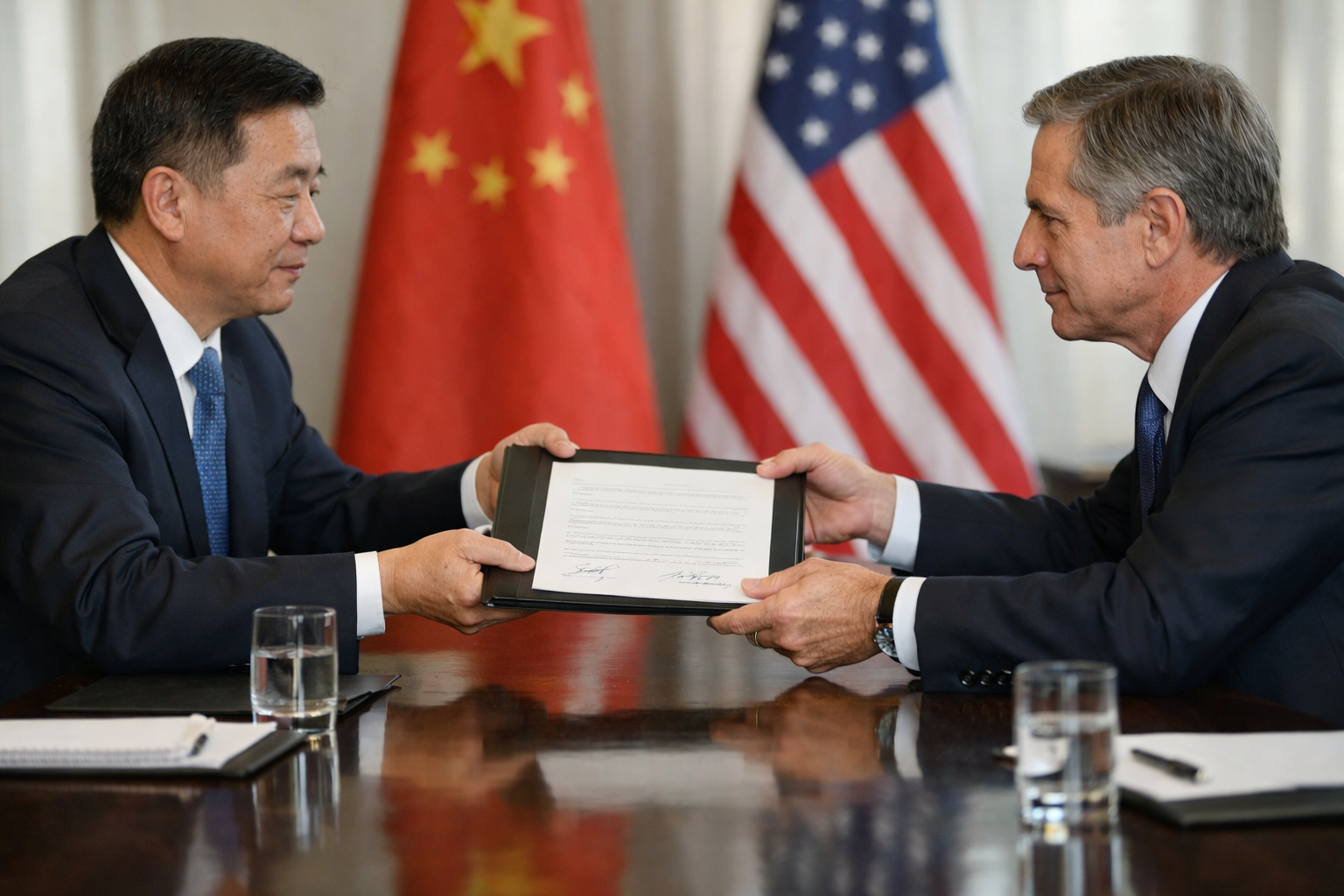


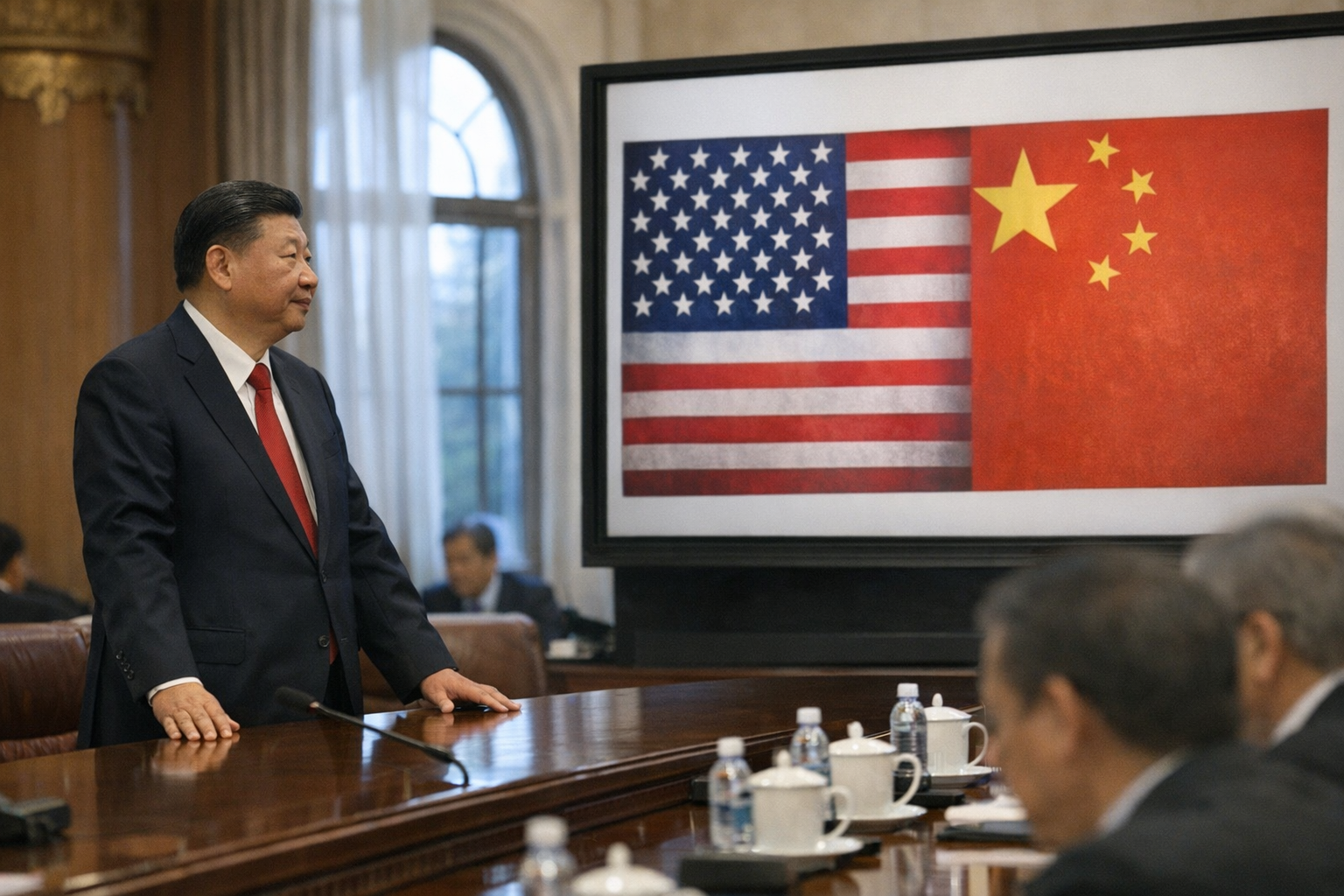
China’s leadership appears to have responded to the upheaval of U.S. policy during the Trump administration by prioritising strategic resilience over rapprochement. Actions taken by Beijing, domestic policy shifts and messaging from state institutions suggest a reassessment of how best to manage rivalry with the United States while safeguarding national priorities. The pattern of interaction between Xi Jinping and Donald Trump was marked by episodic diplomacy alongside sustained competition on trade, technology and security.
Throughout that period Washington introduced tariffs, export controls and new restrictions on key technologies; Beijing countered with reciprocal tariffs, regulatory measures and a heightened emphasis on industrial autonomy. Chinese economic strategy documents and public statements from government bodies highlighted a move toward self-reliance in critical sectors and a focus on domestic circulation as a buffer against external shocks. At the same time, official channels continued to engage periodically with the White House and other U.S. institutions to manage specific disputes, illustrating a mix of confrontation and conditional cooperation.
State media narratives and policy signals underlined protection of core interests—territorial integrity, technology access and economic stability—while Beijing avoided a complete break with global markets. The leadership’s choices included targeting specific foreign firms and tightening regulatory oversight, alongside efforts to deepen trade and investment ties with partners beyond the United States. Those moves were accompanied by sustained diplomatic outreach to regional and global actors, reflecting an intent to mitigate the economic and strategic impact of U.S. measures.
The dynamics of that era have continued to influence bilateral relations: Chinese policy has incorporated lessons on supply-chain vulnerability, technological decoupling risks and the need for diversified partnerships. Those adjustments have shaped how Beijing presents its objectives domestically and negotiates externally, and they remain a key factor in assessing interactions between China and the United States today.