






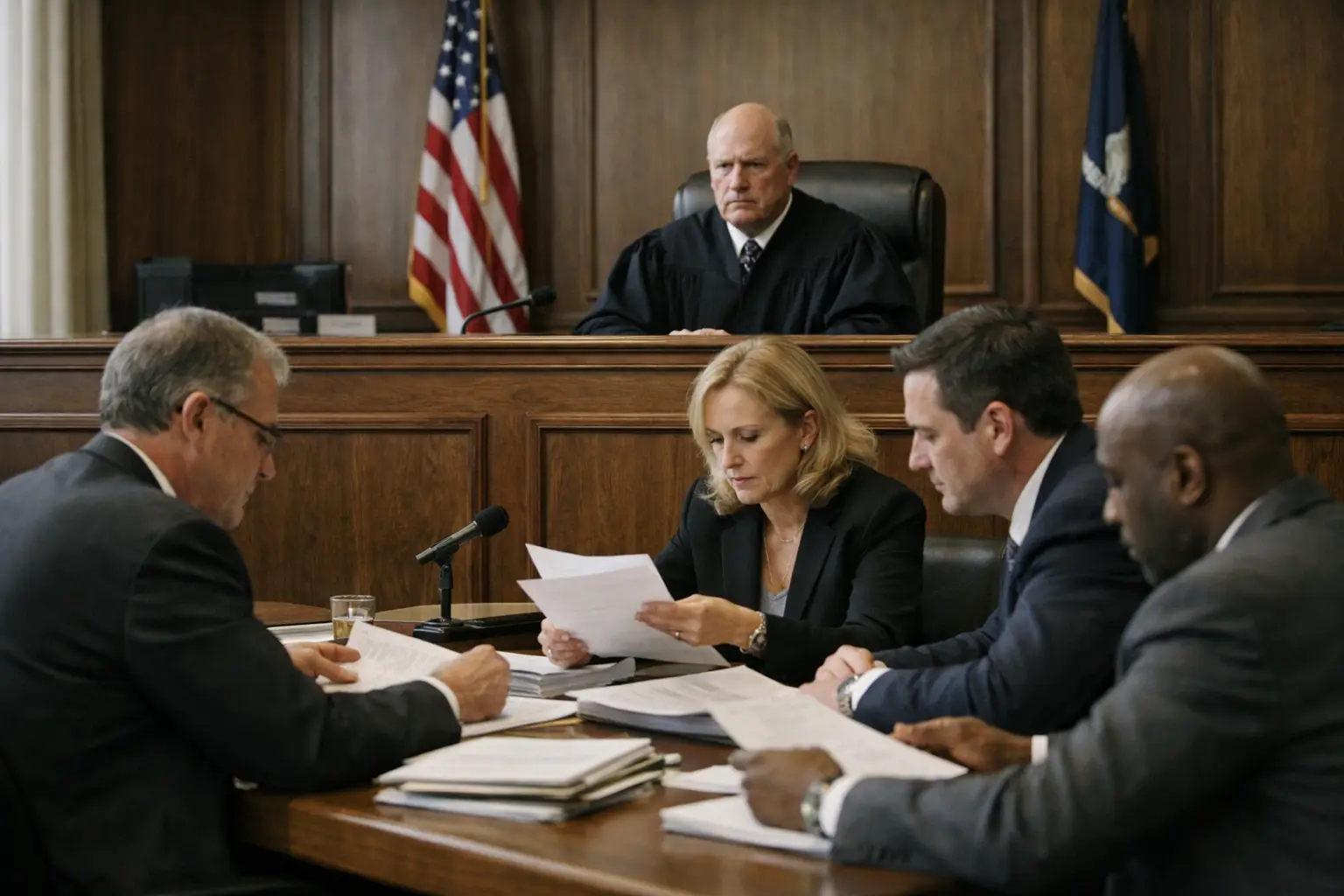
A federal judge’s order has halted a Trump administration effort to scrutinize local broadcast licenses held by ABC, marking a significant legal setback for federal regulators in a dispute centered on free speech and political pressure on the media. The ruling blocks a review of all local licenses connected to ABC-owned stations, which serve six of the largest television markets in the United States.
The case focused on actions by the Federal Communications Commission, led by Chairman Brendan Carr. The agency had opened an early examination of licenses tied to local ABC stations owned by Disney. The judge concluded that the move violated ABC’s First Amendment rights and was undertaken to satisfy Donald Trump, placing the dispute at the intersection of media regulation, presidential power and constitutional protections for broadcasters.
Broadcast licenses are central to the ability of local television stations to operate, making regulatory reviews a powerful tool in the relationship between government and media companies. In this instance, the court’s intervention prevents the FCC from proceeding with a broad review covering ABC’s owned local stations. The decision underscores that federal oversight of broadcasters remains subject to constitutional limits, especially when regulatory action is linked to the content or perceived stance of news coverage.
Disney, whose portfolio includes ABC, has framed the fight as a defense of the network’s editorial independence. Josh D’Amaro, identified as Disney’s new chief executive, said the company was resisting the review to protect ABC’s journalistic integrity and freedom of expression. “We’re very principled on this,” he said. The company’s position places the dispute beyond a routine licensing matter and into a broader debate over whether regulators can use administrative authority in ways that chill news organizations.
The ruling does not resolve every tension between broadcasters and federal regulators, but it immediately restrains the administration’s approach toward ABC’s licenses. For media companies, the decision reinforces the legal barrier against government action that targets speech. For the FCC, it is a reminder that its authority over the public airwaves must be exercised within constitutional boundaries, particularly when the agency’s decisions affect news outlets in major markets.