






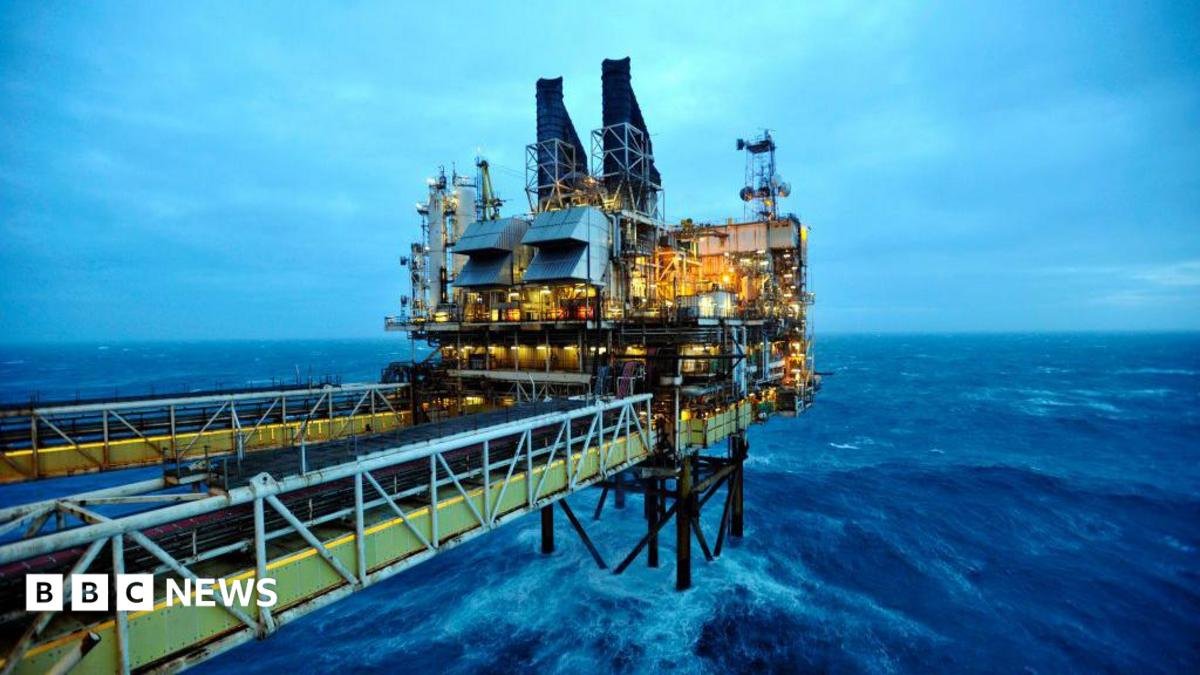
The North Sea has increasingly become a topic for political debate.
In its 2024 general election manifesto, Labour said it would not issue new licences for drilling, but would honour existing ones.
But in recent months, as the Iran war pushed up global oil prices, calls have grown for more North Sea drilling to be approved, from the Conservatives, Reform UK and from President Trump, while also becoming a divisive issue within the Labour party.
Some Labour MPs have urged the government to take a more liberal approach, warning that the transition away from oil and gas must protect jobs and the cost of energy bills.
But others have backed the government’s existing approach, arguing that expanding renewable energy is key to improving energy security and reducing the impact on climate change.
As energy secretary in Sir Keir Starmer’s government, Ed Miliband was a staunch supporter of the manifesto position. Miliband is now the foreign secretary in Burnham’s government.
Burnham himself has seemingly left the door open to future drilling. He said he told President Trump this week: “There is a resource there. When people are struggling – you can’t ignore that.”
Labour’s deputy leader Lucy Powell previously told the BBC that Burnham would stick to the party’s manifesto commitments, but there would be a “change of emphasis” on North Sea oil and gas.
Oil and gas companies have also criticised the UK’s windfall tax – the Energy Profits Levy – which they argue means the North Sea has lost some of its appeal in recent years.
The Scottish government’s energy minister, Stephen Gethins, said the decision would cause uncertainty for workers.
“Scotland’s future prosperity – and our contribution to energy security – are reliant on North Sea energy production and, crucially, the skills and experience of that workforce,” he said.
Reserved policies – such as the Energy Profits Levy – were driving an accelerated decline of North Sea oil and gas before renewables were fully ready to meet energy needs, Gethins added.
The Scottish Conservatives’ energy spokesman, Andrew Bowie MP, called on the Labour government at Westminster to approve the Jackdaw and Rosebank offshore sites and cancel plans to ban new licences in the North Sea. He also called for the Energy Profits Levy to be scrapped.
Reform MSP Duncan Massey said 1,100 workers faced uncertainty with the BP sale, adding politicians should not put ideology ahead of jobs and economic reality.
The Scottish Greens said 80% of the oil from the North Sea was shipped overseas, therefore it was “doing very little to improve our energy security”.
Source:
www.bbc.co.uk