





Over the past year, I’ve reported about crimes against farmworkers who have come to the U.S. legally from Mexico and Central America. I haven’t stopped thinking about how they suffered. Their wages were stolen, guns were pointed in their faces, and one woman I met was held captive, raped and nearly killed.
Replay
As I wrote those stories, there was something else I couldn’t stop thinking about — something I keep thinking about: Whenever I go to the grocery store, I have no easy way of knowing if the fruits and vegetables I put in my cart are part of the problem I’ve documented.
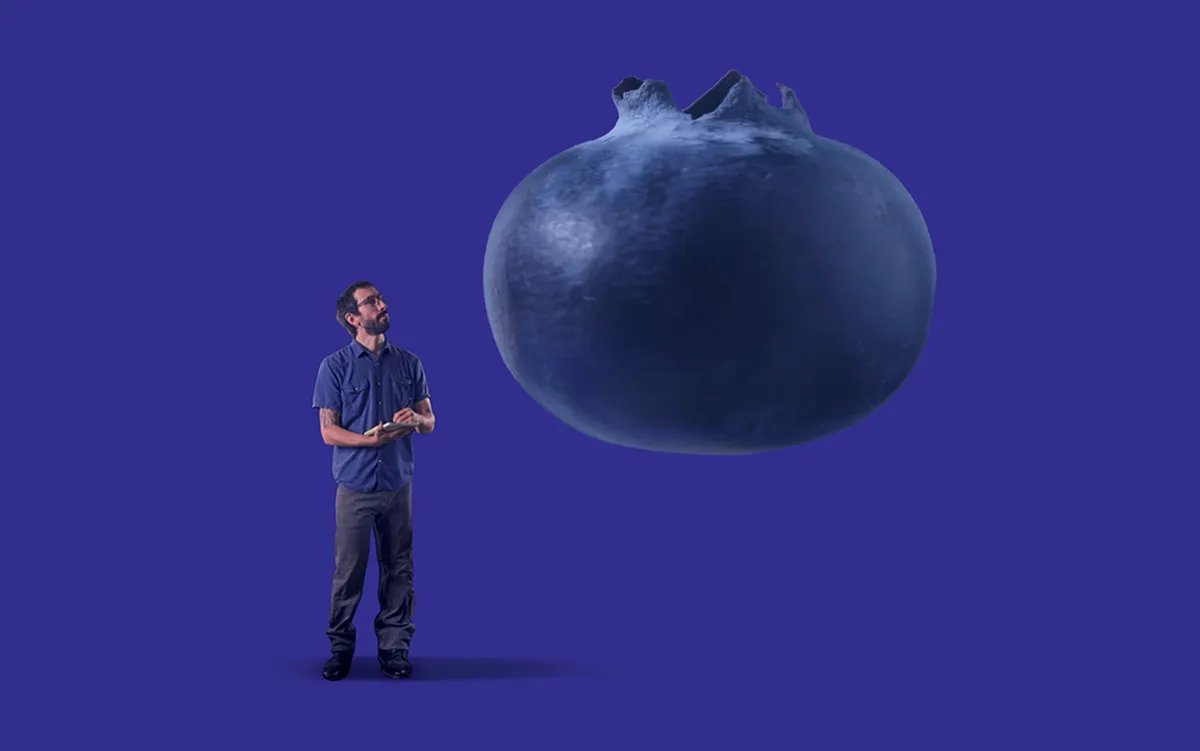
I eat a lot of blueberries, which happen to be the fruit grown most in the state where I live, Georgia, and the state where I tracked these abuses. During the long drives back and forth between my home in Atlanta and my reporting trips in the rural South, I had a lot of time to consider how little we know about the farms that feed us.
I struggled with the disconnect between the problems on America’s farms and the limited awareness of those problems in most American households. I felt that disconnect in my own kitchen, every time I reached for the berries in my fridge.
I wanted to know: With enough digging, would it be possible to determine if the blueberries I’m buying come from farms with a record of mistreating workers?

Federal regulators don’t require blueberry brands to disclose on their packaging any information about the individual farms they buy from. So I had to spend time — a lot of time — trying to figure that out.
I started by looking at labels on the blueberry pints in my grocery stores.
I snapped photos. I researched the brands. I read government records.
Max Blau/ProPublica
If you look closely, you’ll see that the pints often list the state where the berries are grown or the city they’re distributed from. But not the farm itself.
As it turns out, the pints sold by a specific brand aren’t always sourced to a single farm. To keep up with demand, and to help keep prices low, brands buy berries from a whole bunch of farms and sell them under a single label.
That makes it even harder to know if the berries you’re buying come from farms where workers were harmed.
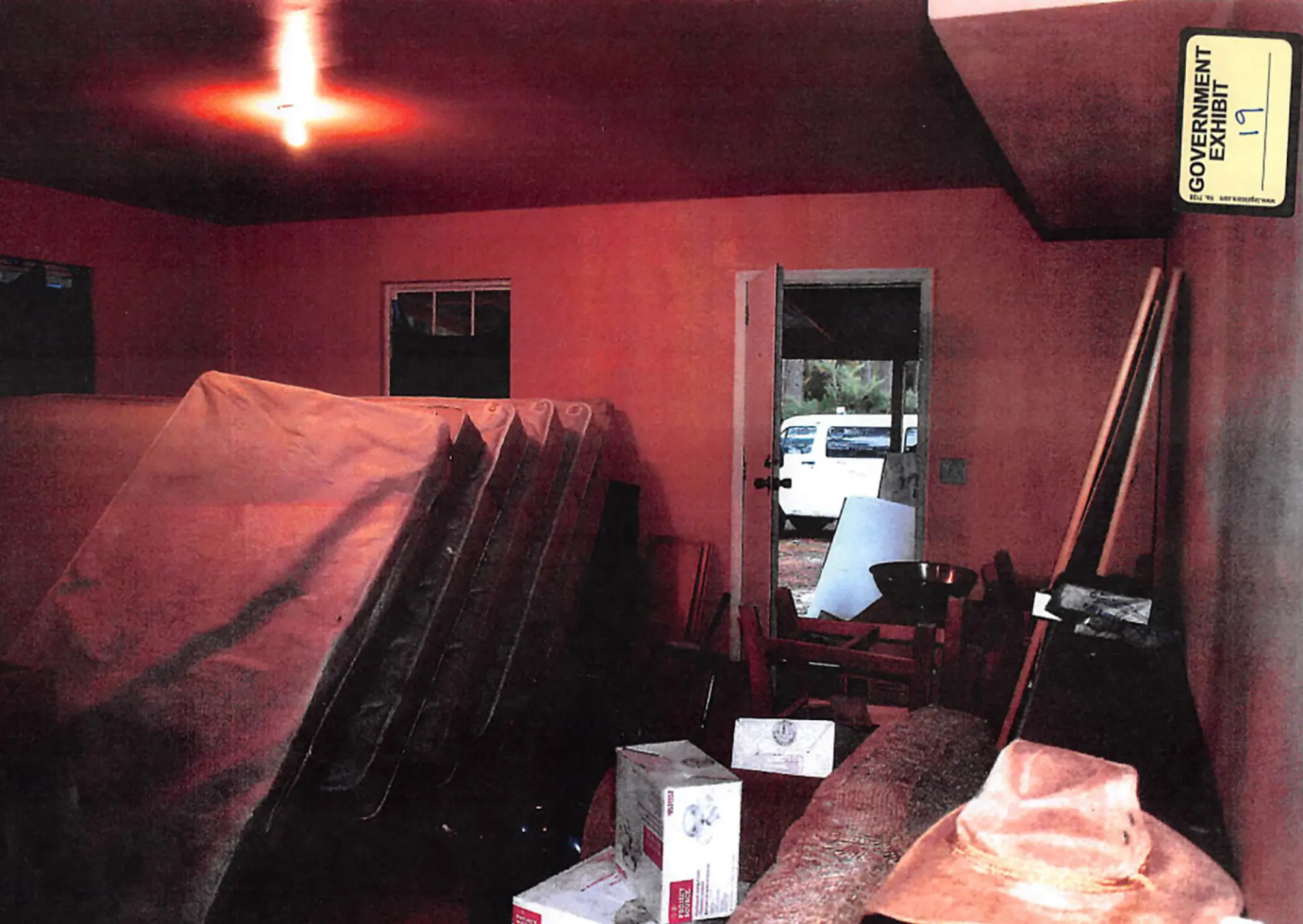
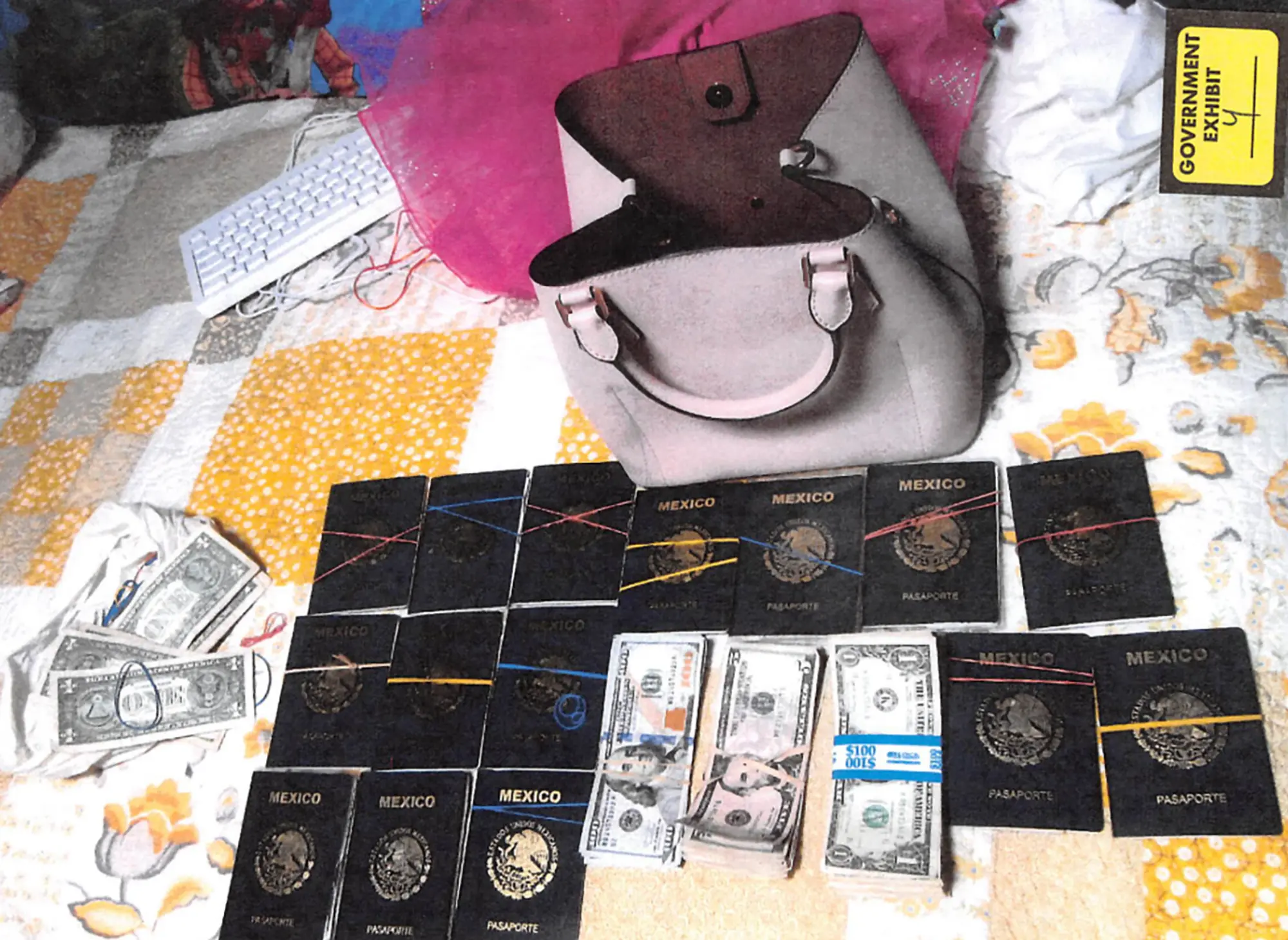
I was able to trace one brand’s berries back from my grocery store to an individual farm. I’m not going to name that brand, though, because its practices are hardly unique. Sure enough, I found that the brand did buy berries from a farm that had hired a labor contractor, and that contractor was responsible for some of the abuses in one of America’s largest labor trafficking prosecutions.
Replay
That case, which I wrote about at length, revealed that thousands of foreign farmworkers had been illegally charged fees by labor contractors to work in the U.S. Some were forced to pick crops for little to no pay in what prosecutors described as a form of modern-day slavery.
This wasn’t the first case of the abuse of farmworkers at the hands of labor contractors. Or the last. Many of these harms might have been prevented if the workers had received the protections they were promised by the U.S. government. And there have been no substantial reforms to address the abuses, either.
The reason contractors exist in the first place is because farmers struggle to find workers in the U.S.
Many farmers speak only English. So they end up hiring contractors to bring foreign laborers to the U.S. and oversee their work.
That outsourcing can shield farmers from responsibility for — or even awareness of — harm against their workers.
Labor regulators have repeatedly failed to make sure that contractors do what the government requires them to do: keep workers safe and pay them what they’re promised.
Many farmers, brands and grocers were reluctant to talk to me about these abuses. I spoke with experts to see if there are ways for consumers to know if the people picking their blueberries are being mistreated.
Replay
Those experts, who study farm labor conditions and food supply chains, said the gold standard for preventing worker abuse is the Fair Food Program. Under the program, supermarkets and other corporate buyers commit to paying a little more for produce — a cost so negligible, at a few pennies per pound, that one expert said it shouldn’t drive up prices.
For those few pennies, grocers get crops from farms that offer their workers stronger protections.
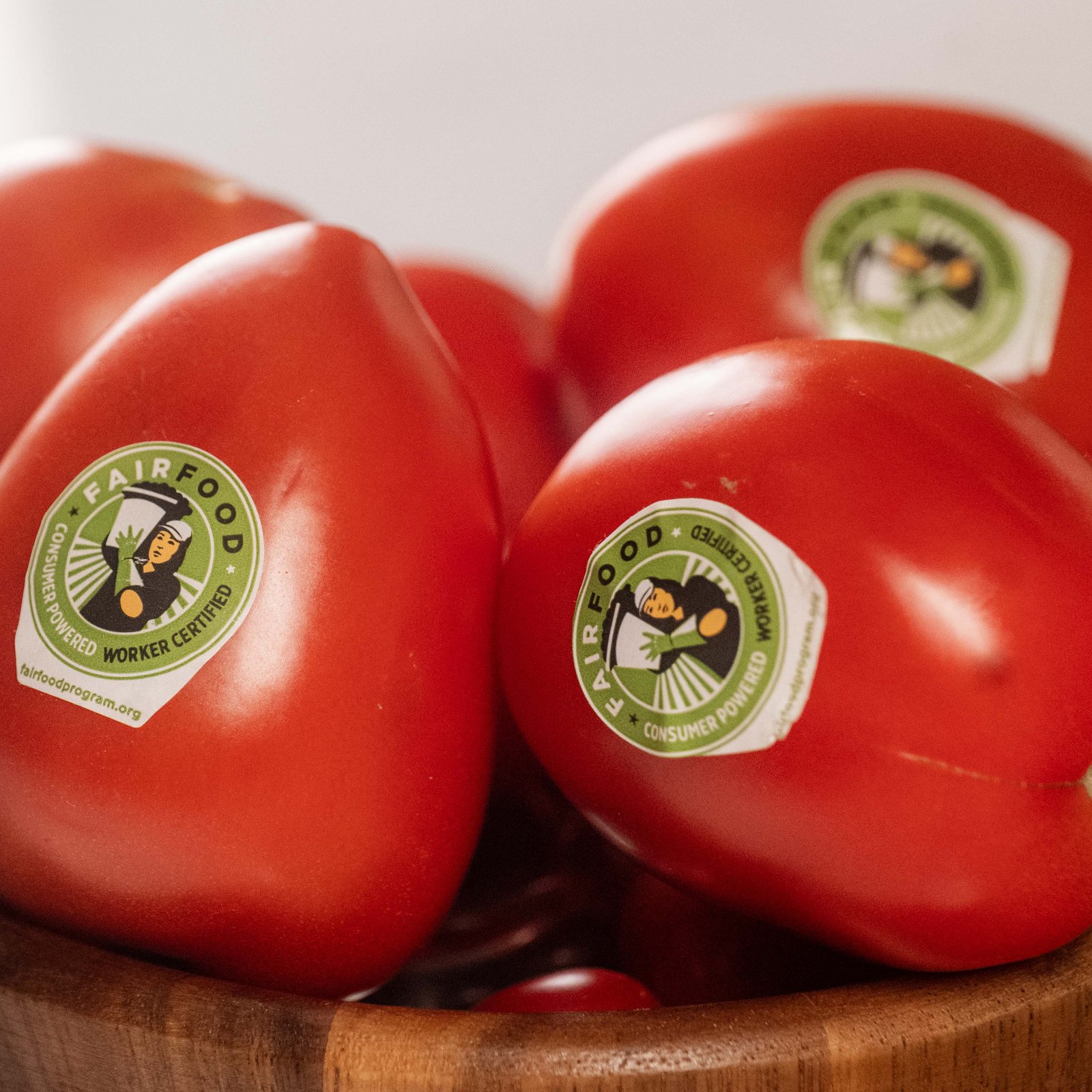
Fruits and vegetables from those farms are labeled with a green sticker of a woman holding a basket of tomatoes. The stickers give consumers like me a clear indication that the workers who picked that produce were treated fairly.
When I’ve found these tomatoes in my grocery stores, they don’t cost measurably more than others without the label.
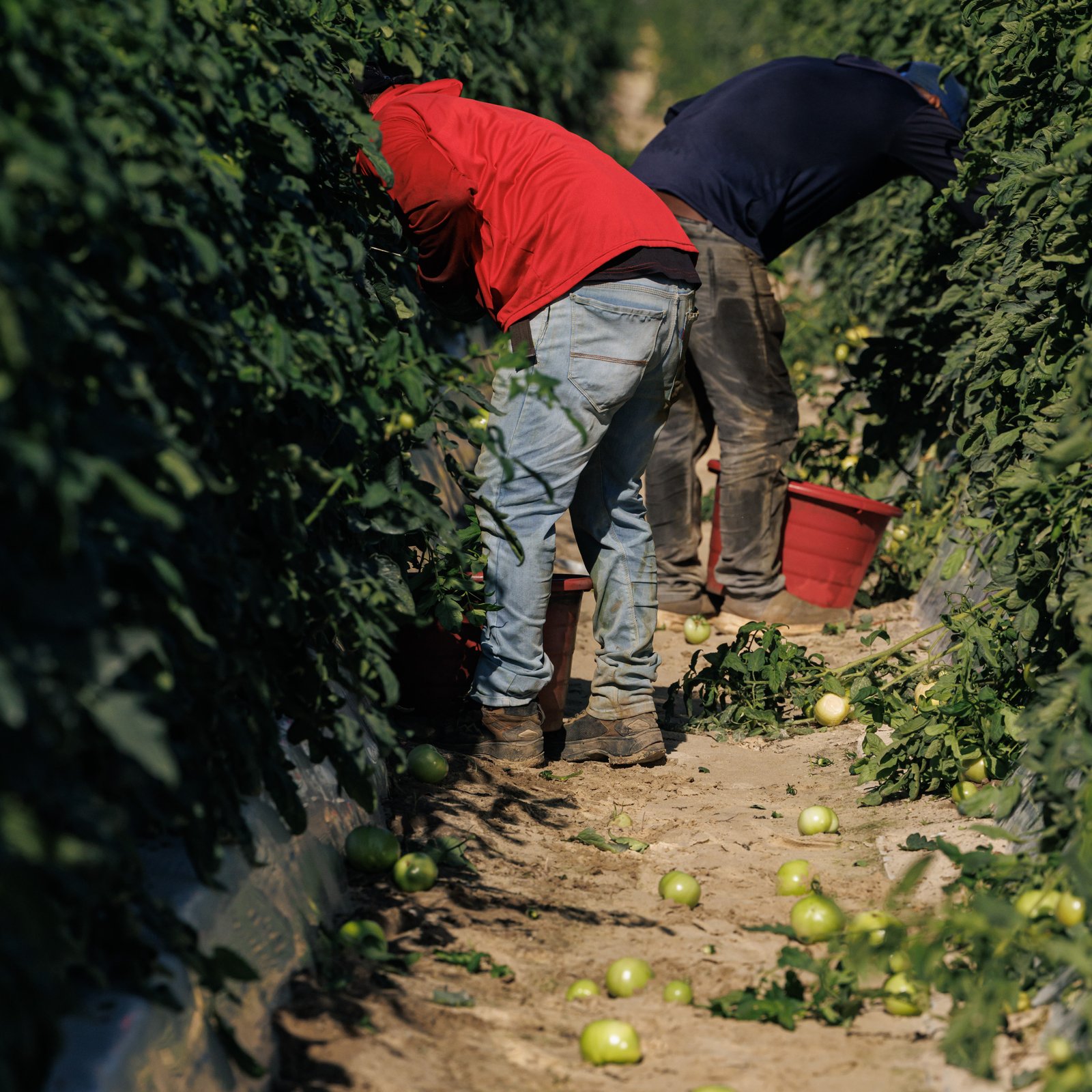
Dozens of farms have signed on to the Fair Food Program, and participation in it has been shown to prevent abuse in the fields.
But only a few small blueberry farms participate in the program.
Until that or something else changes, consumers will know virtually nothing about the farms their blueberries come from. And they won’t be able to make choices that could make a difference in the lives of the people who pick them.
ProPublica reached out to more than 75 blueberry brands, grocery stores, fast-food chains, farmers, trade groups and labor contractors over the course of reporting this series.
Only one brand responded. Dole wrote in a statement that it requires contract farmers to comply with labor laws to protect “worker welfare.” Dole added it can trace berries back to the farms where they came from but that it has not made that information available to consumers.
ProPublica also reached out to over 30 of America’s largest grocery and fast-food chains to ask why they haven’t joined the Fair Food Program or expanded their limited participation. None of the companies answered questions about the program.
Over two dozen trade groups declined to talk about why so few farmers participate in the program. Some have opposed efforts by regulators to enact protections like the ones that the program requires. They said the changes would “burden the whole industry for a few bad apples” who disregarded the rights of workers.
Source:
projects.propublica.org