






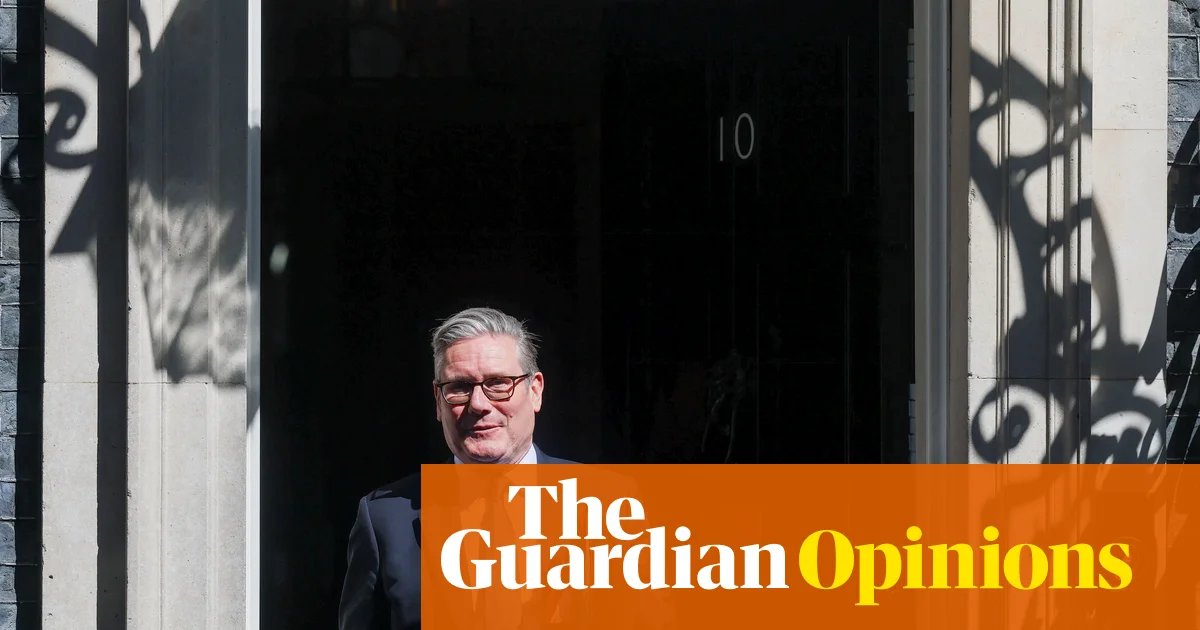
It is unlikely that events this week at the foreign affairs select committee will deliver a knockout blow to Sir Keir Starmer over his appointment of Peter Mandelson as Britain’s US ambassador. Westminster will instead see a stress test, forcing competing versions of events into the open – a risk for Downing Street if the story crystallises unfavourably. The first witness will be Sir Philip Barton, the former top civil servant at the Foreign Office, who is said to have had reservations about giving Lord Mandelson the job. He was in post when the prime minister announced the peer’s appointment. His evidence could be crucial.
Sir Keir told MPs last week that “no pressure existed whatsoever”. The emphatic “whatsoever” has put him in difficulty. He is already qualifying it, arguing that pushing for speed is not pressure. If Sir Philip names those who applied pressure – and this affected the Foreign Office’s decision – Sir Keir would be in hot water. He might avoid a Commons privileges inquiry, but the public would see him as slippery. The prime minister’s former chief of staff Morgan McSweeney reportedly told Sir Philip to “just fucking approve it”. Mr McSweeney’s evidence will hinge on whether he issues a categorical denial or a partial concession. Smart money is on the former.
Contrasting accounts may expose further inconsistencies. Last week Sir Olly Robbins – who succeeded Sir Philip and was dismissed after the prime minister concluded that he had not told him of vetting red flags – gave evidence. He was followed by Cat Little, the head civil servant in the Cabinet Office. While both agreed on how the system is supposed to work, Ms Little said that there were no records explaining Sir Olly’s decision to clear Lord Mandelson with “mitigations”. There is also an unresolved dispute over whether the Cabinet Office or Foreign Office pushed for security checks. Ms Little’s revelation that Sir Olly directly refused to share the vetting documents with her was arguably the most damning part of her testimony.
The key figure is Ian Collard, the Foreign Office’s head of security, who briefed Sir Olly on the assessment of the peer’s vetting. Yet he will not attend in person, instead providing a written statement. Did he describe the Mandelson case as “borderline” or as effectively denying clearance? What did he tell his boss, and why were mitigations considered sufficient? It seems bizarre for the one person with first-hand knowledge not to be questioned – at least for now.
The narrative from Tuesday’s session could be bad for Downing Street. If Sir Philip describes sustained pressure from No 10, Mr McSweeney concedes that escalating urgency was communicated to the Foreign Office and Mr Collard says that the vetting was not clear-cut, the story would be that Sir Olly approved Lord Mandelson despite knowing the risks, under political heat. This would reinforce the “scapegoat” narrative and shift responsibility back to the prime minister.
Whatever is said, voters are aware that Sir Keir has admitted a “mistake” in appointing Lord Mandelson despite knowing that he maintained a friendship with Jeffrey Epstein after the financier was convicted for child sexual abuse offences. Darren Jones, the prime minister’s chief secretary, claimed to the BBC that this settled the matter. But while the prime minister treats it as closed, many – including within the cabinet and on the Labour backbenches – see it as ongoing, and about his judgment.
Source:
www.theguardian.com