








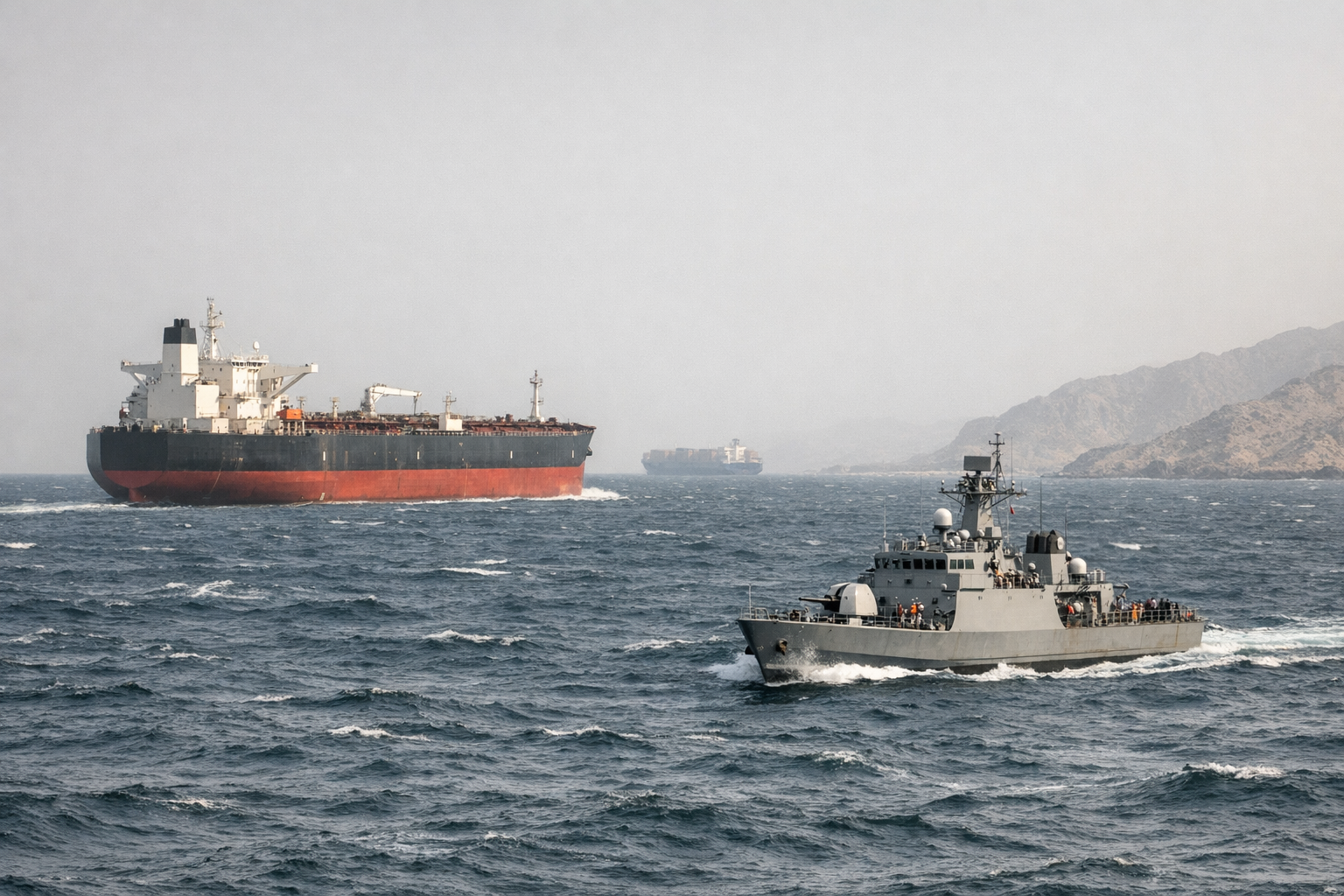
Conflicting political narratives surrounding the Strait of Hormuz are aggravating operational uncertainty for commercial shipping and naval planners. The narrow waterway remains a strategic chokepoint for global energy flows, and when public statements from high‑profile political figures diverge from on‑the‑ground advisories, industry actors say they face harder choices about routing, protective measures and insurance coverage. References to comments by Donald Trump have featured in public debate, contributing to a patchwork of messages that companies, navies and regulators must interpret in real time.
Shipowners, charterers and insurers routinely react to geopolitical tension by reassessing risk and, in some cases, altering voyage plans. Underwriters typically adjust premiums to reflect perceived danger, while operators weigh the delays and costs of longer detours against the hazards of transiting contested waters. Maritime service providers and classification societies maintain guidance for crews but stress that commercial decisions also hinge on consistent information from authorities and clear rules of engagement for naval forces patrolling the corridor.
International bodies and coastal states play a continuing role in reducing ambiguity. The International Maritime Organization has long emphasised safety of navigation and the need for predictable maritime rules. Regional powers including Iran and the United States remain central to any de‑escalation, as their naval presence, diplomatic statements and security arrangements shape the calculus of commercial mariners and insurers. Observers note that coordinated, factual communication from governments and international institutions helps reduce the scope for misinterpretation that can lead to costly defensive measures.
The practical consequences extend beyond shipping lines. Disrupted flows through the strait can reverberate in global trade and energy markets, amplifying price volatility and supply concerns. Industry stakeholders and maritime authorities therefore recommend clearer, consistent advisories and better alignment between political rhetoric and operational guidance, so that vessels and insurers can make decisions based on verifiable conditions rather than fragmented narratives.