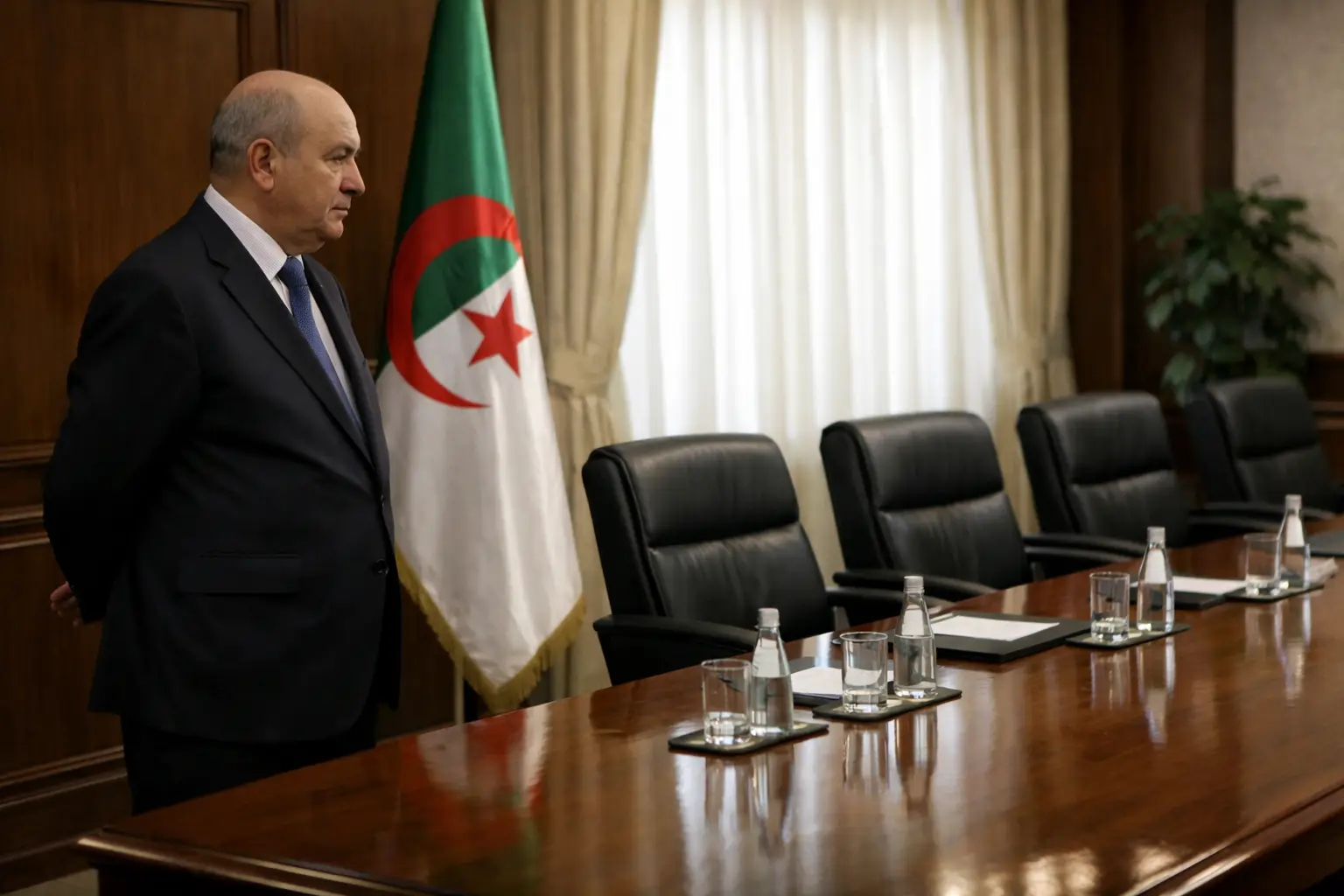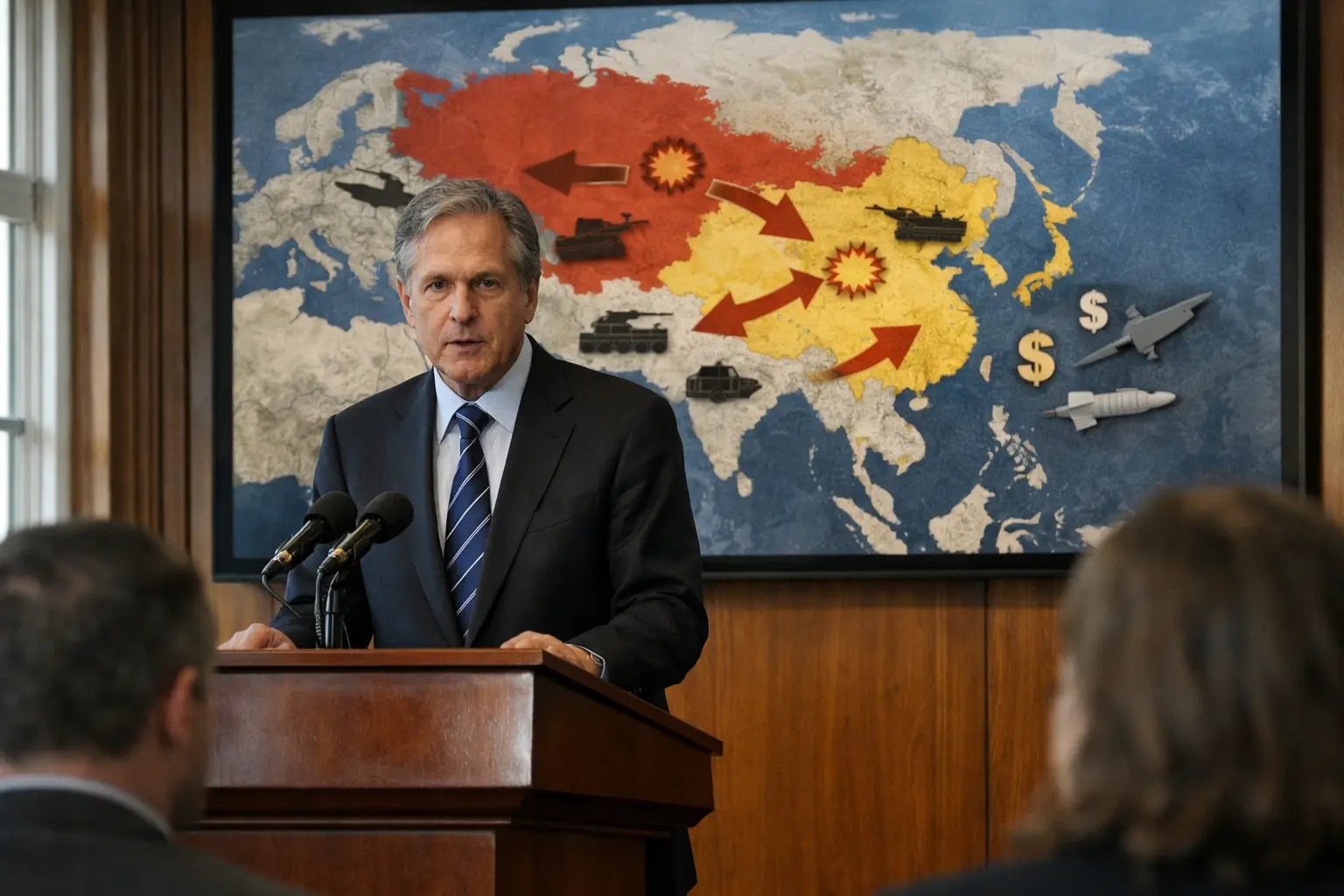








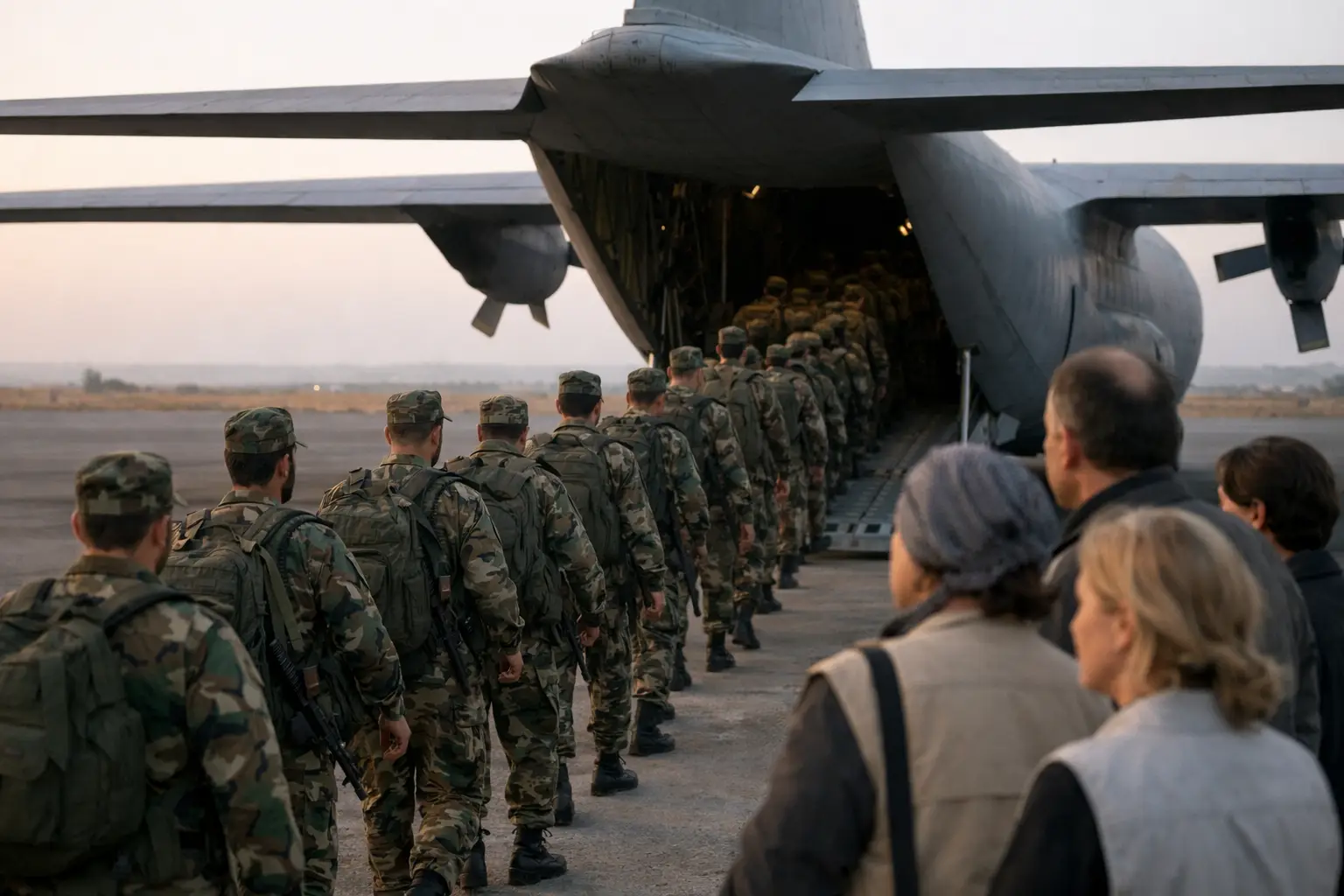
Diplomatic proposals to involve Syrian personnel in the conflict in Yemen have resurfaced in recent debates, prompting concern about the wider implications for the Levant and the Arabian Peninsula. Advocates argue such deployments might strengthen allied positions in Yemen, but observers stress the move would carry risks for the internal balance in Syria and for efforts to stabilise the war-torn country. The proposal places Washington and Riyadh at the centre of a difficult calculation between short-term military objectives and longer-term regional order.
The Syrian state continues to recover from more than a decade of conflict: governance institutions, public services and reconstruction needs remain uneven across territory. Any commitment to external missions would draw on limited manpower and logistical capacity at a delicate moment for post-conflict recovery. Deploying units abroad could also affect displaced populations, the return of refugees and the reconstruction financing that international partners are weighing.
From a political perspective, sending forces from Damascus to fight in another country would alter incentives for local actors. The move could be read as a form of external legitimisation of the Syrian government, with possible repercussions for domestic opposition and for negotiation dynamics with regional patrons. It could also complicate the posture of external backers with interests in Syria and Yemen, and create new vectors for escalation if combatants are redeployed across theatres.
The humanitarian and diplomatic consequences are equally significant. Military redeployments risk diverting attention and resources from aid delivery and from ongoing conflict-resolution efforts in both countries. They may harden positions that have so far allowed limited ceasefires and humanitarian access, and could feed narratives that make de-escalation harder to achieve. Policymakers face a constrained set of choices: any decision to transfer Syrian forces to Yemen would ripple through reconstruction, diplomacy and humanitarian corridors, reshaping an already fragile regional equilibrium.