






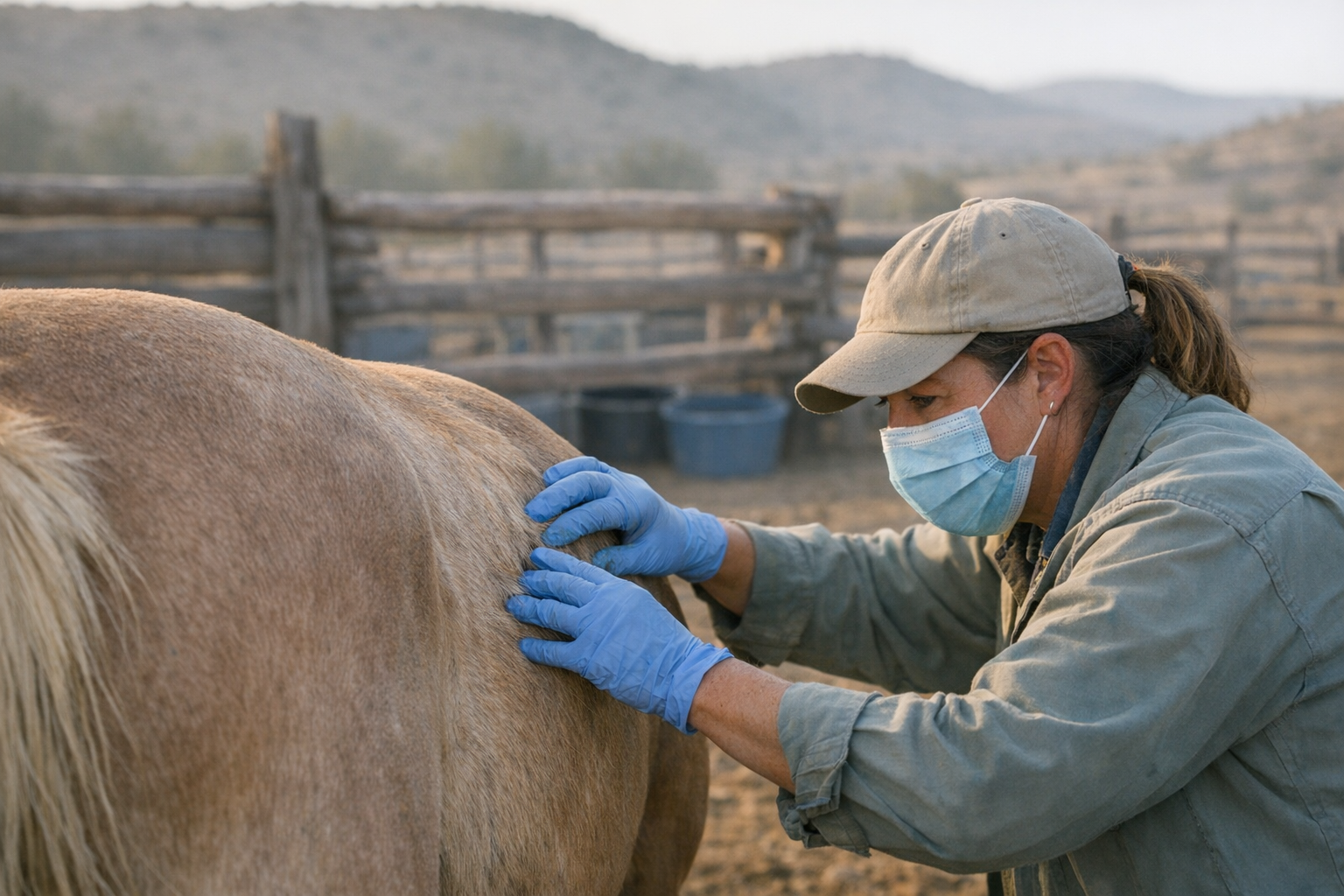
New World screwworm was confirmed in a horse in New Mexico on Thursday, state officials said, with the animal located in Grant County near the border with Mexico. The detection came days before the state was due to resume livestock imports from across the border, a timetable announced earlier by agricultural authorities. The case was reported by the New Mexico Department of Agriculture, which identified the presence of the parasitic fly that causes myiasis in warm-blooded animals.
The New World screwworm (Cochliomyia hominivorax) is a species whose larvae consume living tissue in wounds and body orifices, posing a serious threat to livestock health when outbreaks occur. While routine veterinary care and timely wound management reduce risk, detections prompt heightened surveillance because infestations can spread quickly in susceptible herds and cause significant animal suffering and economic losses in affected operations.
The timing of this confirmation intersects with plans to reopen cross-border trade in animals, a move aimed at restoring commerce and supply chains for ranchers and processors. Industry stakeholders and regulators typically monitor disease indicators closely when trade resumes; an active detection of a regulated pest can influence inspection protocols, movement controls and diagnostic testing at entry points. State officials have not announced changes to the import schedule but the confirmation is likely to draw attention from both producers and federal partners involved in animal health oversight.
Historically, New World screwworm has been driven from large areas of the United States through coordinated eradication programs, making contemporary detections notable events for animal health authorities. The Department of Agriculture’s announcement underscores the role of continued monitoring and rapid identification in managing threats that can affect livestock welfare and commerce. Further public updates are expected as tests are completed and any necessary containment or tracing measures are determined by the agencies involved.