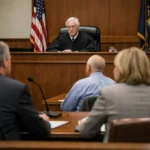





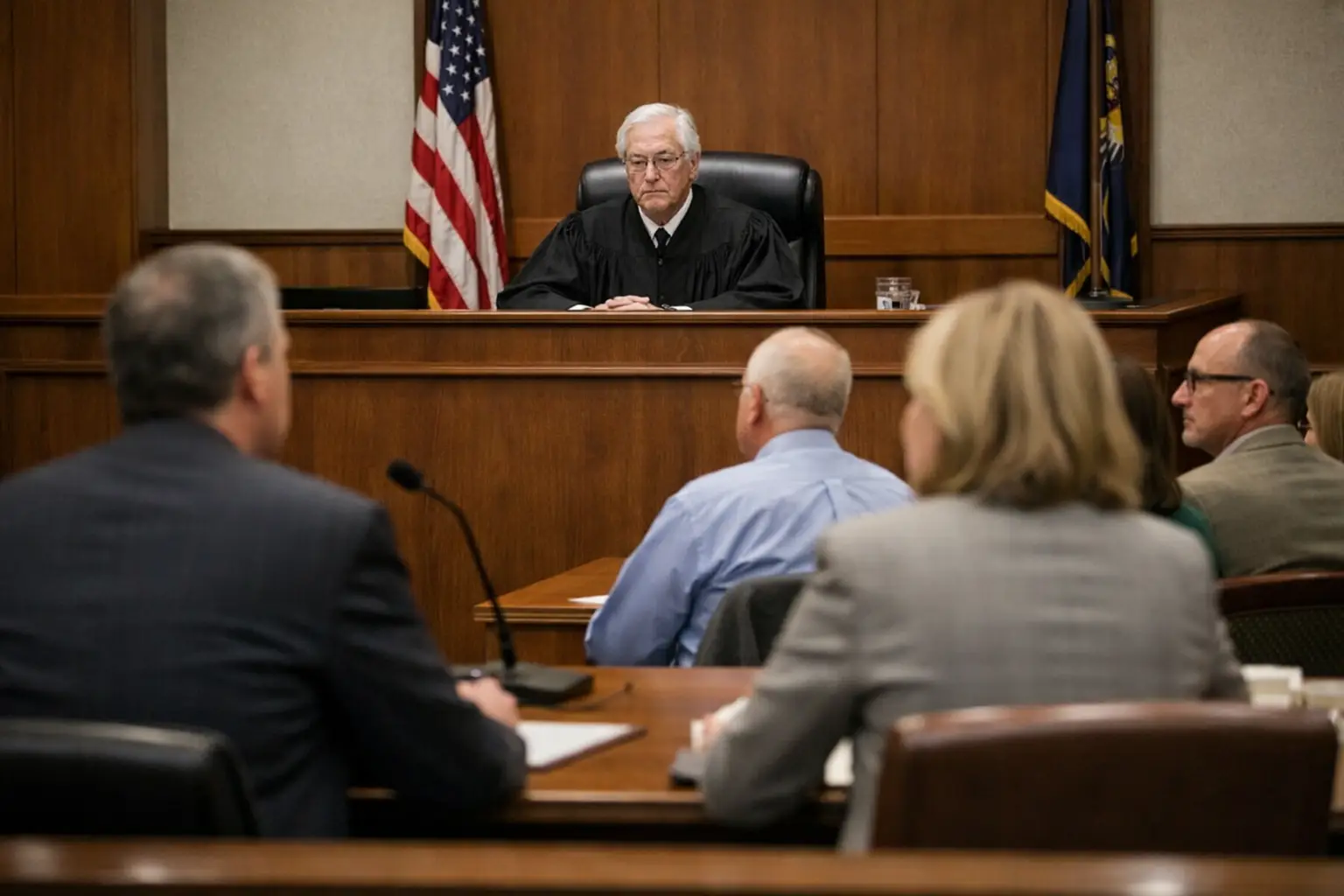
A federal judge in California has temporarily barred the Trump administration from threatening election officials with criminal prosecution as part of its campaign against alleged noncitizen voting. The order, issued Friday by U.S. District Judge Trina Thompson, pauses a contested enforcement approach while a newly filed lawsuit moves forward in federal court.
The temporary restraining order came in a case brought by unions representing California election workers. Their lawsuit challenges actions tied to the U.S. Department of Justice, arguing that threats of prosecution risk interfering with the work of officials responsible for administering elections. Judge Thompson, who was appointed to the federal bench by President Joe Biden, directed the administration to stop using criminal prosecution threats against those officials for now.
The dispute sits at the intersection of election integrity enforcement and the protection of local election administration. Federal law already bars noncitizens from voting in federal elections, but the mechanics of voter registration, ballot processing and election certification are handled largely by state and local personnel. The court’s order does not decide the underlying legal claims; it prevents the challenged conduct while the case is reviewed.
Temporary restraining orders are short-term measures designed to preserve conditions before a court reaches a fuller decision. In this case, the immediate effect is to limit pressure on election workers in California who are involved in carrying out voting procedures. The ruling also places judicial scrutiny on how federal authorities may communicate with election offices during politically sensitive enforcement efforts.
The lawsuit will continue beyond Friday’s order, leaving open questions about the scope of federal power over alleged noncitizen voting investigations and the protections available to election personnel. For now, Judge Thompson’s decision creates a pause in one part of the administration’s strategy, while the broader debate over voting rights, election security and criminal enforcement remains before the courts.