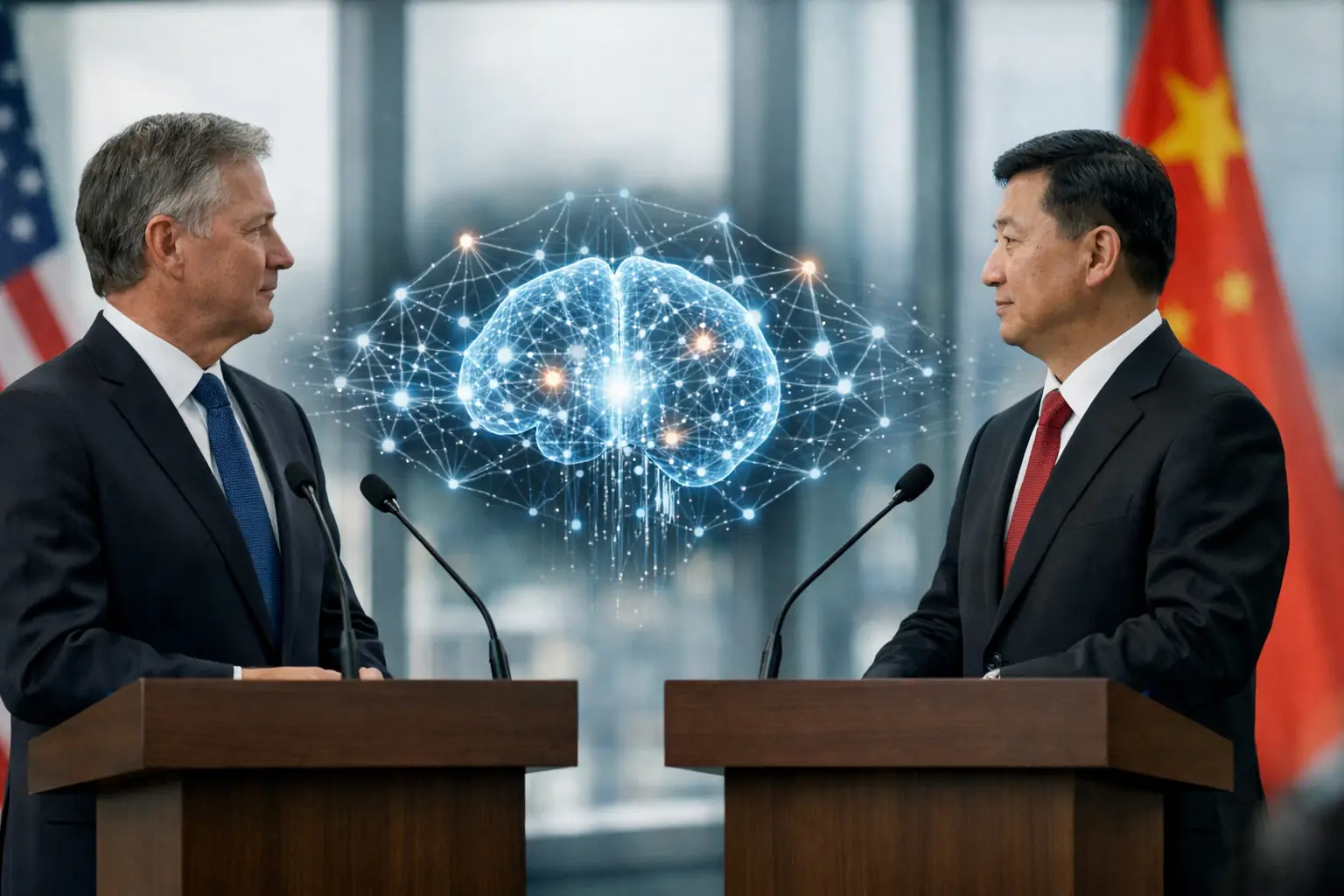







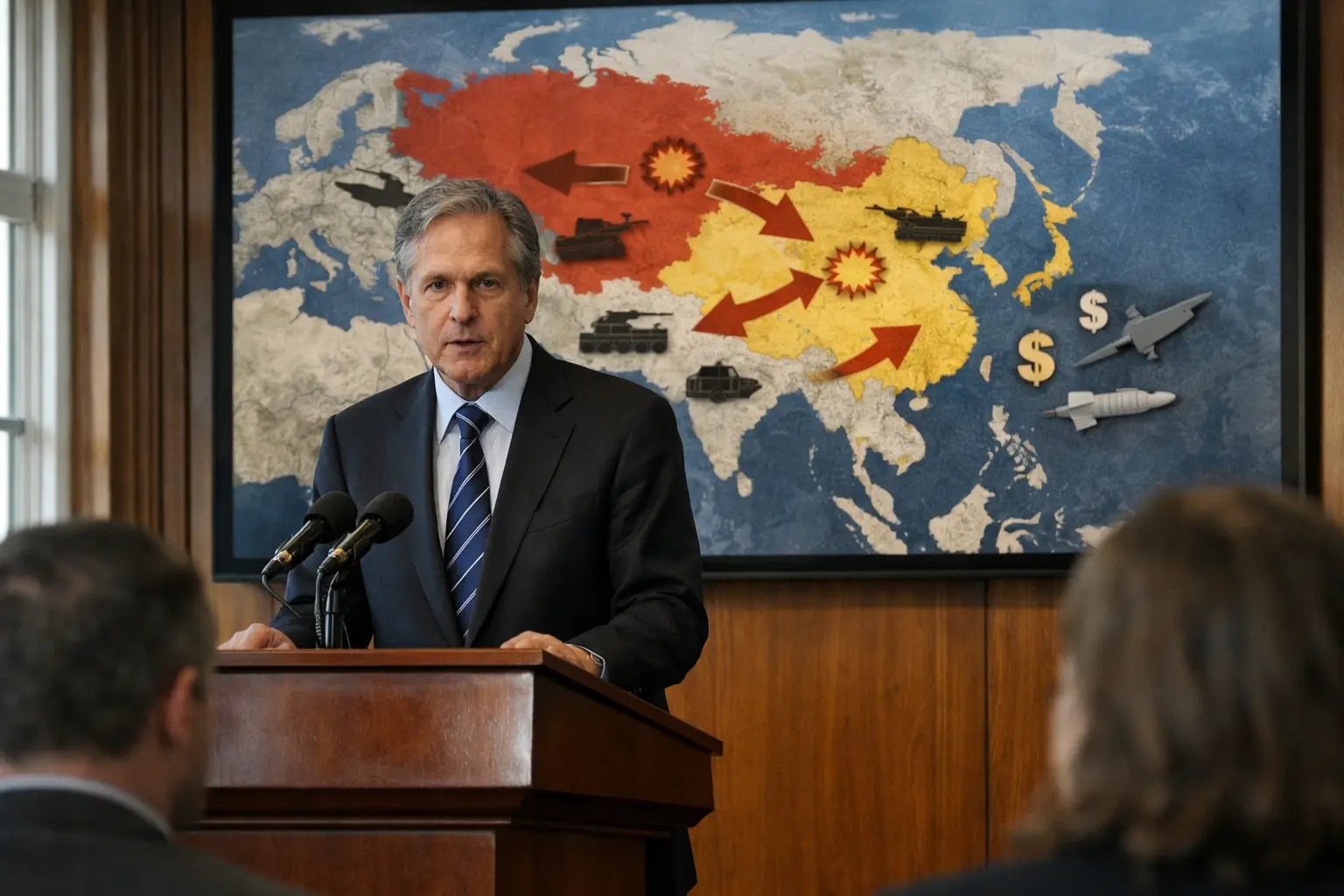
Washington’s pragmatic approach to the evolving security relationship between China and Russia emphasizes containment through allied cohesion rather than a direct military showdown. The two powers have expanded diplomatic, economic and security contacts in recent years, but their cooperation remains selective and driven by short-term interests rather than a formal alliance. Policymakers in the United States are weighing measures aimed at magnifying those limits while reassuring partners across Europe and the Indo-Pacific.
Analysts point to several structural frictions that constrain the partnership: diverging regional priorities, economic asymmetries, and long-standing mutual distrust rooted in historical rivalry. These conditions mean that cooperation often focuses on transactional benefits—energy, arms and diplomatic coordination—rather than comprehensive institutional integration. Those transactional ties can be vulnerable to shifts in market conditions, targeted sanctions, or diplomatic pressure that raise the political or economic cost of closer alignment.
Practical steps available to Washington include deepening interoperability with allies through joint exercises and defense planning, accelerating efforts to diversify critical supply chains, and expanding trade and investment ties with regional partners to offer alternatives to Beijing-backed projects. Strengthened intelligence sharing and coordinated sanctions frameworks can increase the penalties for actions that overtly bind China and Russia together. At the same time, sustained diplomatic outreach to fence-sitting states can reduce incentives to choose between major powers.
The intended effect of this approach is to make the Sino‑Russian axis harder to sustain by increasing its political and economic costs and by presenting credible, attractive options to other governments. For partners in Europe and the Indo‑Pacific, clearer U.S. commitments combined with concrete economic programs can shrink the strategic space for Moscow and Beijing to cultivate influence. Over time, that rebalances incentives without requiring escalation into direct military confrontation.
Success depends on consistency and resources: maintaining alliance unity, investing in resilient economic links, and calibrating pressure to exploit frictions without pushing either side toward irreversible entente. The strategy treats the China–Russia relationship as a series of negotiable alignments rather than a monolithic bloc, aiming to shape choices across a range of political, economic and security domains.