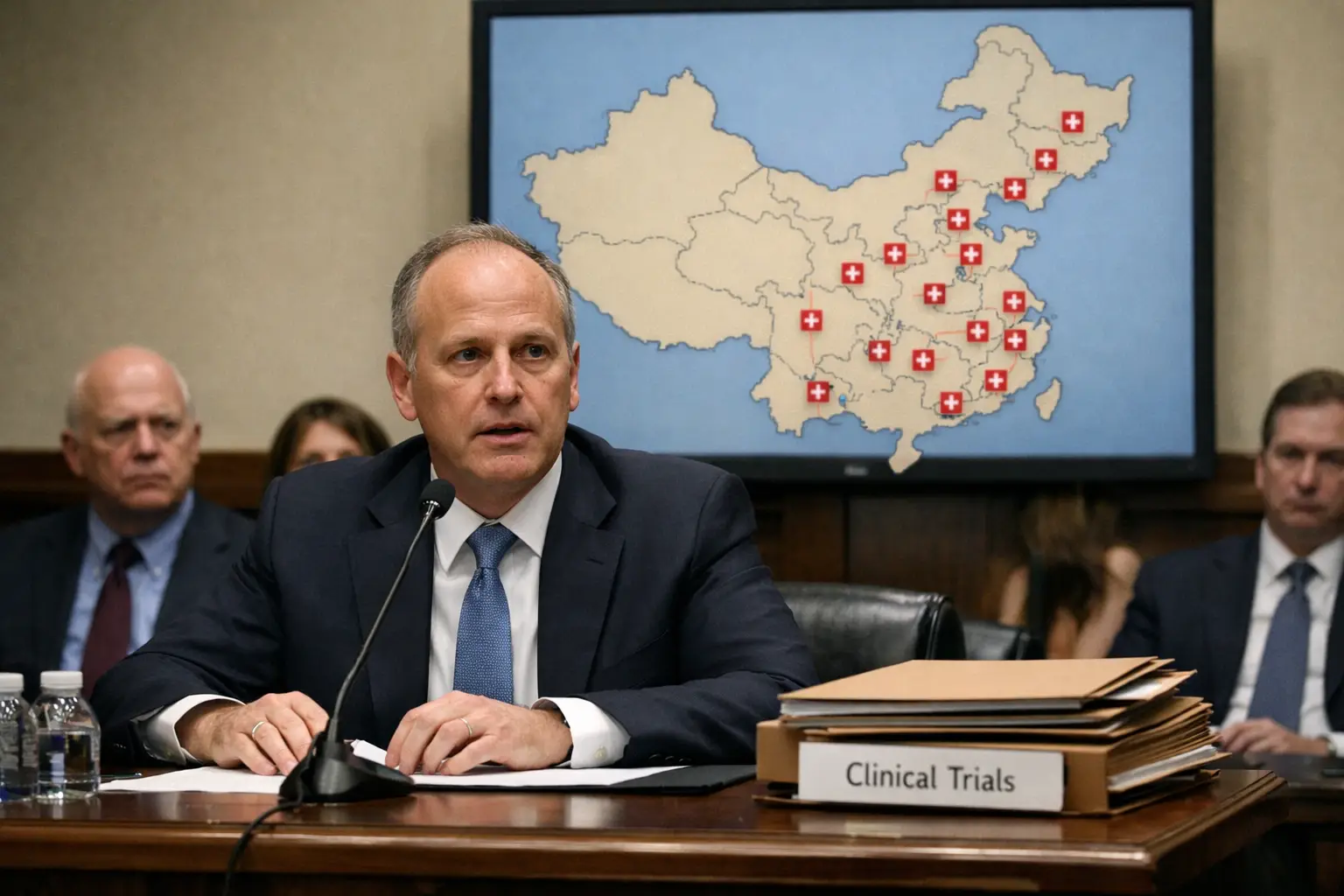









The question of timing in medical education is drawing renewed attention after STAT featured the issue in its First Opinion section under the headline “When should medical school start?” The discussion touches a central concern for universities, hospitals and future physicians: how early professional medical training should begin, and what students should know before entering a demanding path toward clinical practice.
STAT describes First Opinion as a forum for essays on the life sciences written by people with direct experience in fields such as biotechnology, health care and research. In this case, the platform is also inviting continued public exchange through its Letters to the Editor process, which publishes selected responses to First Opinion essays. That format places the debate within a broader editorial effort to encourage informed disagreement on topics that affect both professional training and patient care.
The starting point of medical school is not only an academic scheduling issue. It can shape how students move from general education to specialized scientific study, how soon they encounter clinical environments, and how institutions balance technical knowledge with communication, ethics and decision-making. For students, the timing of entry can influence preparedness and professional maturity. For training systems, it affects curriculum design and the long path from education to residency and independent practice.
The debate also reflects wider pressure on health care systems to prepare physicians efficiently without weakening standards. Any change to the structure or timing of medical training carries consequences for admissions, faculty planning, clinical placements and the expectations placed on young trainees. Because medical education sits at the intersection of science, public service and workforce planning, questions about when it should begin are inseparable from questions about what kind of doctors institutions aim to train.
By opening space for reader responses, STAT is highlighting the value of professional exchange around an issue that rarely has a single answer. Medical schools, educators and clinicians may approach the question from different perspectives, but the underlying concern is shared: ensuring that the path into medicine is rigorous, humane and aligned with the responsibilities physicians will carry in practice.