









Democrats have gained control of the U.S. Senate, giving the party its strongest institutional position yet to challenge the health policy direction of Donald Trump’s administration. The election result, which ended unified Republican control in Washington, gives Democrats at least 51 Senate seats, based on the Associated Press count at 11:36 p.m. EST. Ballot counting remained in progress, leaving the final margin subject to change.
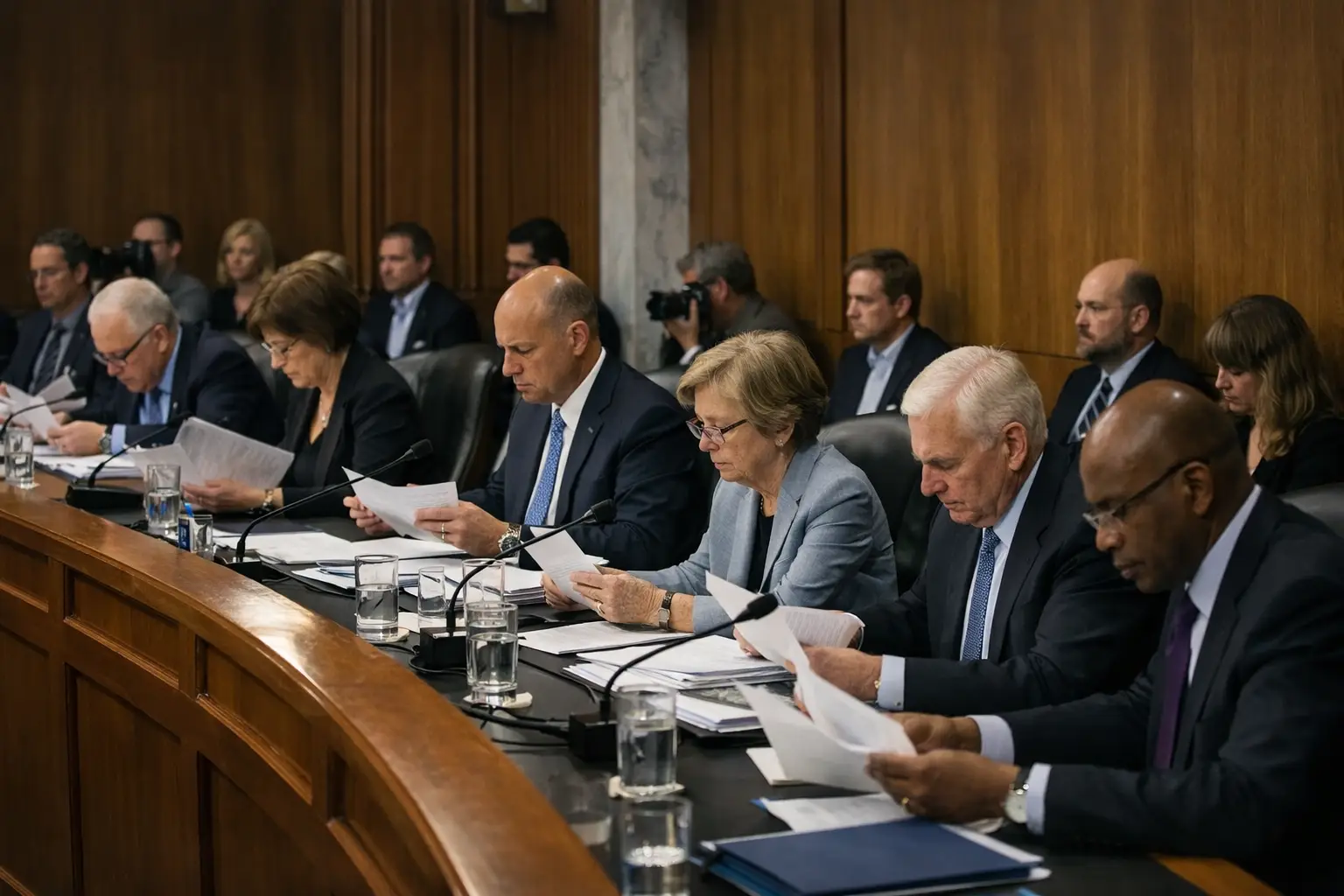
The shift matters most because the Senate is not only a legislative chamber but also a center of oversight. With the majority, Democrats can set committee agendas, call hearings, demand documents and scrutinize the implementation of administration policy. Those powers could bring new attention to federal decisions affecting health care, insurance regulation, public health programs and the agencies that manage them.
For the White House, the loss of Senate control narrows the path for advancing health reforms without resistance from Congress. Democratic senators will be positioned to challenge appointments, question agency leaders and slow initiatives they oppose. They may also try to use legislation to reverse or limit parts of the Trump administration’s agenda, although any bill would still need to move through the broader lawmaking process.
The outcome also changes the political terrain for Democrats, who now have a formal platform to define their health priorities against those of the administration. Control of the Senate gives the party a vehicle to elevate disputes over access, costs and federal authority in health policy. It does not guarantee that Democrats can rewrite the administration’s program on their own, but it gives them tools that were unavailable while Republicans held the chamber.
The immediate consequences are likely to emerge through oversight before legislation. Hearings, document requests and confirmation battles can shape the public record and affect how federal health policies are carried out. As the final Senate numbers are confirmed, the central political fact is already clear: health care will become a more contested arena in Washington, with Democrats now able to confront the Trump administration from inside one of Congress’s two chambers.