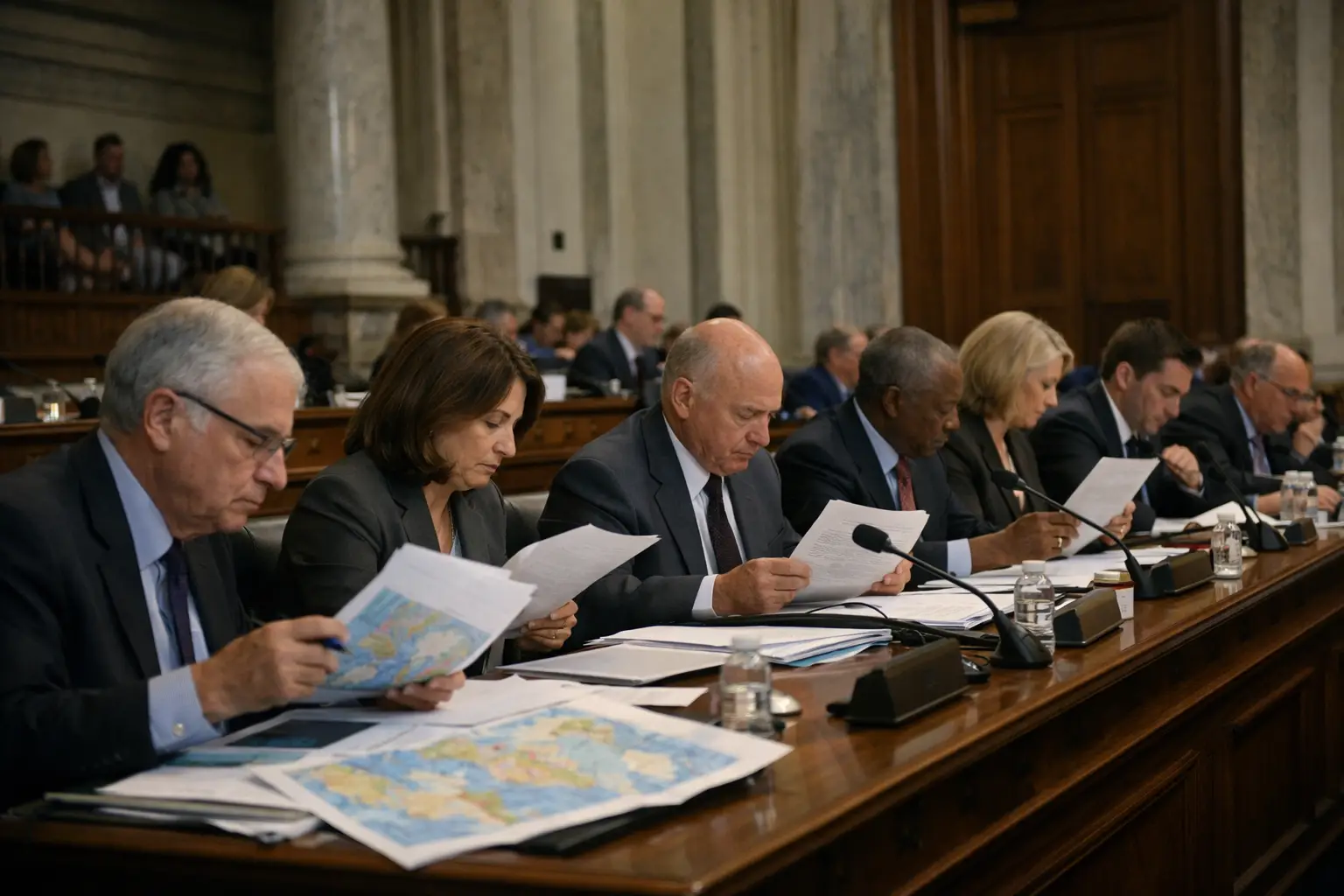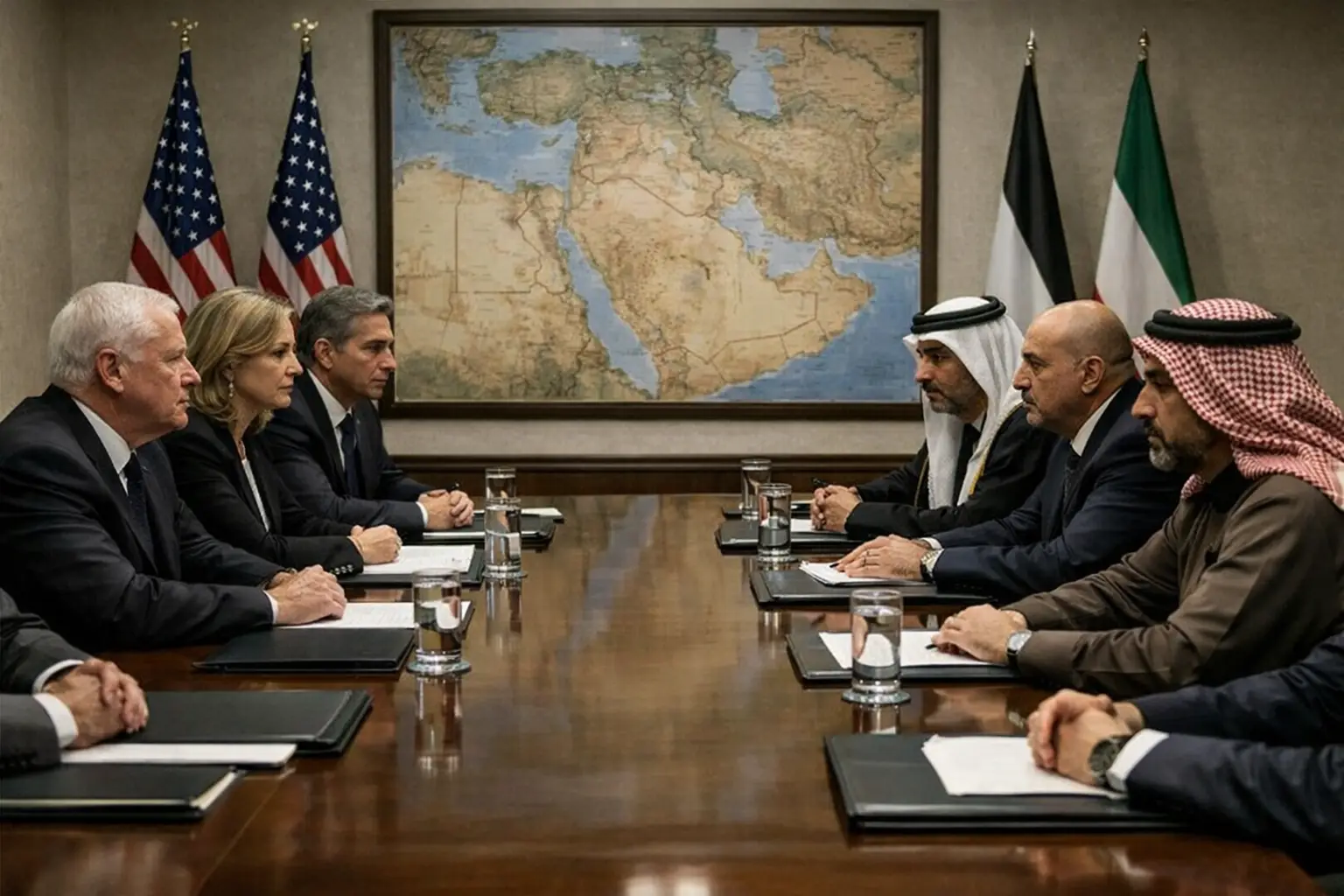








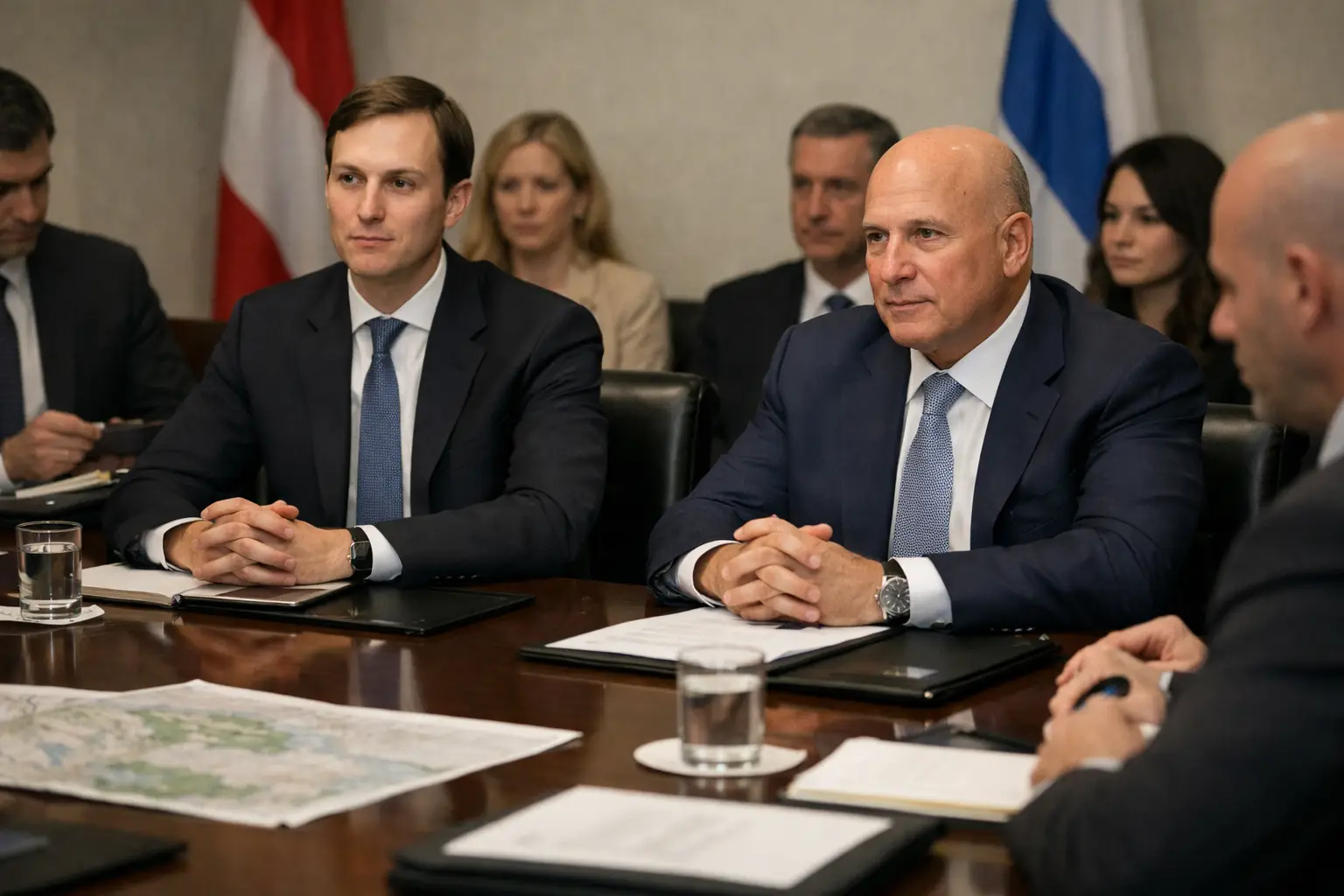
The central criticism facing Jared Kushner and Steve Witkoff is not limited to missed openings, weak timing or flawed negotiation technique. It goes to a broader view of power: the belief that deeply rooted political conflicts can be managed primarily through personal access, financial incentives and transactional bargaining. That approach has shaped how both men are discussed in relation to United States foreign policy and crisis diplomacy.
Jared Kushner, whose former role as a senior adviser in the Trump administration is recorded by the White House archive, became closely associated with a style of diplomacy built around private channels and leader-to-leader engagement. Steve Witkoff, a real estate investor and longtime figure in Donald Trump’s business and political circle, has been viewed through a similar lens. Their shared profile matters because neither is rooted in the conventional diplomatic establishment that usually operates through the U.S. Department of State.
The appeal of that model is clear: it promises speed, discretion and a direct path around slow institutions. In some settings, personal relationships can open doors that formal procedures leave closed. But the weakness is equally important. Conflicts involving sovereignty, security, borders, recognition, hostages, sanctions or occupation do not turn only on the size of an offer or the warmth of a relationship. They are shaped by domestic politics, historical grievances, legal commitments and the credibility of guarantees. A negotiation style that treats resistance as a pricing problem can misread the reasons governments and armed groups refuse to move.
This is why the debate extends beyond two individuals. It reflects a wider tension in modern diplomacy: whether international disputes should be approached as complex political settlements or as high-stakes transactions waiting for the right broker. The second view can produce dramatic announcements, but durable agreements require implementation, monitoring and institutions capable of surviving leadership changes. Without those elements, personal diplomacy risks generating movement without stability.
To describe the problem as merely tactical therefore misses its larger consequence. The question is not only whether Kushner or Witkoff can obtain meetings, build rapport or present proposals. It is whether their underlying framework can account for the constraints that define real negotiations. In conflicts tied to the Middle East and other strategic arenas, access is valuable, but it is not a substitute for leverage, legitimacy and a realistic reading of political limits.