

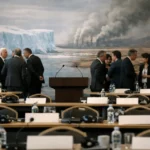


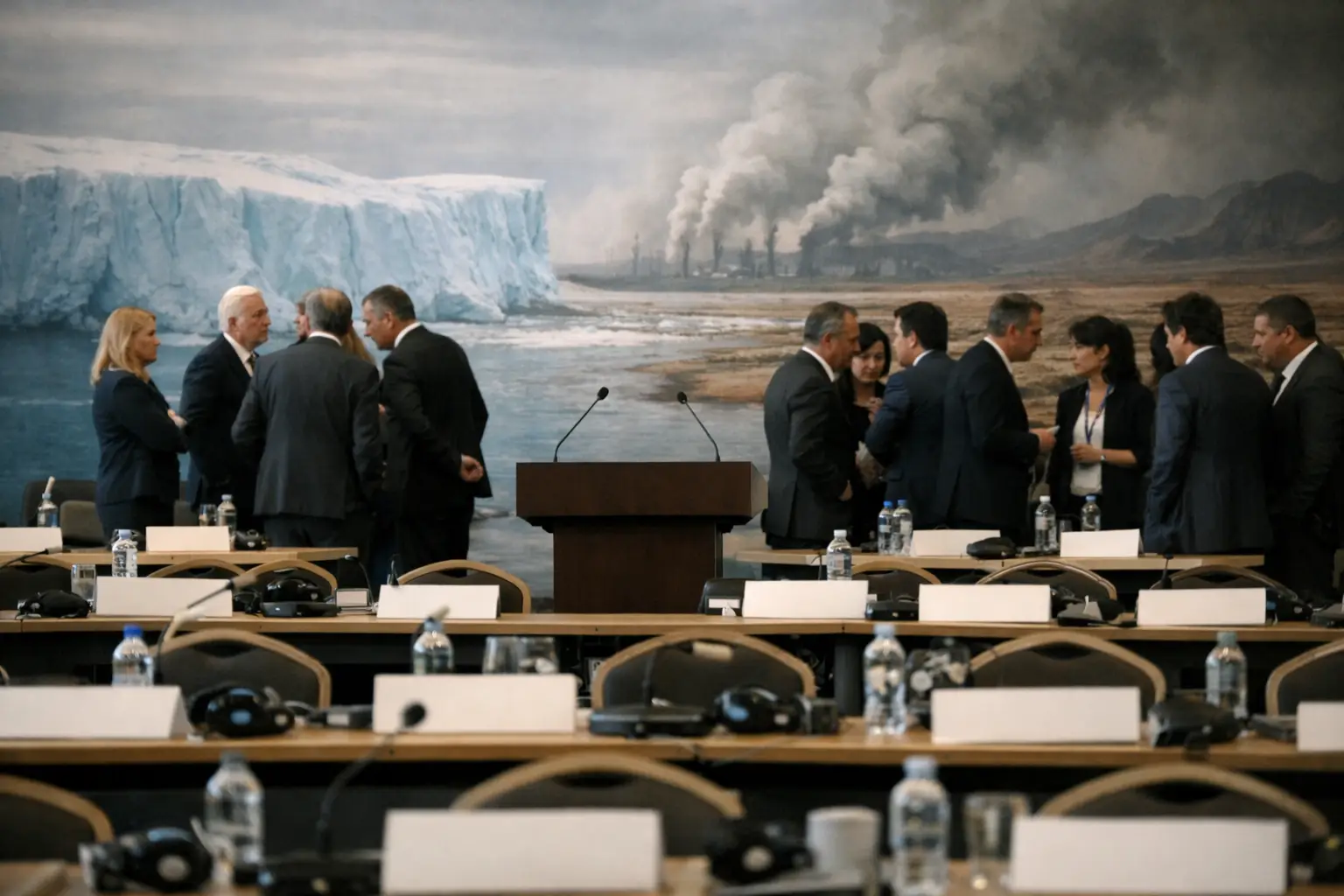
The failure of COP31 to produce an agreement has reopened a central question for global climate diplomacy: whether a process built on unanimity can still deliver decisions at the speed required by the crisis it was designed to address. The marathon talks in Turkey ended on Sunday, two days later than scheduled, without a final deal after governments remained divided over fossil fuels, finance, science and carbon-removal technologies.
The summit formed part of the annual Conference of the Parties process under the United Nations Framework Convention on Climate Change, the forum where governments negotiate the implementation of global climate commitments. Its failure to reach common ground is significant because COP decisions are meant to set shared political direction, clarify priorities and signal to markets, institutions and national administrations how the international response to climate change is evolving.
At the centre of the renewed debate is the consensus rule that shapes the COP system. In practice, decisions are adopted only when objections can be overcome, giving every participating government substantial leverage over final texts. Supporters of the approach argue that universal backing gives agreements legitimacy. The breakdown in Turkey has strengthened criticism that the same rule can slow or block outcomes when divisions are too wide, especially on issues that affect energy systems, public budgets and industrial strategy.
The absence of a deal has also added momentum to two alternative paths already gaining attention: climate-related legal action and narrower agreements among countries prepared to move faster. Legal routes can shift pressure from negotiating halls to courts and tribunals, where governments and institutions may be challenged over compliance with climate obligations. Smaller coalitions, meanwhile, can pursue cooperation on specific themes such as climate finance, fossil-fuel transition or carbon removal, without waiting for a universal package.
Neither route replaces the broad reach of the UN process, which remains the only forum bringing nearly all governments into one climate negotiation. But the collapse of COP31 has underlined the limits of relying on a single track when political differences are entrenched. The next phase of climate diplomacy will be judged not only by whether governments return to the table, but by whether they can prevent procedural deadlock from weakening the practical response to global warming.