



The oft-forgotten two attempts on Ford’s life in September 1975 (both by women, both in California) failed to lift his popularity or reset his presidency because they appeared to undercut part of his agenda: The United States remained politically violent and stubbornly divided, despite Ford’s promise to heal national wounds caused by Watergate. The back-to-back incidents also solidified his emerging image as a bumbling commander in chief.
Several months before that benighted month, television cameras filmed Ford descending the stairs of an airplane and falling down. Reporters called him the “klutz in chief.” On Oct. 14, 1975, a 19-year-old man accidentally rammed a limousine the president was riding in, prompting reporters to question the competence of his administration. “The car wreck was emblematic of the chaos he was facing,” one writer later observed. In November, “Saturday Night Live” mocked Ford as a dimwitted, accident-prone rube. The perceived omnipotence of the chief executive seemed to preclude extending sympathy to him for surviving two near tragedies.
In the fall of 1975, Ford’s approval ratings largely remained in the mid-40s, where they had been just before the attempts on his life. Ronald Reagan almost defeated Ford in the 1976 Republican primary, and Ford, a onetime Michigan football star, lost the White House to Jimmy Carter in November.
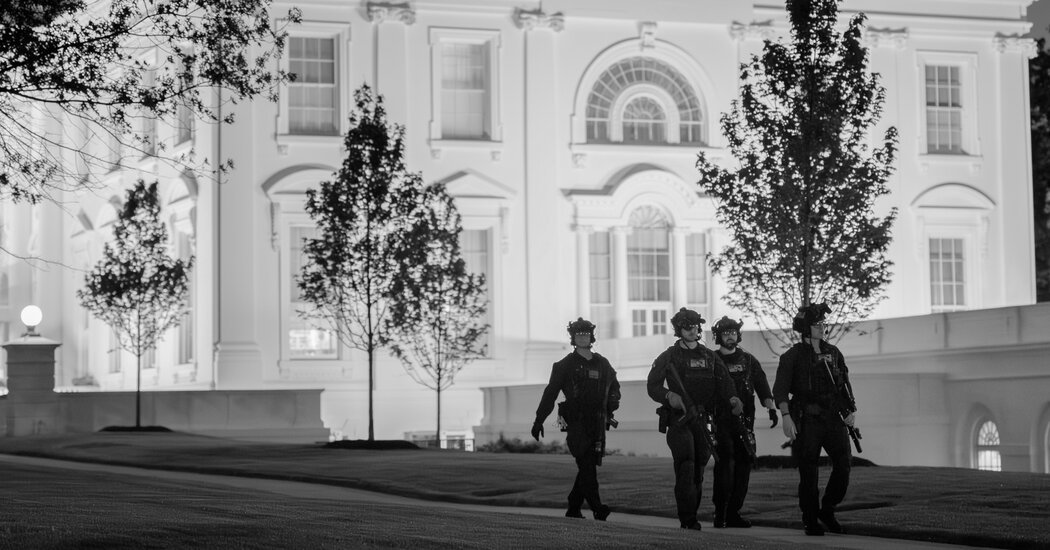
John Hinckley Jr.’s shooting of Reagan outside the Hilton Hotel in Washington on March 30, 1981, was a partial exception to this pattern. Reagan almost died, but unlike John F. Kennedy, he lived. His unflagging bravura (“Honey, I forgot to duck,” he quipped to his wife, Nancy) provided a jolt of hope to a nation grappling with the aftereffects of the Vietnam War, stagflation and the Iran hostage crisis. Mr. Trump aims for a similar effect, immediately pivoting to his plans to resurrect the White House Correspondents’ Association dinner and redoubling his call to build a White House ballroom to harden the president’s security.
One month after being shot, Reagan addressed a joint session of Congress. The president praised the Secret Service agent Tim McCarthy for taking a bullet for the president; after two decades of turmoil and decline, Reagan implied, America’s fortunes had turned, and now was the time to pass his sweeping tax cuts. Thousands of schoolchildren and adults sent get-well-soon cards, with many expressing thanks to God that Reagan hadn’t died. By May 1981, Reagan’s approval rating had soared to 68 percent.
Source:
www.nytimes.com