








Israel and Hezbollah traded strikes in Lebanon on Sunday, and talks to end the war in Iran were in limbo, putting two Mideast truces on shaky ground.
The Israeli military said that overnight it had attacked structures used across southern Lebanon by Hezbollah, the Iran-backed armed group. The attacks were launched just days after the cease-fire in Lebanon was extended.
The Israeli military also said that Hezbollah had fired explosive drones at troops deployed in the Israeli-controlled zone in southern Lebanon.
Prime Minister Benjamin Netanyahu of Israel said that the military was operating “with significant force” and accused Hezbollah of “effectively eroding the cease-fire.” Israeli attacks in Lebanon have killed several people over the past few days, including a well-known journalist. The Israeli military said at least four were militants.
At the same time, the fate of U.S.-Iran cease-fire negotiations was unclear a day after President Trump abruptly called off a trip by American officials to Pakistan, which has been acting as a mediator.
On Sunday, Abbas Araghchi, the Iranian foreign minister, returned to the Pakistani capital, Islamabad, after leaving on Saturday, according to Iranian state media.
Despite the tensions, the truces in Lebanon and Iran do not yet appear to have hit their breaking points. Mr. Trump extended the deadline for Iran to respond to his demands after providing an ultimatum that expired last week.
Analysts say that while neither the United States nor Iran wants to prolong the war, it is uncertain whether they can agree on terms for a durable peace deal. The talks hit a snag on Saturday as Mr. Araghchi was wrapping up his last round of meetings with the Pakistani mediators when Mr. Trump abruptly announced that some of his top aides — including Steve Witkoff, Mr. Trump’s special envoy, and Jared Kushner, the president’s son-in-law — would not travel to Pakistan for a new round of discussions. Mr. Trump said the Iranians would be wasting the Americans’ time after saying they had put forward an unacceptable proposal. He said Iran had subsequently presented a better plan but it was not clear if the American negotiators would return to Islamabad.
Mr. Trump has threatened multiple times to attack civilian infrastructure in Iran in an effort to force its leaders to accept American terms for an agreement. But he has pulled back from the brink on each occasion, offering the Iranian leadership more time to negotiate.
Between threats and talks, however, the Trump administration appears no closer to compelling Iran to hand over its stockpile of enriched uranium and curtail its nuclear program. Mr. Trump has repeatedly claimed that Iran had agreed to his demands, only for Iran to issue official denials, with the country’s leaders insisting on their own conditions.
Now, the two countries cannot even agree to meet face to face, although they could keep the diplomacy alive by passing messages to each other via their Pakistani interlocutors.
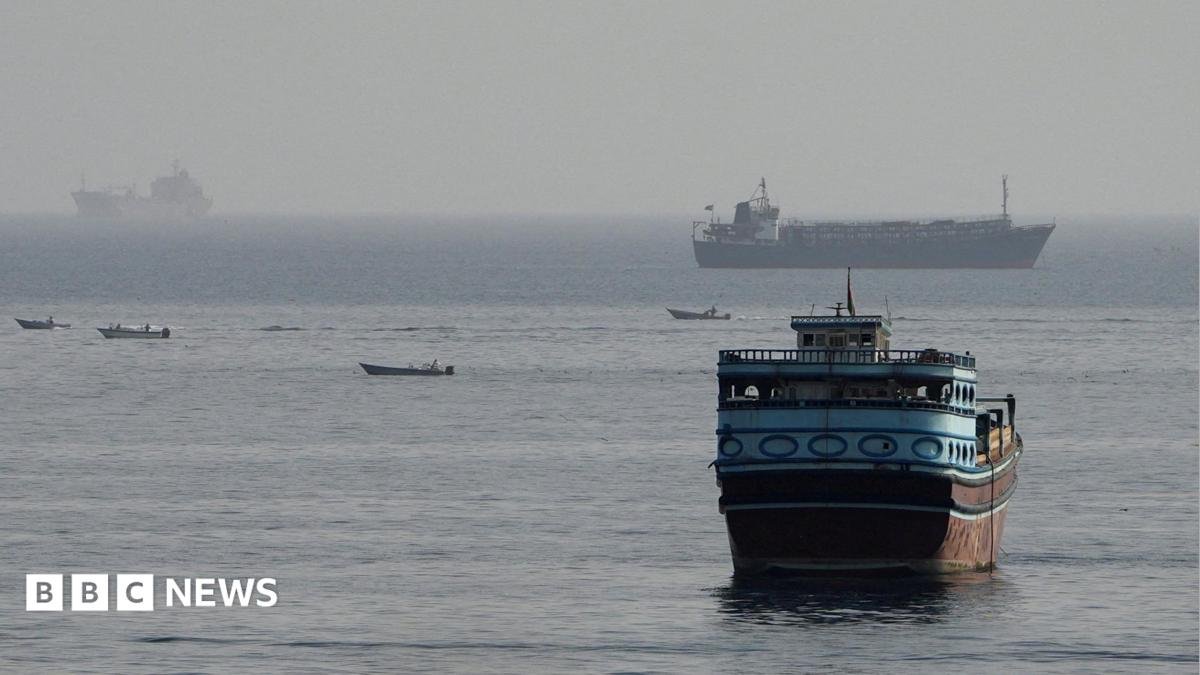
Iran says it will not sit down with U.S. officials until Washington ends its naval blockade of Iranian ports. The Trump administration imposed a cordon in response to Iran’s stranglehold on the Strait of Hormuz, the Persian Gulf waterway that is critical shipping route for oil and gas. The turmoil has sent energy prices skyrocketing.
This month, American negotiators led by Vice President JD Vance met with Mohammad Bagher Ghalibaf, the speaker of Iran’s Parliament, in the highest-level face-to-face encounter between the two adversaries in decades. But some two weeks later, the talks appear to be at a stalemate.
The Trump administration is also hoping to broker a long-term peace deal between Israel and Lebanon. Mr. Trump has said he wants to invite both Mr. Netanyahu and President Joseph Aoun of Lebanon to the White House in the coming weeks.
Sanam Mahooziand Gabby Sobelmancontributed reporting.
Source:
www.nytimes.com