









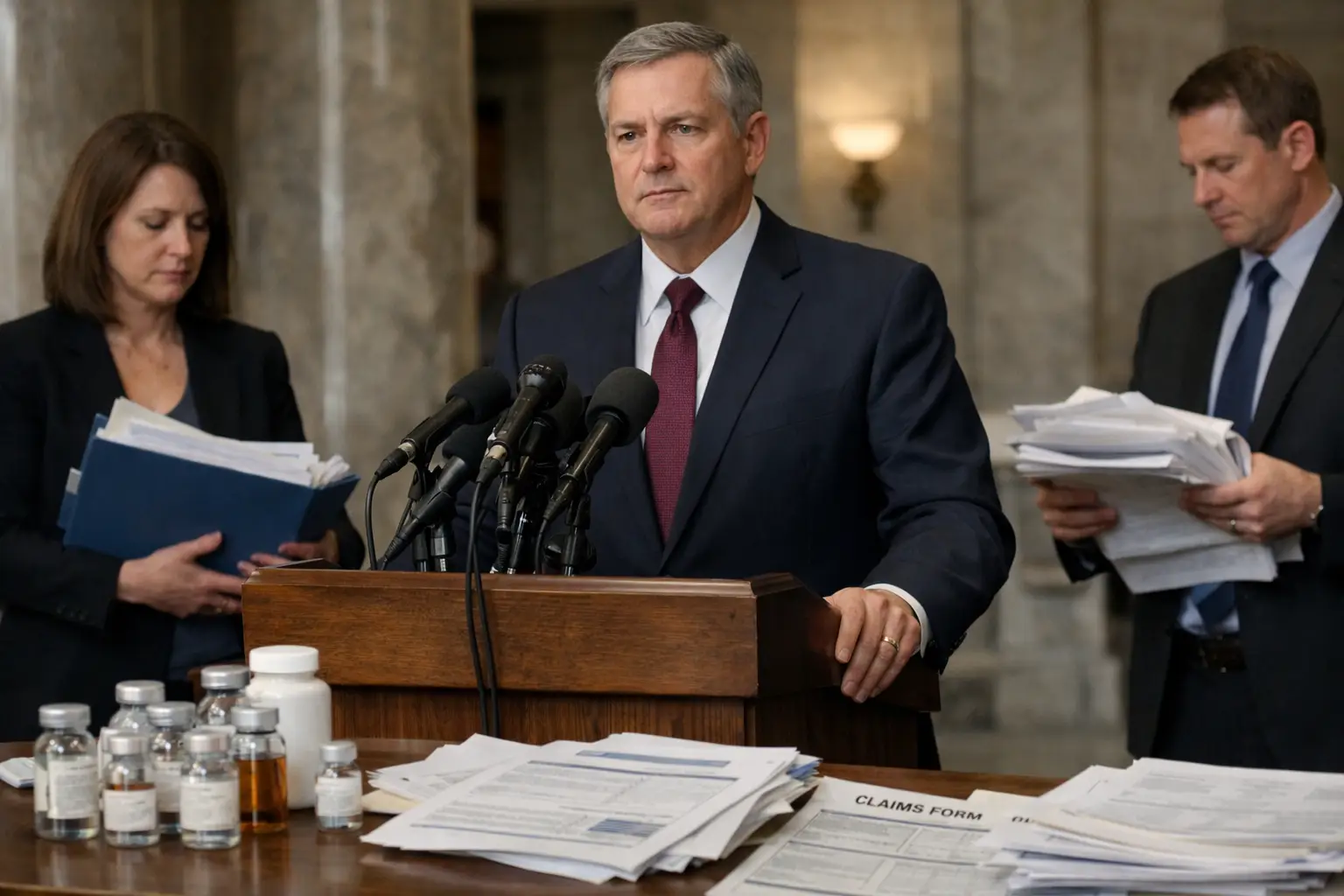
Missouri’s attorney general has escalated a dispute with Eli Lilly over access to discounted medicines under the federal 340B Drug Pricing Program, warning the company to end a policy that requires hospitals to submit claims data before receiving lower prices. In an Oct. 26 cease-and-desist letter, Missouri Attorney General Catherine Hanaway argued that the drugmaker’s approach conflicts with commitments tied to the program and violates state law.
The 340B program, overseen at the federal level by the Health Resources and Services Administration, allows eligible health care providers to buy certain outpatient medicines at reduced prices. The dispute centers on whether a manufacturer can make those discounts conditional on hospitals sending claims information. For hospitals and health systems participating in 340B, the issue reaches beyond administrative procedure because access to discounted medicines is closely linked to drug pricing and the financial management of care for eligible patient populations.
Hanaway’s letter states that Lilly has “broken” its promise to sell medicines at 340B prices to eligible Missouri hospitals. The attorney general also contends that the company made “false and misleading statements” in connection with the policy. The letter gives Lilly until Nov. 26 to discontinue the claims-data requirement. It does not merely challenge the existence of the data policy; it also points to an instance in which compliance with the requirement allegedly did not secure access to the discounts.
That example involves University of Missouri Health Care, which operates seven hospitals in the state. Hanaway wrote that the health system recently agreed to provide the requested claims data, yet Lilly still denied discounts on its medicines. The allegation gives the state’s challenge a concrete institutional focus and raises questions about how manufacturers apply conditions within the 340B framework. It also places Missouri among state-level actors scrutinizing how pharmaceutical companies manage discount access for hospitals participating in the federal program.
The warning adds another legal and regulatory pressure point for Lilly at a time when disputes over the 340B program continue to affect relations among drugmakers, hospitals and public authorities. The Missouri attorney general’s action does not resolve the underlying conflict, but it sets a deadline for the company to change its practice in the state. Lilly’s response will determine whether the matter remains a compliance demand or develops into a broader enforcement fight over how 340B discounts are administered.