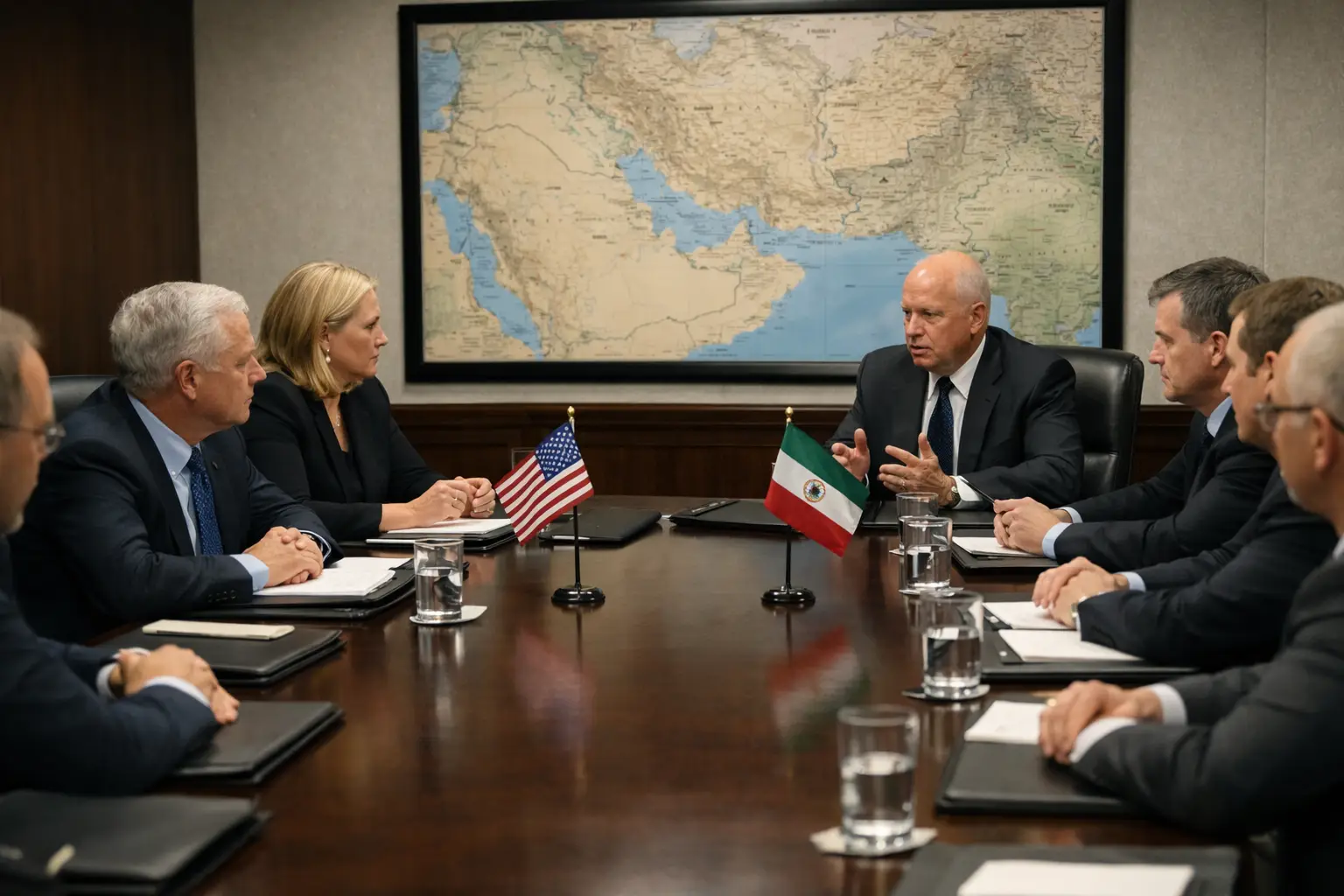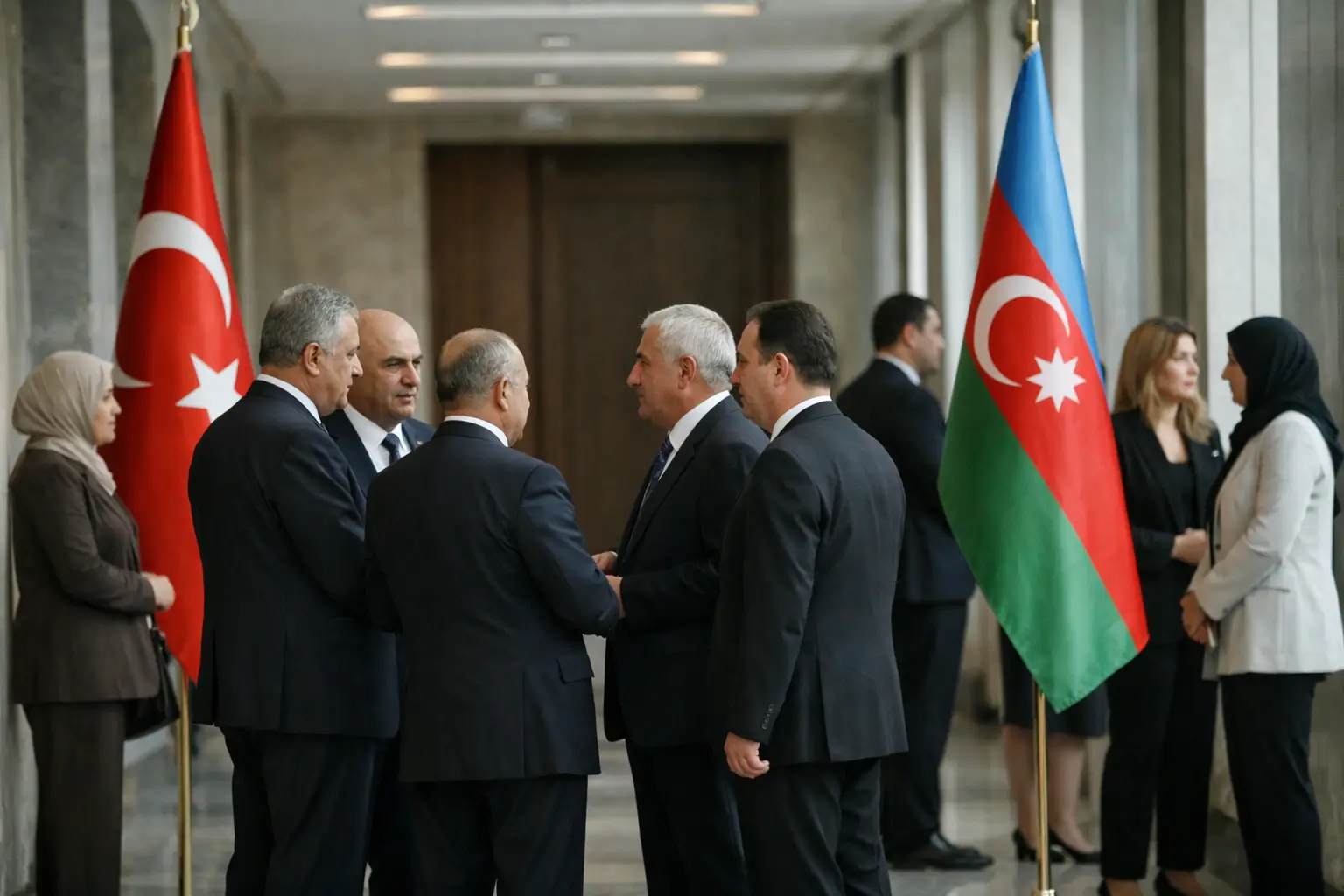








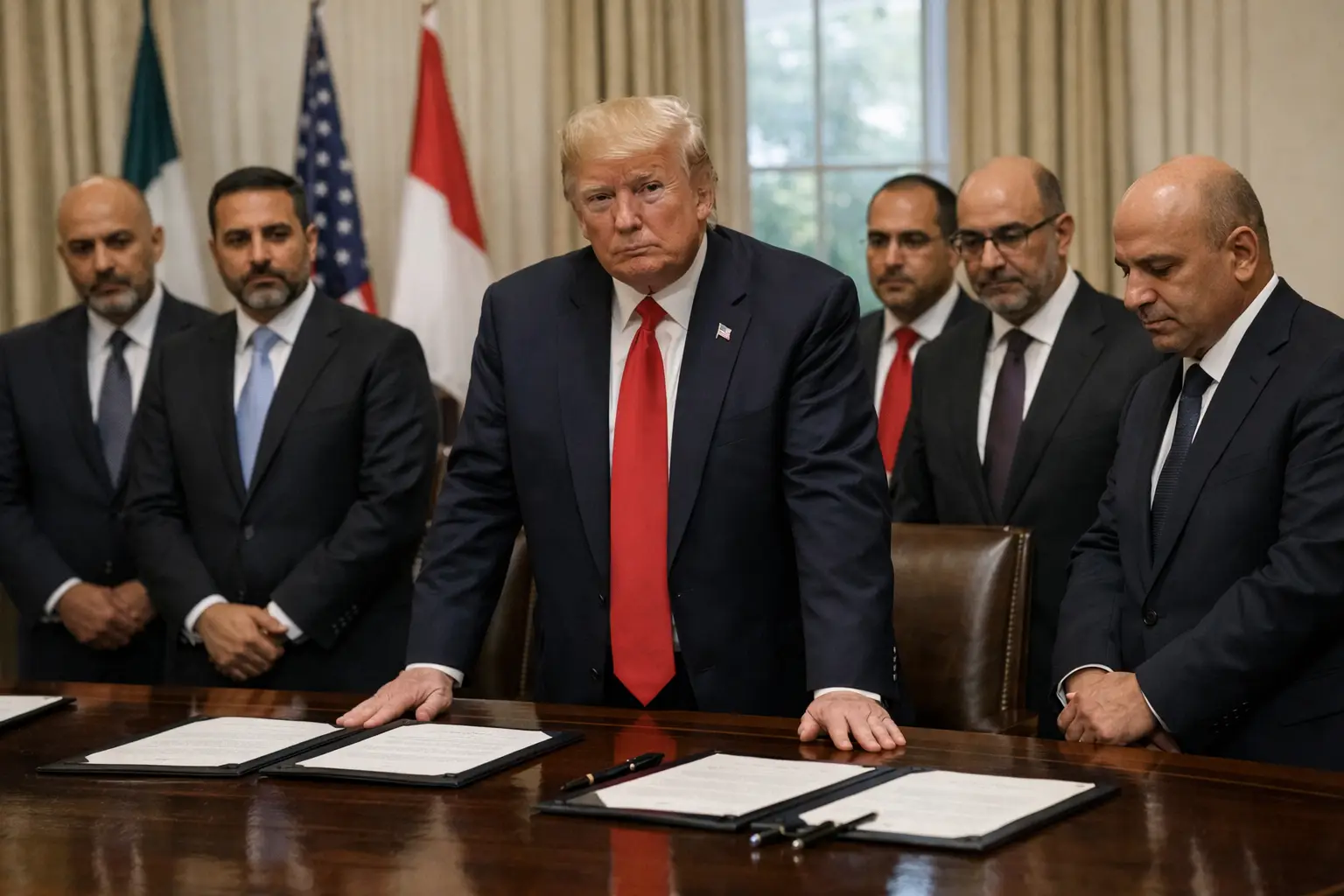
Trump-era Middle East diplomacy relied heavily on bilateral bargains, a method that produced visible agreements but also exposed a structural weakness: deals negotiated one by one can collide with the wider regional balance. For Donald Trump, the approach allowed the United States to move quickly, reward partners and bypass broader multilateral forums. Yet the same formula risked encouraging competition among regional actors seeking separate benefits from Washington.
The most prominent example remains the Abraham Accords, through which Israel normalized relations with the United Arab Emirates, Bahrain and Morocco in 2020, with Sudan also joining the framework. The agreements, promoted by the U.S. Department of State, marked a major diplomatic shift in the Middle East. They expanded formal ties between Israel and several Arab governments, but they did not produce a regional settlement or resolve the Israeli-Palestinian conflict, which remained a central source of instability.
Several of the accords were accompanied by country-specific understandings or U.S. policy moves. Washington recognized Moroccan sovereignty over Western Sahara as part of the normalization process with Morocco. Sudan’s path was tied to its removal from the U.S. list of state sponsors of terrorism. The UAE discussions included advanced defense cooperation, including the proposed sale of F-35 aircraft, although that process later faced complications. Such arrangements showed how targeted incentives could unlock diplomatic movement, but also how each package could create new sensitivities for neighboring states and U.S. partners.
For American strategy, the challenge is that bilateral diplomacy can deliver announcements faster than it can build durable regional architecture. A security or political concession offered to one government may be read by another as a shift in the balance of influence. That dynamic matters in a region shaped by rivalries involving Iran, Gulf monarchies, Israel, Turkey and competing Palestinian factions. It also affects the credibility of U.S. policy when separate commitments appear difficult to reconcile within a single strategic framework for the United States.
The experience underscores a broader lesson for future administrations: bilateral agreements can be useful instruments, but they do not automatically amount to a coherent regional order. Without mechanisms that address overlapping conflicts, security perceptions and unresolved political disputes, separate deals may advance short-term objectives while complicating long-term U.S. interests. In the Middle East, diplomacy conducted through isolated bargains can create breakthroughs, but it can also intensify the rivalries those breakthroughs are meant to manage.