









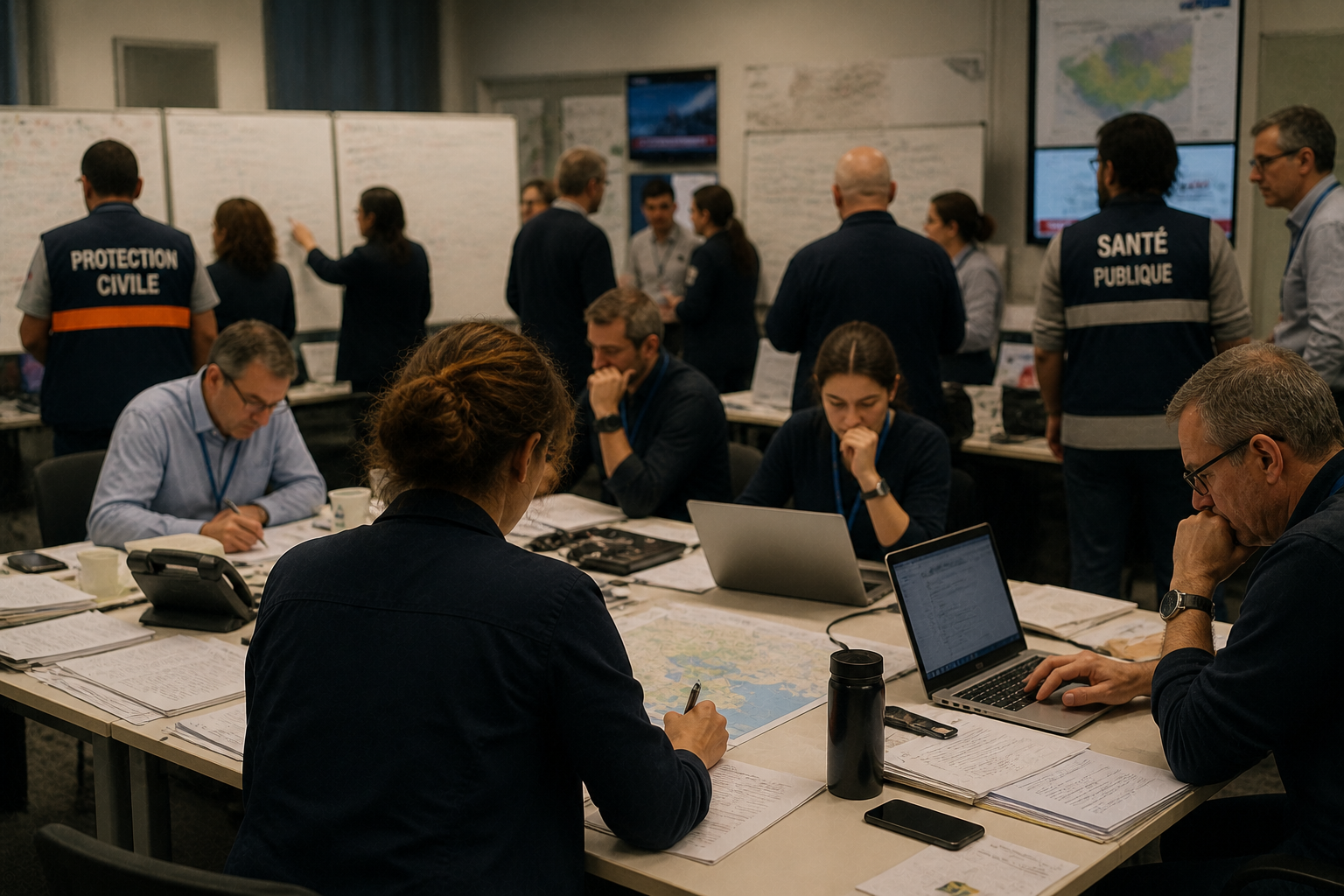
Public policy frameworks in many countries are increasingly shaped by the need to address immediate disruptions while maintaining longer-term objectives. Recent years have been marked by successive crises, including health emergencies, economic shocks, energy volatility and environmental events, requiring rapid responses from governments and institutions.
Crisis management mechanisms are designed to act quickly. Emergency funding, temporary regulations and accelerated decision-making processes are often implemented to stabilize situations and limit immediate impacts. These tools rely on administrative flexibility and coordination between different levels of government.
At the same time, structural policies continue to operate on longer timelines. Investments in infrastructure, education, healthcare and climate adaptation are typically planned over multiple years. These initiatives aim to address underlying challenges and improve resilience to future disruptions.
The interaction between short-term measures and long-term planning can create operational complexities. Resources allocated to urgent responses may affect the availability of funding for structural programs. Administrative capacities are also distributed between managing immediate needs and advancing ongoing reforms.
Policy evaluation and monitoring play a role in balancing these dimensions. Governments and institutions use indicators, reporting systems and assessments to track the effects of both emergency measures and long-term strategies. These processes inform adjustments to policy design and implementation.
Coordination across institutions is another factor. National governments, regional authorities and international organizations may be involved in different aspects of policy development and execution. Aligning priorities and timelines is part of this process.
The evolution of public policy reflects a context in which unexpected events and structural challenges coexist. Decision-making frameworks continue to adapt to these conditions, integrating both reactive and anticipatory approaches.