





Economic dynamics in the Maghreb are shaped by a combination of domestic factors, regional interactions and global market conditions. Countries such as Morocco, Algeria and Tunisia maintain trade relations with partners in Europe, Africa and beyond, while also navigating regional constraints linked to border policies and infrastructure.
Trade flows in the region are influenced by access to external markets, particularly the European Union, which remains a key economic partner. Exports include agricultural products, energy resources and manufactured goods, depending on national economic structures.
At the same time, intra regional trade within the Maghreb remains relatively limited compared to other regions. Analysts and international organizations have pointed to factors such as regulatory differences, logistical barriers and the status of land borders as elements affecting regional integration.
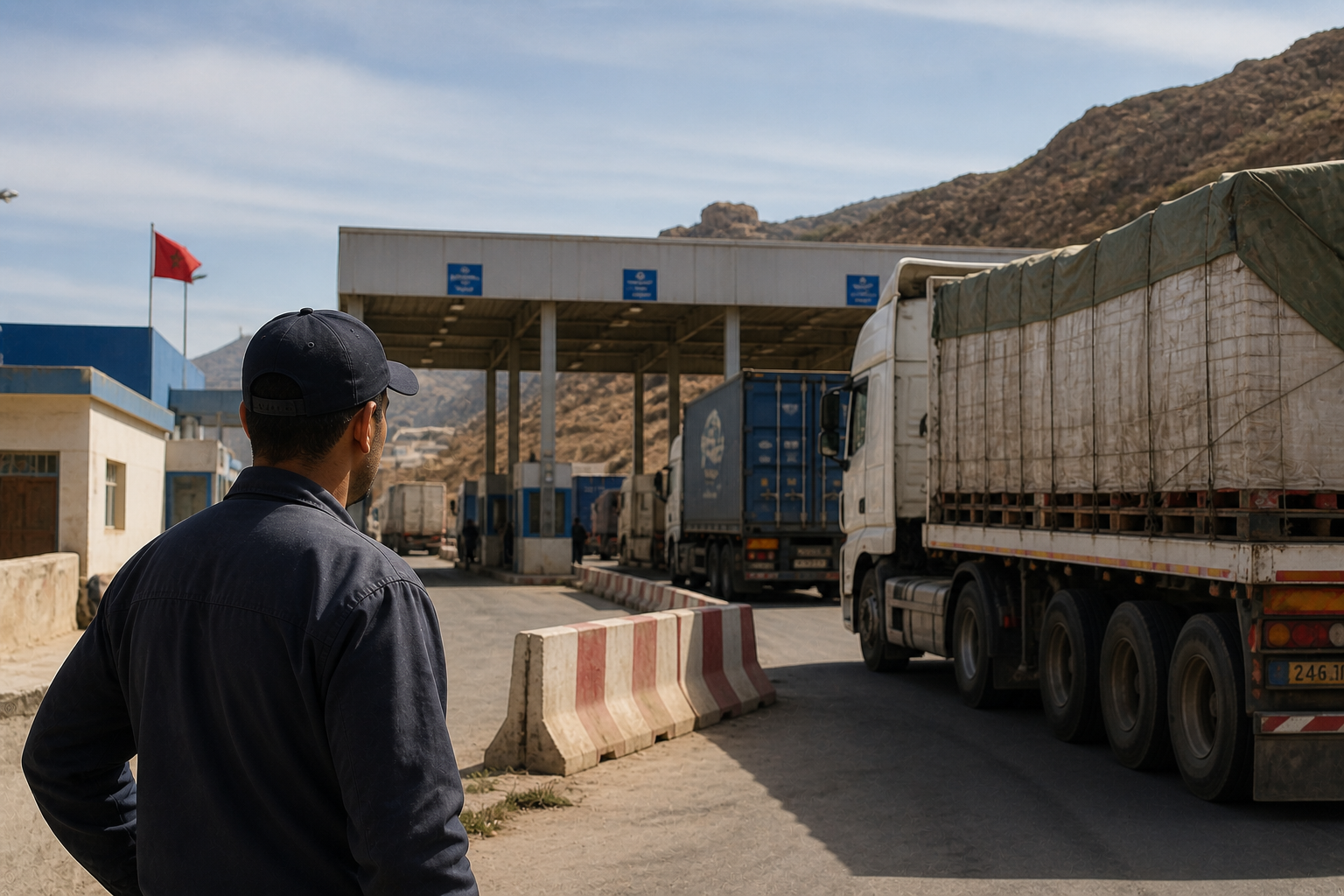
Border management plays a significant role in these dynamics. The closure of certain land borders, notably between Algeria and Morocco, has implications for trade routes, transport costs and economic exchanges. Cross border cooperation in areas such as customs procedures and infrastructure can influence the movement of goods and services.
Infrastructure projects, including ports, road networks and logistics platforms, are part of strategies aimed at improving connectivity. These developments are linked to broader initiatives that connect the region to sub Saharan Africa and European markets.
Energy remains a central sector, particularly in Algeria, where hydrocarbon exports contribute significantly to the economy. Renewable energy projects are also being developed in the region, with potential implications for domestic supply and export capacity.
Regional organizations, such as the Arab Maghreb Union, have frameworks for cooperation, although their level of activity varies. Bilateral agreements and sector specific partnerships are often used to address practical aspects of economic interaction.
The economic outlook for the Maghreb continues to be influenced by the interaction between market access, infrastructure and border conditions.