









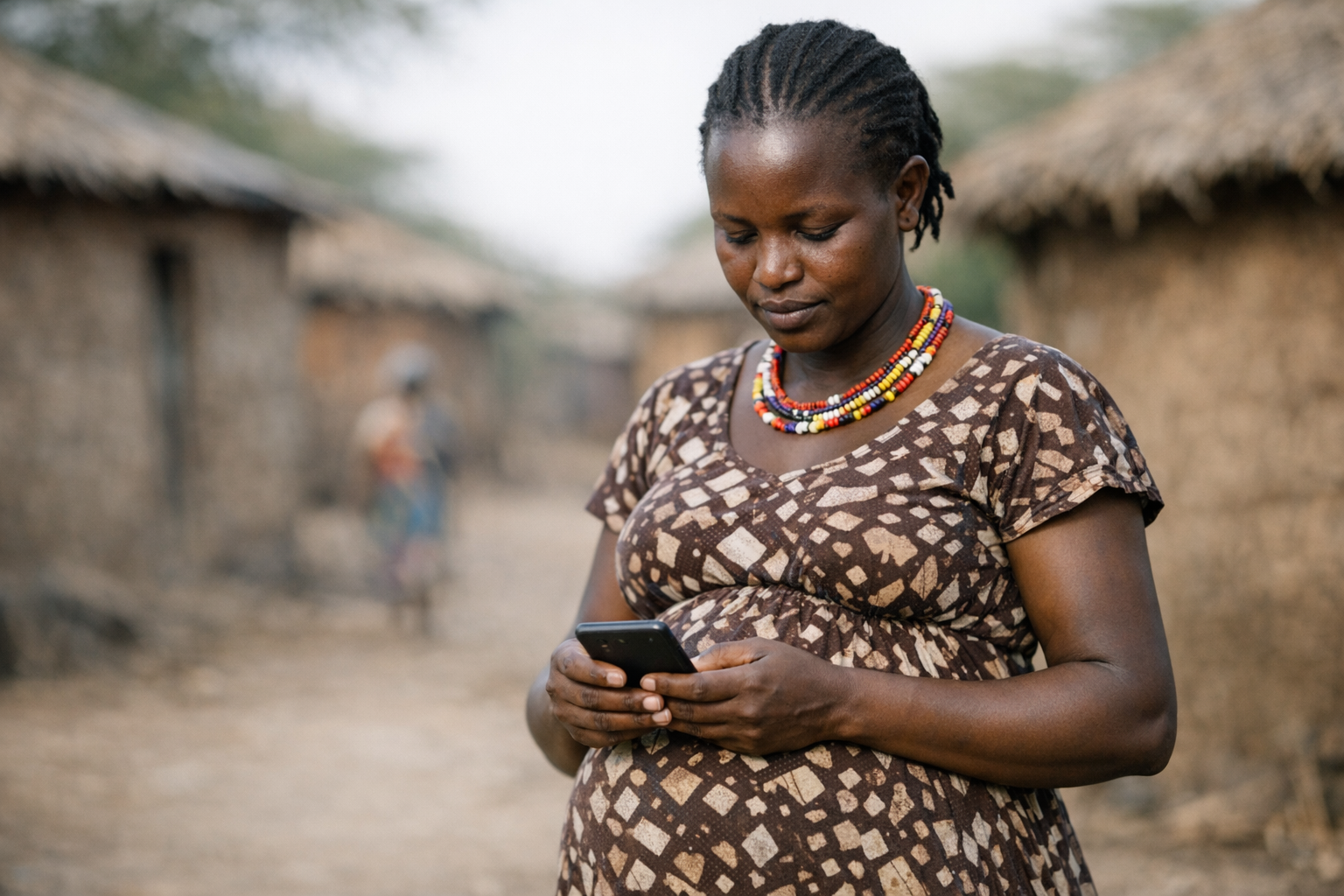
AI-powered chatbot services in Kenya are offering pregnant people a new way to get immediate answers to everyday concerns about pregnancy and newborn care. Users can send simple text messages to ask whether swelling is normal or if certain foods, like avocados, are safe to eat during pregnancy. The tool is positioned as a practical response to situations where a web search or an in-person consultation is not available, delivering concise health information by mobile phone.
The project targets common information gaps that can complicate pregnancy and early parenting. By providing round-the-clock responses, the chatbot intends to support better-informed decisions about symptoms, nutrition and newborn care. While it aims to complement existing services, it does not replace clinical assessment; users are encouraged to seek professional care for urgent or severe signs. The service’s relevance is heightened in areas with limited internet access or where privacy concerns make direct consultations difficult.
Implementation raises several operational and ethical questions. Ensuring the chatbot’s medical content is accurate, culturally appropriate and available in local languages is critical to its usefulness. Developers and health partners must also address data protection, user consent and the potential for overreliance on automated advice. Integration with local health systems and clear referral pathways to clinics or community health workers will determine whether the tool merely informs or actually helps connect people to timely clinical care.
If deployed with strong oversight, routine evaluation and links to formal care, text-based AI assistants could become a scalable component of maternal and newborn information services. Their ability to reach users without smartphones or constant internet access makes them particularly suited to settings where traditional information channels fall short. (Image credit: Donwilson Odhiambo/SOPA Images/LightRocket.)