



Unlock the White House Watch newsletter for free
Your guide to what Trump’s second term means for Washington, business and the world
Donald Trump said the US would release frozen Iranian funds and lift sanctions “as soon as they behave”, as Washington detailed the terms of its interim deal with Tehran to reopen the Strait of Hormuz.
“We have taken their money, it’s their money,” the US president said as he defended the memorandum of understanding his administration has agreed with Iran. “If we didn’t give it back, nobody would ever invest in the dollar again.”
Details of the interim deal released by the Trump administration said the US would “terminate all types of sanctions” on Iran, including UN Security Council resolutions, as part of a final settlement that includes a nuclear agreement
“We have sanctions that will never let them rebuild,” Trump said. “There would be poverty. Then 91mn people would starve.” Sanctions relief would come for Iran “as soon as they behave”, he said.
Trump also said he would allow Iran to keep some of its ballistic missiles
“They have to have some, because other people have some,” he said of the missiles.
As previously reported by the FT, the US will grant Iran a waiver to export oil during a 60-day extension of an April 8 ceasefire. Iran will gradually reopen the strait and the US will lift its blockade of Iranian ports under the terms of the deal.
A final settlement would depend on the US and Iran agreeing a nuclear deal.
The interim deal is an MoU that would extend the April 8 ceasefire by 60 days, lead the gradual reopening of the Strait of Hormuz and lay the framework for crunch nuclear negotiations. The unfreezing of assets would depend on progress towards a final settlement.
Both sides have agreed to the terms of the MoU and are due to formally sign it in Switzerland on Friday. The 60-day period could be extended.
The deal has sparked a backlash among some Republicans and Trump’s critics in the US who say it offers too many concessions to Tehran in a bid to drive down oil prices ahead of November’s midterm elections.
The 14-point MoU makes no reference to Iran’s ballistic missile arsenal or its support for regional militant groups — previous US goals and critical concerns of Israel and Washington’s Gulf allies.
“Missiles are not the problem,” Trump said on Wednesday. “They hurt a little location but they don’t blow up the planet.”
On the nuclear issue, the MoU said the parties would find a “mutually agreed” mechanism to handle Iran’s enriched uranium.
Iran has a stockpile of more than 9,000kg of the material, including 440kg at levels close to weapons grade that Trump previously demanded Tehran hand over to the US.
The MoU sets out a “minimum” for the diluting of the stockpile on site, under the supervision of the International Atomic Energy Agency.
“They’re saying we will destroy the enriched stockpile, and this is how we’re going to do it at a minimum,” said a senior US official.
The MoU states that the US would also work with regional partners to establish a $300bn fund for Iran’s “reconstruction and economic development”, which would be contingent on a final deal.
Trump had earlier on Wednesday played down talk of the fund and said the US would not invest in it. The person briefed on the talks said it was designed for companies that wanted to invest in Iran.
The US official said that “if we get to a final deal and if the Iranians behave, we will permit the sanctions relief that would allow, for example, the Emiratis to build a power plant in Iran”.
“If they do what they have to do, we will permit the investment in the reconstruction of their country,” the official added.
The US official said Iran was already “ceasing its efforts” to halt traffic through the strait. Tuesday was the first day Iranian forces did not fire at any vessels in the waterway, the official said.
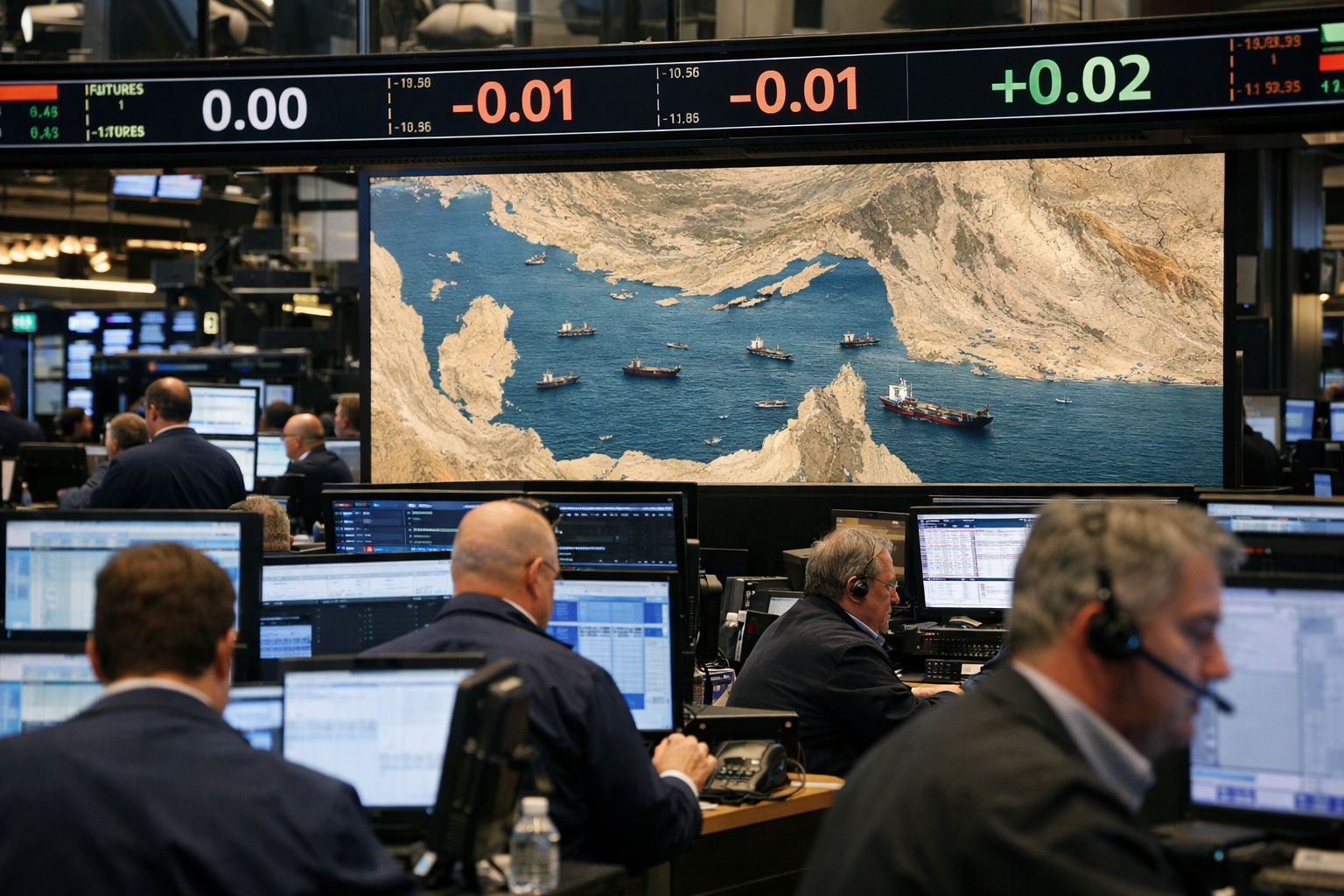
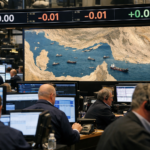
The strait, which handles about 20 per cent of the world’s petroleum supply, has been mostly closed since the US and Israel launched their war against Iran in February, triggering a global energy crisis.
The US has also committed to withdrawing its military forces “from the proximity” of Iran within 30 days after a final deal is reached.
A second senior US official said that after the US and Iran hold nuclear negotiations, they will discuss “regional stability and the funding of proxies”.
The second US official said Trump would “not be afraid” to use the “tools at his disposal” against Iran should the warring countries fail to “make a great deal”.
“The meeting this weekend in Switzerland will be quite critical in order to kind of really see how we get to the next phase,” the second official added.
Source:
www.ft.com