




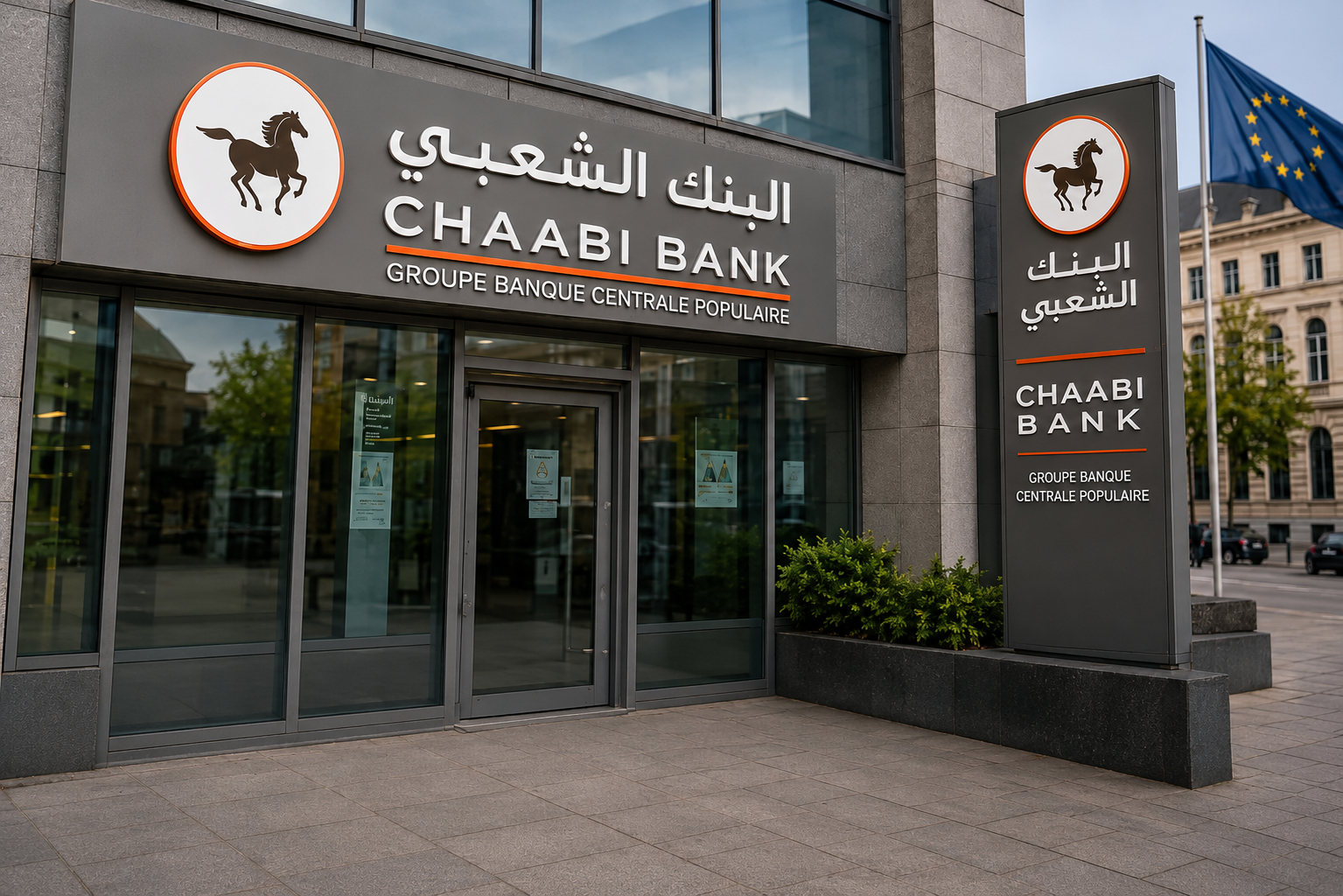
The Brussels Correctional Court approved, on June 8, 2026, a criminal settlement amounting to 175.2 million euros concluded between the Belgian Federal Prosecutor’s Office, the Banque Centrale Populaire (BCP), its subsidiary Banque Chaabi du Maroc, and several of its executives. This decision puts an end to one of the most significant financial proceedings involving a Moroccan banking institution in Europe.
The case stems from an investigation opened by Belgian authorities into activities conducted in Belgium between 2003 and 2022. According to the Federal Prosecutor’s Office, the investigations specifically targeted banking, credit, payment, and insurance activities that were allegedly carried out without holding all the authorizations required by Belgian regulations.
For nearly twenty years, Banque Chaabi played a central role in financial relations between Morocco and its diaspora settled in Belgium. Serving tens of thousands of customers, it became over the years a key player in financial transfers, savings, and investments for Moroccans residing abroad. It is precisely this economic and social importance that gives this case a unique dimension.
The investigation led by Belgian authorities involved searches, the analysis of thousands of financial documents, and the scrutiny of operations involving particularly large sums. The allegations did not involve the misappropriation of client funds or a challenge to the institution’s financial stability, but rather the regulatory framework within which certain activities were allegedly conducted on Belgian territory.
Given the complexity of the case and the risks associated with a trial lasting several years, the parties ultimately chose the path of a criminal settlement. This mechanism, provided for under Belgian law, allows for the termination of prosecution in exchange for the payment of a sum negotiated and validated by the courts. It is important to recall that a criminal settlement does not constitute an admission of guilt on the part of the individuals or institutions concerned.
The amount of 175.2 million euros nevertheless reflects the seriousness with which Belgian judicial authorities viewed the case. It is one of the largest criminal settlements ever reached in the country in a case related to financial activities. This decision also illustrates the progressive tightening of European requirements regarding banking compliance, prudential control, and the supervision of cross-border activities.
For Banque Chaabi and its parent company, Banque Centrale Populaire, this agreement allows them to permanently turn the page on a legal dispute that had weighed on their operations in Belgium for several years. It also provides the essential legal clarity needed to continue their operations in a regulatory environment that has become particularly demanding.
From the clients’ perspective, no direct consequences are expected. Accounts, deposits, and banking services are not affected by this settlement. The banking group stressed that its financial solidity and its commitments to its customers remain unchanged.
Beyond its judicial aspect, this case also carries symbolic weight. For Belgium, it confirms the authorities’ determination to strictly enforce the rules applicable to all financial actors operating on its territory. For Morocco, it serves as a reminder of the growing importance of European regulatory requirements faced by domestic companies active internationally.
The closure of this case marks the end of a long judicial chapter and opens a new phase for one of the most emblematic banking institutions of the Moroccan community in Europe. While the settlement brings an end to the prosecution, it will undoubtedly stand as a major precedent in the history of financial relations between Belgium and Morocco.