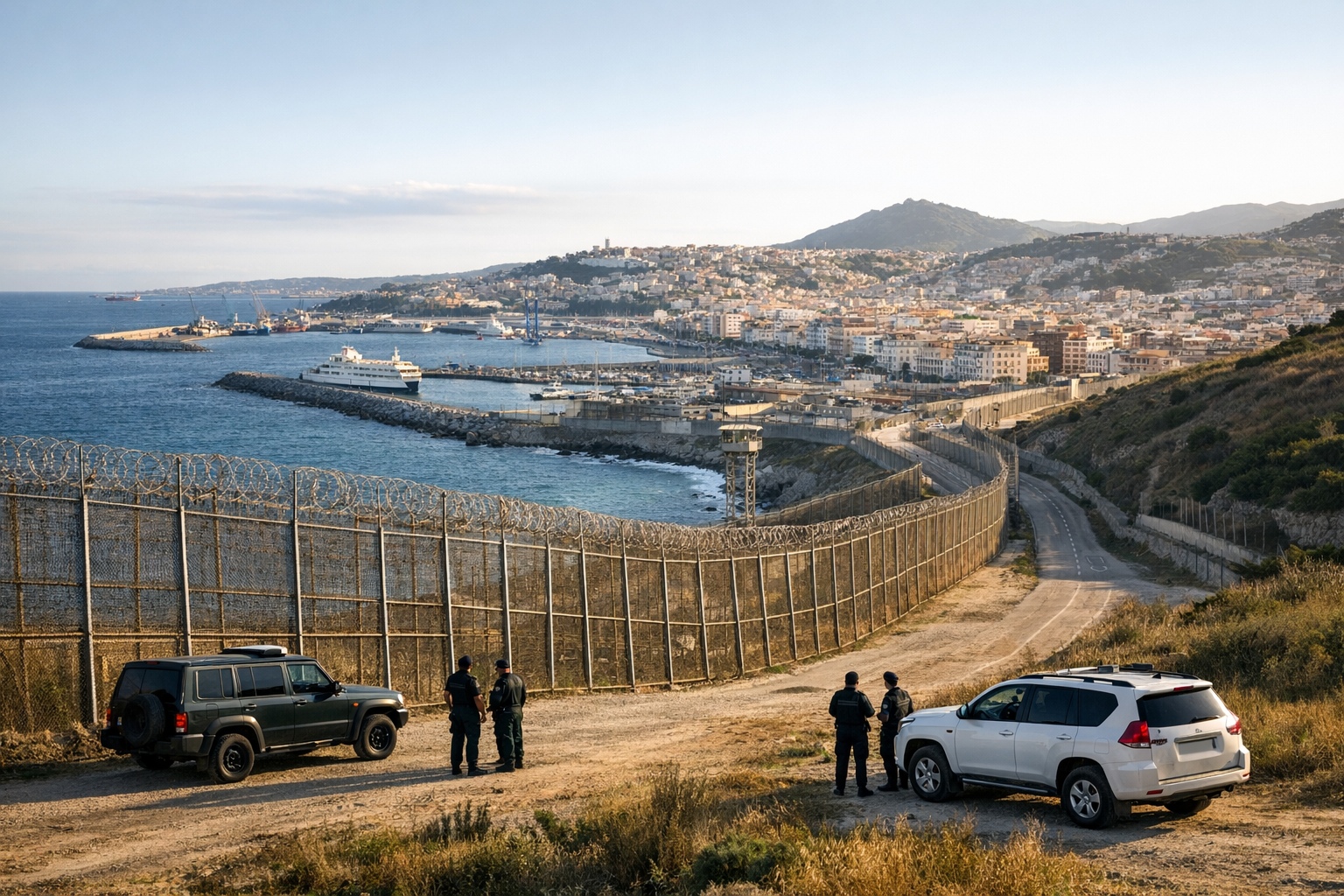









With Gaza plan stalled, policymakers face a clear choice about immediate priorities. The recent collapse of a Gaza-focused initiative leaves the prospect of preventing the next major escalation in the Palestinian-Israeli arena more urgent. A concentrated effort on the West Bank would address flashpoints where governance gaps, settler tensions and security breakdowns have repeatedly provoked violence. That terrain is closely linked to everyday stability inside Israel and to the capacity of Palestinian institutions to manage internal order and intercommunal tensions.
Effective action requires sustained engagement by the United States in coordination with regional partners and the parties on the ground. Restoring and reinforcing security coordination between the Israeli government and the Palestinian Authority, supporting civil institutions that deliver services, and backing measures that protect civilians can reduce the likelihood of rapid escalation. These are concrete, verifiable levers that have been used in the past to limit outbreaks of broader violence.
Diplomatic tools and conditional assistance remain central to a practical strategy. The U.S. role in facilitating dialogue, providing targeted economic and security assistance, and convening regional interlocutors can strengthen de-escalatory mechanisms. International monitoring, transparent reporting on incidents, and support for rule-of-law initiatives help legitimize nonviolent dispute resolution and make coercive responses less likely. Coordination with neighboring states and international organisations can amplify these efforts without requiring renewed comprehensive political agreements that currently lack consensus.
Reorienting attention to the West Bank does not eliminate the necessity of addressing conditions in Gaza over time, but it offers a narrower set of immediate, actionable steps to reduce risk. For any external actor, pragmatic, institution-focused engagement — conditioned on measurable progress and paired with diplomatic channels — provides the most direct path to preventing a wider conflagration. Sustained, multilateral involvement will be necessary to translate short-term stability into longer-term resilience for communities across the territory.