







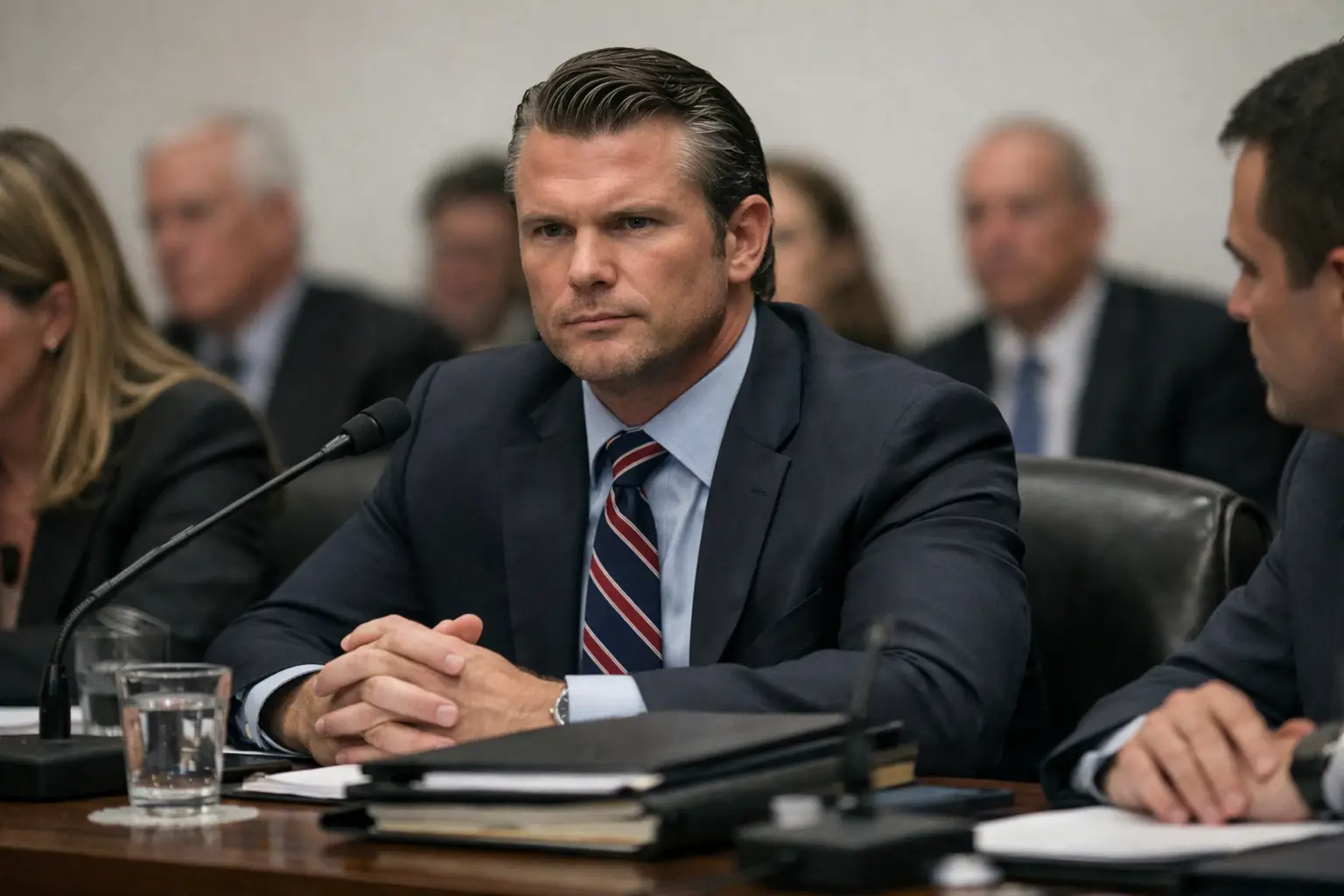
Impeachment charges against Hegseth have sharpened scrutiny of his leadership at the Pentagon, where his tenure is now associated with the loss of institutional experience and a deterioration in relations with Congress. The charges mark a significant escalation in political pressure on the defense secretary and place the management of the department at the center of a broader debate over accountability in U.S. politics.
The Department of Defense relies heavily on continuity, technical expertise and established chains of coordination across civilian and military offices. Senior departures or the erosion of experienced staff can carry consequences beyond internal administration, affecting planning, procurement, oversight and the daily work of national security management. In that context, criticism of Hegseth has focused not only on the political implications of the impeachment charges but also on the operational cost of losing years of accumulated knowledge inside one of the federal government’s most complex institutions.
The relationship between the Pentagon and Congress is central to American defense policy. Lawmakers authorize spending, conduct oversight and demand clarity from the department on strategy, readiness and the use of public funds. When trust between defense leaders and Capitol Hill weakens, routine cooperation can become more difficult, especially on matters requiring bipartisan confidence. The accusation that those channels have been damaged adds institutional weight to the political case now surrounding the defense secretary.
Impeachment charges against a senior official do not by themselves determine the outcome of the process, but they can reshape the environment in which an agency operates. For the Pentagon, the immediate issue is the extent to which leadership controversy affects credibility with Congress and stability within the department. The armed services, civilian employees and external partners depend on clear direction from the top; prolonged uncertainty can complicate decision-making even when core missions continue.
The case against Hegseth therefore reaches beyond one official’s political standing. It raises questions about stewardship of the department, the preservation of expertise and the working relationship between the nation’s defense leadership and elected oversight bodies. Those questions are likely to remain central as the impeachment process unfolds and as lawmakers assess the broader consequences for governance at the Pentagon.