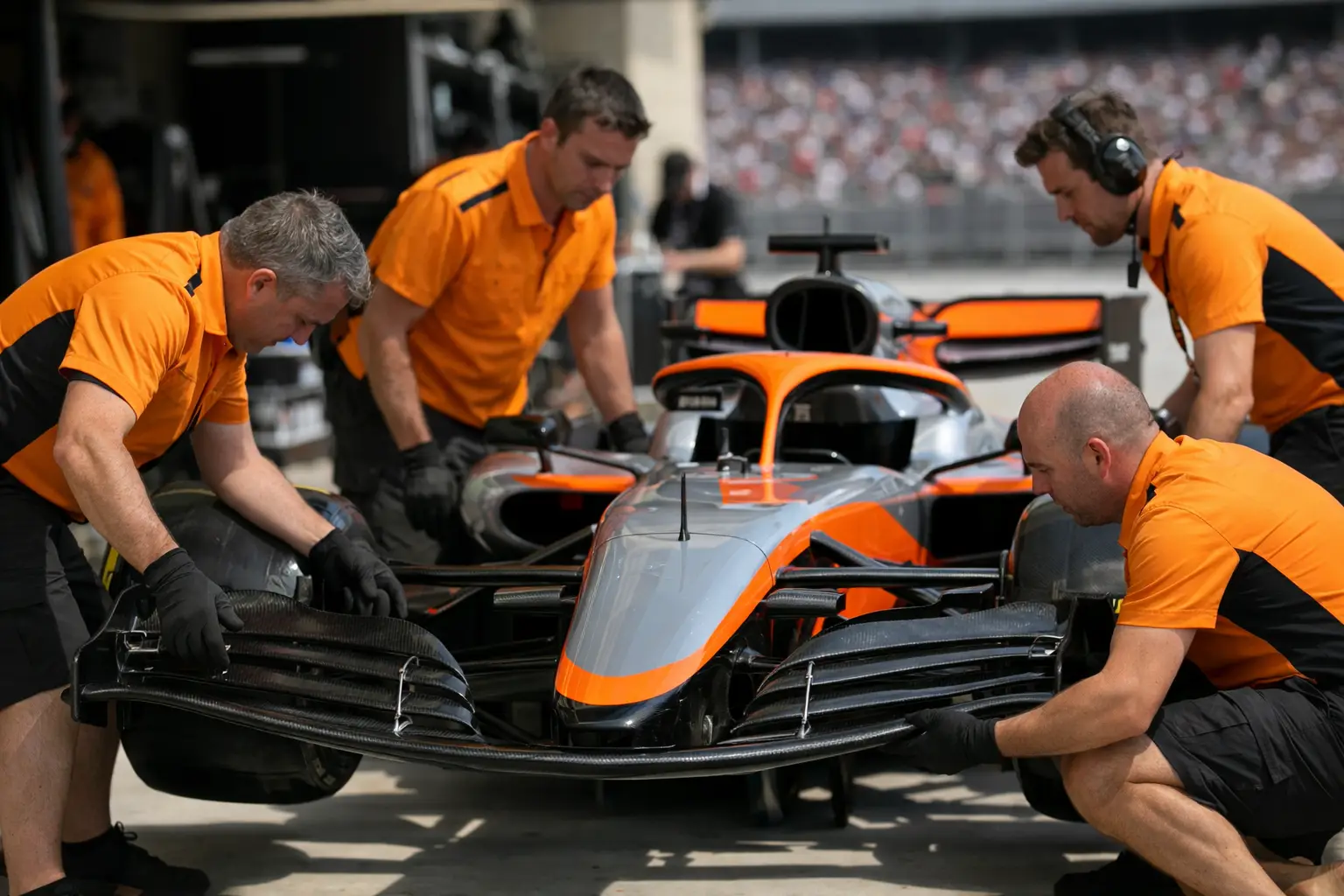









Driver market calm after new contract extensions for Max Verstappen and Lando Norris has given top teams greater short-term continuity on the Formula 1 grid. With the pair committed to their current projects, the most visible vacancies at the front of the field appear limited, reducing immediate reshuffle pressures among the championship contenders.
The confirmed deals mean fewer headline openings for the 2020s’ leading seats, prompting teams outside the very top to reassess recruitment strategies. Where formerly a sprint for elite places might have been expected, sporting directors and team principals now face a landscape with more emphasis on internal stability, contract management and long-term driver development rather than rapid marquee signings.
Nonetheless, several factual triggers can still prompt significant market movement. Historically documented causes include retirements, contract terminations or mutual departures, promotions from junior categories, and decisive changes in team ownership or manufacturer involvement. Regulatory upheavals overseen by governing bodies such as FIA can also alter team fortunes and driver valuations, while injuries or disciplinary bans produce immediate openings that require rapid replacement decisions.
For midfield outfits and junior contenders, the current equilibrium carries clear consequences. Reduced turnover at the top increases competition for the next available seats, elevating the importance of feeder series results, reserve-driver programmes and commercial fit. Teams may opt to prioritise continuity with established pairings or invest further in academy drivers to ensure readiness should an unexpected vacancy arise.
In sum, the new contracts for Max Verstappen and Lando Norris have materially lowered the probability of headline signings in the near term, but they do not eliminate the structural factors that have driven past market upheavals. Contract clauses, off-track developments and unforeseeable events retain the capacity to reshape line-ups, meaning the driver market remains stable in appearance but potentially volatile beneath the surface.