






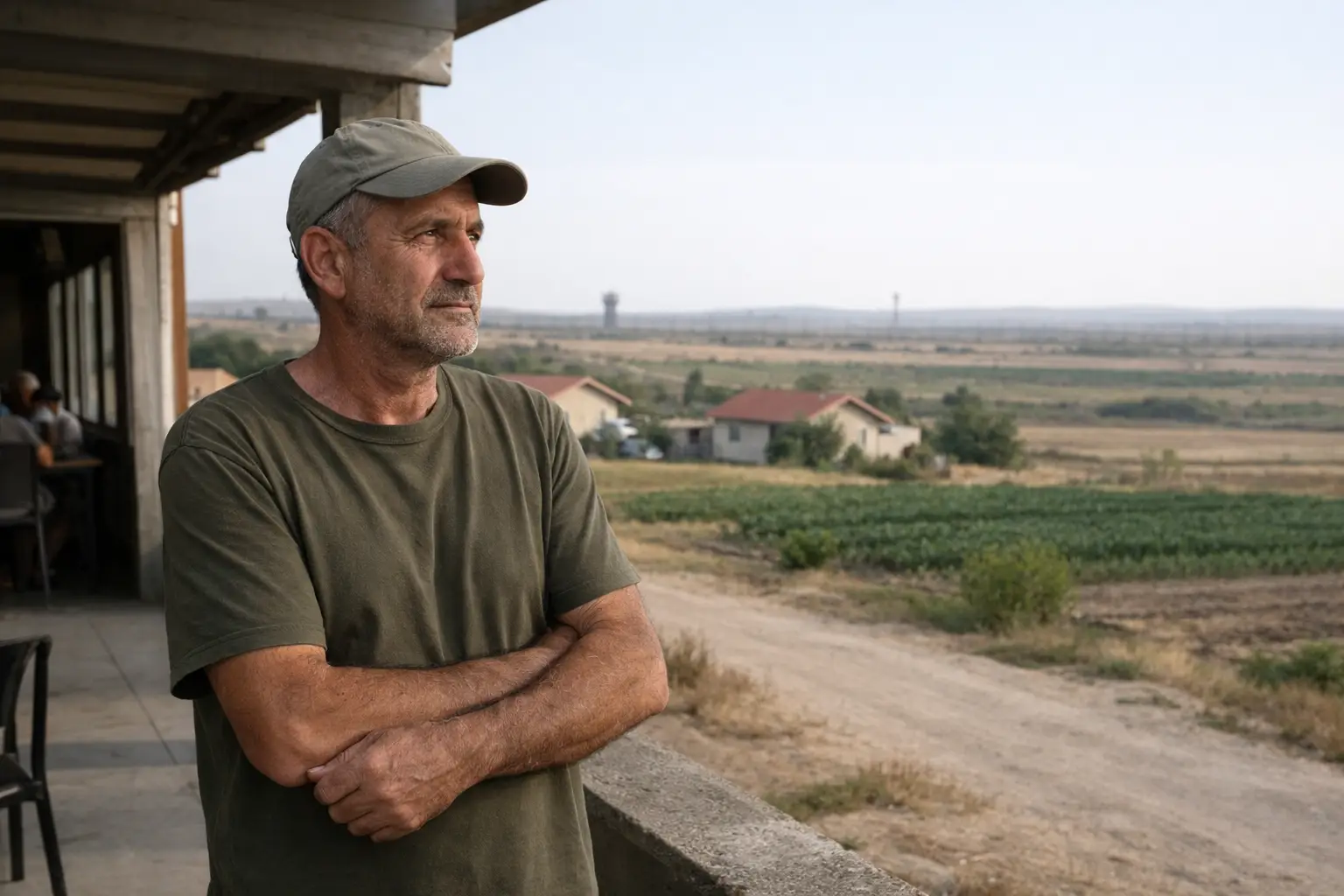
On a kibbutz only a few hundred metres from Gaza, Danny Rahamim weighs the political distance that now separates him from many around him. He describes himself as “probably the most left-wing person here,” a statement that carries sharper meaning after the attack of October 7, 2023, when Hamas fighters crossed the border and carried out the deadliest day in Israel’s history.
The setting matters. Kibbutzim have long been tied to a collective tradition and, in many cases, to a political culture associated with the Israeli left. In communities close to Gaza, that heritage has been tested by proximity to violence, personal loss and a transformed national mood. Rahamim’s reflection points to a broader tension: the values that shaped these communities have not disappeared, but they are being reconsidered in the shadow of an attack that altered everyday assumptions about security and coexistence.
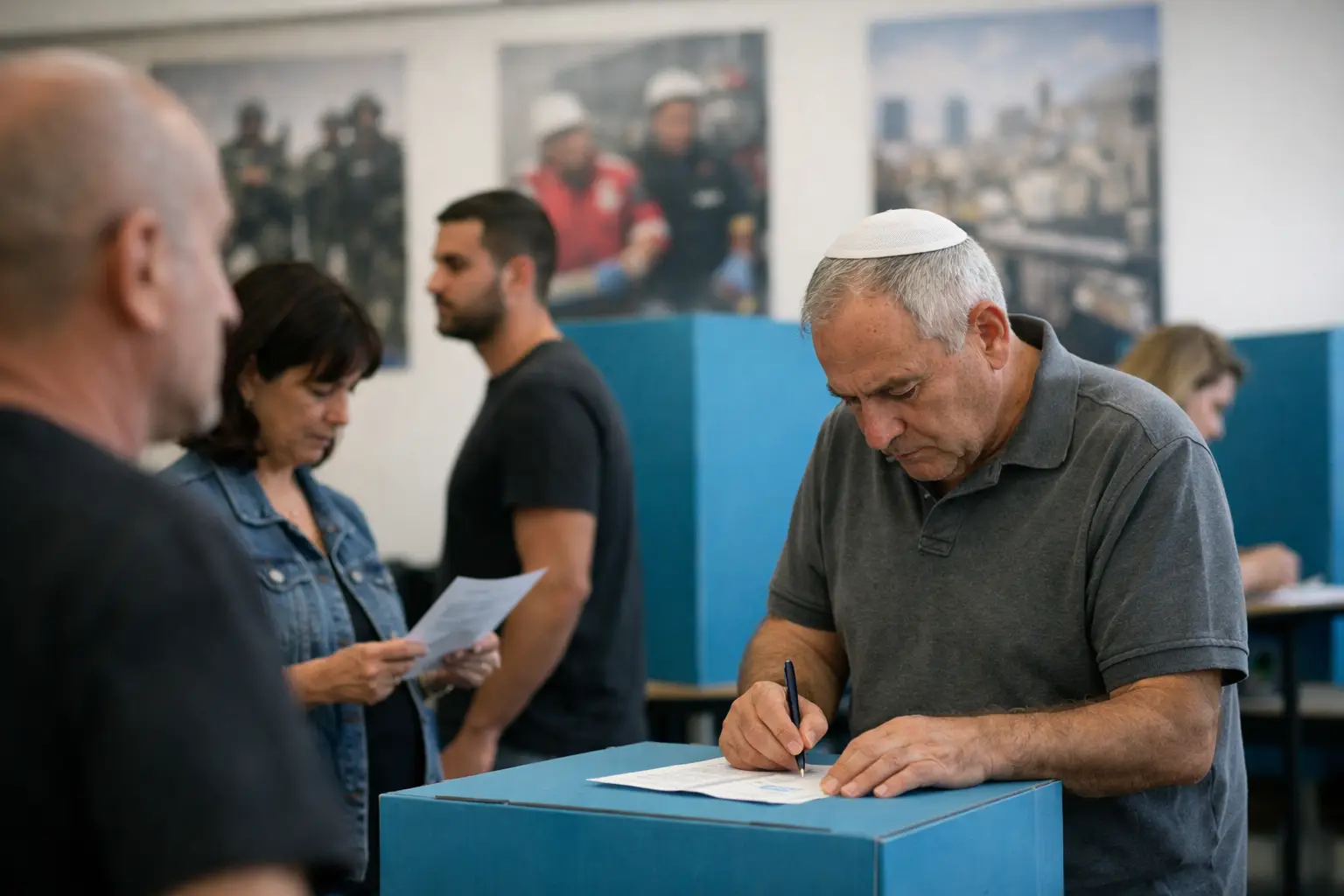
Israel is preparing to vote in its first election since October 7, giving political weight to changes already felt in border communities. The ballot comes after a period in which questions of security, governance and national identity have become more urgent across Israel. For voters in places near Gaza, those debates are not abstract. They are bound to the experience of living beside the frontier where the assault began, and to the memory of neighbours and communities directly affected by that day.
The election will also test how much space remains for left-wing positions in areas once associated with them. Rahamim’s comment does not define the views of an entire kibbutz, but it captures the sense of isolation felt by some Israelis whose political identity survived October 7 while the environment around them shifted. The challenge for parties and candidates is to address security fears without erasing the political traditions that have shaped these communities for generations.
Official institutions such as the Knesset and the State of Israel will frame the electoral process, but the deeper test is occurring in places like this kibbutz. There, the consequences of October 7 are measured not only in policy debates, but in the altered relationships between memory, ideology and personal security.