









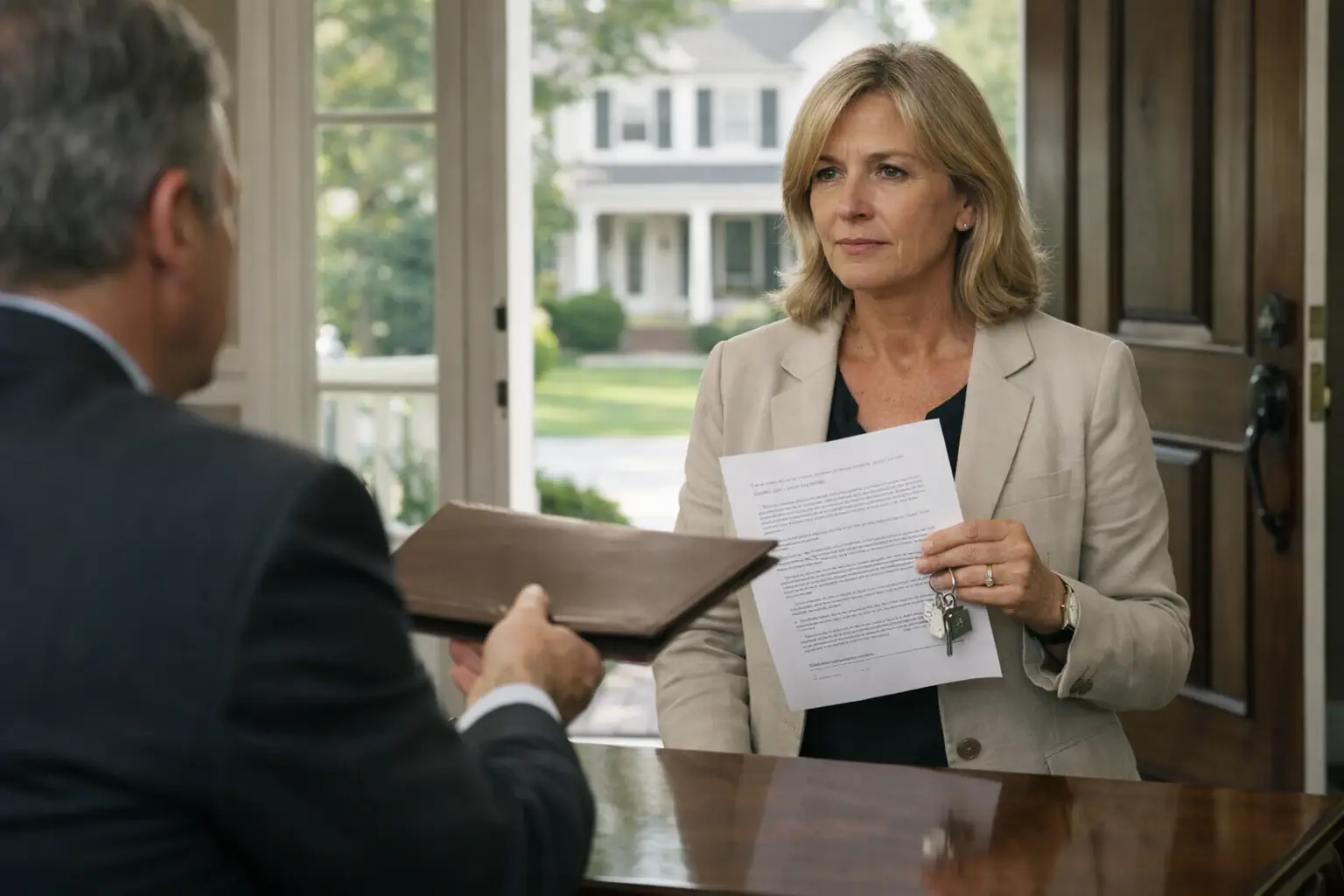
After 17 years together, a surviving partner was left a house valued at $1 million by their late companion. The partner says they never paid rent during the relationship but contributed about $45,000 toward a new kitchen and a roof. The deceased’s children have challenged the transfer, arguing they are entitled to a share of the property.
The resolution will turn on documents and local rules that govern wills, cohabitation and inheritance. Where a will unambiguously leaves property to a named beneficiary, that bequest is typically honoured, but heirs can bring legal actions to contest a will or to assert statutory rights. Claims can also arise outside the will: courts may consider whether a non‑owner cohabitant has an equitable interest, or whether principles such as unjust enrichment or a constructive trust apply. Disputes over distribution usually proceed through probate court or equivalent estate processes, where judges review evidence and legal arguments.
Practical outcomes vary. A court can uphold the will, order part of the estate to be set aside for dependants, require monetary compensation for contributions to the property, or in some cases approve a sale to divide proceeds. Litigation can be lengthy and costly, and outcomes depend on the strength of documentary proof such as receipts, contracts, or correspondence showing intended ownership or reimbursement agreements. Parties commonly seek mediation or settlement to avoid protracted proceedings. Readers seeking background on similar matters can consult resources on inheritance and estate disputes to understand typical steps and timelines.
The case highlights a wider practical point: long partnerships without formal legal arrangements can generate contested outcomes when a partner dies. Clear estate planning, explicit wills, joint ownership arrangements or cohabitation agreements can reduce uncertainty. Keeping written records of significant financial contributions and seeking legal advice early are routine measures that help clarify rights and reduce the likelihood of contested estates.