






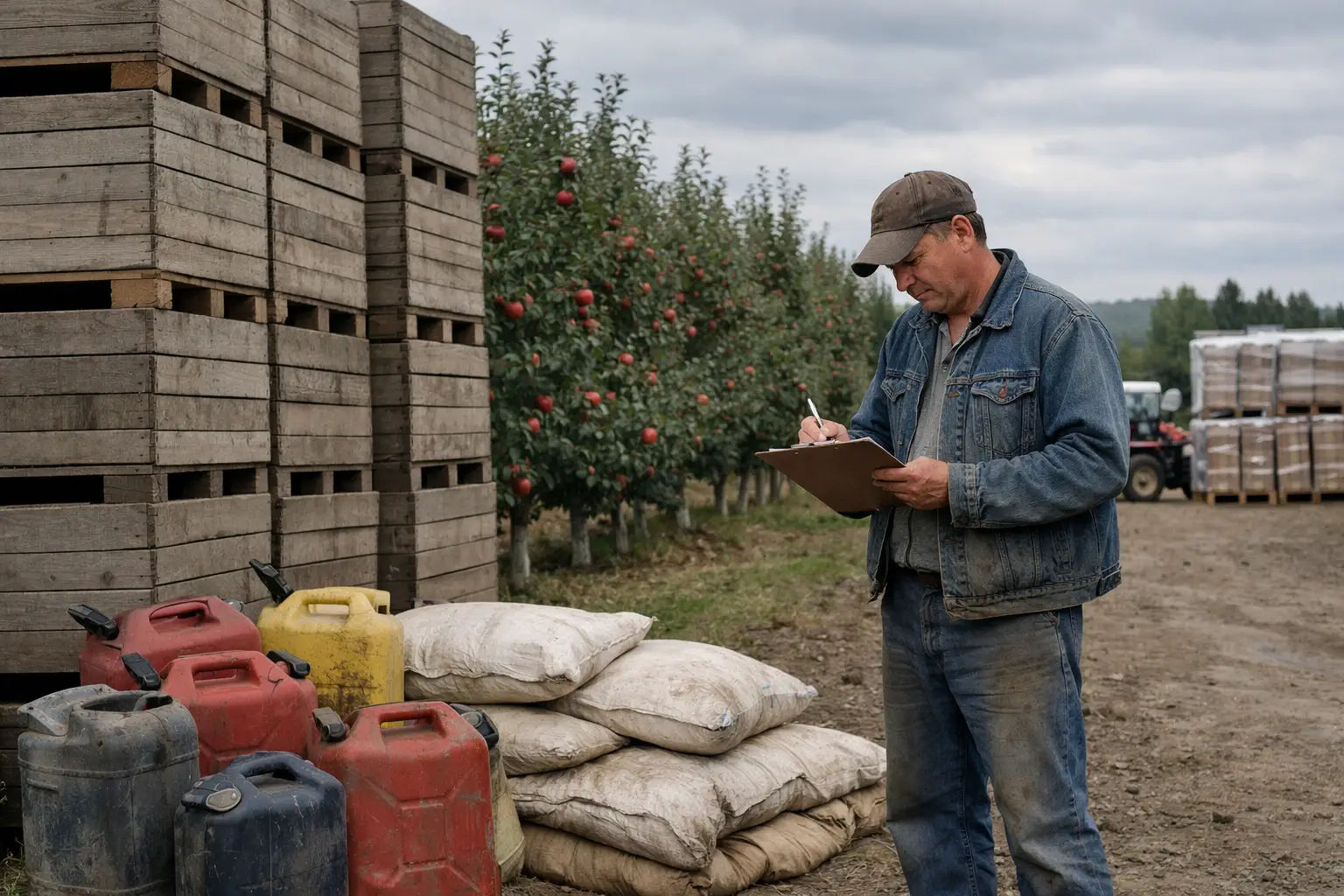
Washington’s apple orchards sit at the center of one of the most important fruit businesses in the United States. The state’s apple industry is valued at about $9 billion and produces more than 70% of the country’s fresh apples, making shifts in its economics significant far beyond the Pacific Northwest. Growers are now contending with a convergence of pressures: elevated fuel bills, fertilizer costs, tariffs and a strong dollar that reduces the purchasing power of overseas buyers.
The pressure is especially acute because apple farming requires large, recurring investments before a crop reaches the market. Fuel is needed to operate equipment and move fruit through harvesting, packing and distribution. Fertilizer expenses affect orchard management decisions throughout the season. These costs arrive before growers know what final prices will be in domestic or foreign markets, leaving farms exposed when margins narrow. For a sector built on volume, quality standards and long supply chains, even incremental increases in inputs can reshape profitability.
Trade conditions add another layer of difficulty. Tariffs can influence the price at which American apples compete abroad, while a strong US dollar makes the same shipment more expensive for buyers using other currencies. That matters for Washington because fresh apples are not only a staple of grocery shelves at home but also a product tied to export demand. When foreign purchasing power weakens, growers and packers may face tougher negotiations, slower demand or greater competition from suppliers in other countries.
The scale of Washington’s role means the strain is not confined to individual orchards. Packing houses, transport companies, cold-storage operators and rural communities are tied to the same crop cycle. Official agricultural bodies such as the US Department of Agriculture and the Washington State Department of Agriculture track parts of this broader food economy, where input costs and market access can determine how competitive producers remain. In the near term, Washington growers face a difficult balance: maintaining the quality expected of the nation’s leading fresh apple region while absorbing costs and trade conditions largely outside their control.