









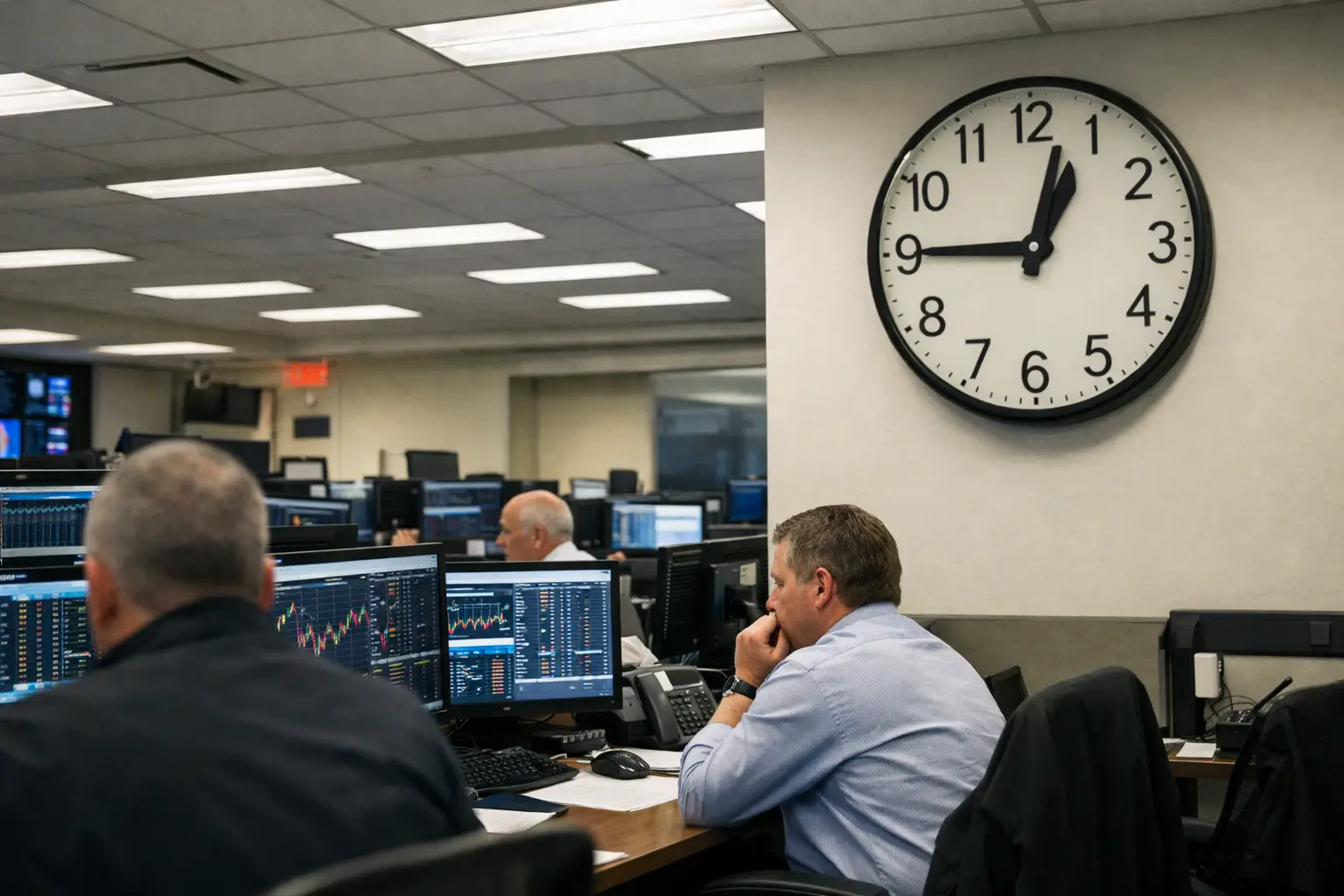
Wall Street does trade on Black Friday, but not on a normal schedule. After closing for Thanksgiving, the main U.S. stock exchanges typically reopen the following day for a shortened session. The NYSE and Nasdaq list an early close at 1 p.m. Eastern Time for equities on the day after Thanksgiving, rather than the usual 4 p.m. finish. That makes Black Friday an unusual trading day: markets are open, but activity is compressed into fewer hours.
The abbreviated session matters because many investors, traders and corporate offices operate with reduced staffing around the U.S. holiday. As a result, liquidity can be thinner than on a standard weekday, meaning fewer shares may change hands and price moves can be more sensitive to individual orders. The day is still part of the official trading calendar, so listed stocks, exchange-traded funds and many options can move in response to company news, economic developments or global market shifts while Wall Street is operating.
Fixed-income markets follow a separate timetable. The bond market is not run by the stock exchanges, and its holiday recommendations come from the securities industry. The SIFMA calendar commonly recommends an early close at 2 p.m. Eastern Time on Black Friday for U.S. dollar-denominated debt markets. Investors holding Treasuries, corporate bonds or bond funds should therefore be aware that trading conditions may differ from those in equities, even though both markets are affected by the Thanksgiving holiday period.
For retail investors, the key practical point is timing. Market orders placed late in the day may not behave as expected if a platform, broker or asset class observes an early cutoff. Limit orders can help define the maximum purchase price or minimum sale price, especially during a session with lighter participation. Investors trading international assets should also remember that non-U.S. exchanges may operate normally, since Thanksgiving and Black Friday are U.S.-specific events affecting the stock market calendar in America.
The shortened Black Friday session has become part of the rhythm of the year-end trading period. It falls between a full market holiday and the final weeks of the calendar year, when portfolio adjustments, tax planning and lower attendance can all influence market behavior. The main answer remains straightforward: U.S. stocks are generally open on Black Friday, but the session ends early and is best treated as a holiday-affected trading day rather than a regular one.