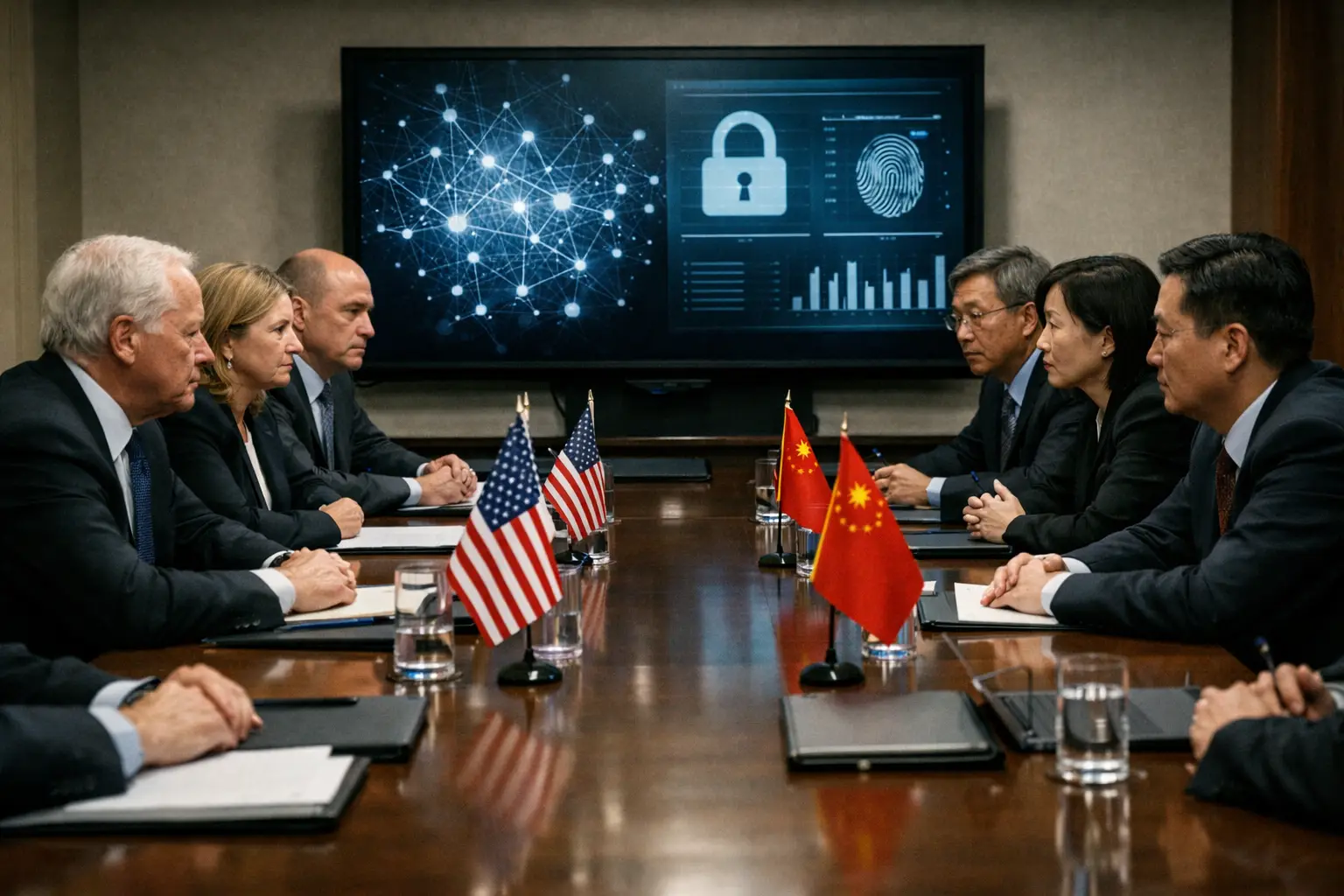







A guarded note of optimism is entering the debate on global politics in 2026. The central idea is simple but notable: after a prolonged period marked by instability and distrust, international affairs may no longer be defined only by decline. That does not amount to a declaration that crises have ended. It reflects a shift in emphasis, from permanent alarm to a more balanced reading of political developments.
The relevance of such a message lies in its timing. Public discussion of world affairs has often focused on conflict, polarization, institutional weakness and the erosion of confidence in democratic systems. Against that backdrop, an argument built around reasons for gratitude carries political weight because it challenges the assumption that deterioration is inevitable. In international affairs, perceptions matter: they influence voters, governments, investors and the willingness of states to engage in negotiation rather than retreat into confrontation.
A positive reading of 2026 does not erase the unresolved pressures facing governments. Security risks, economic uncertainty, migration pressures and democratic fragility remain central issues across many regions. The more credible version of optimism is therefore not triumphal. It is cautious, limited and tied to the idea that political systems can still produce openings for cooperation, resilience and reform. That distinction is important because optimism, when separated from evidence, quickly becomes rhetoric.
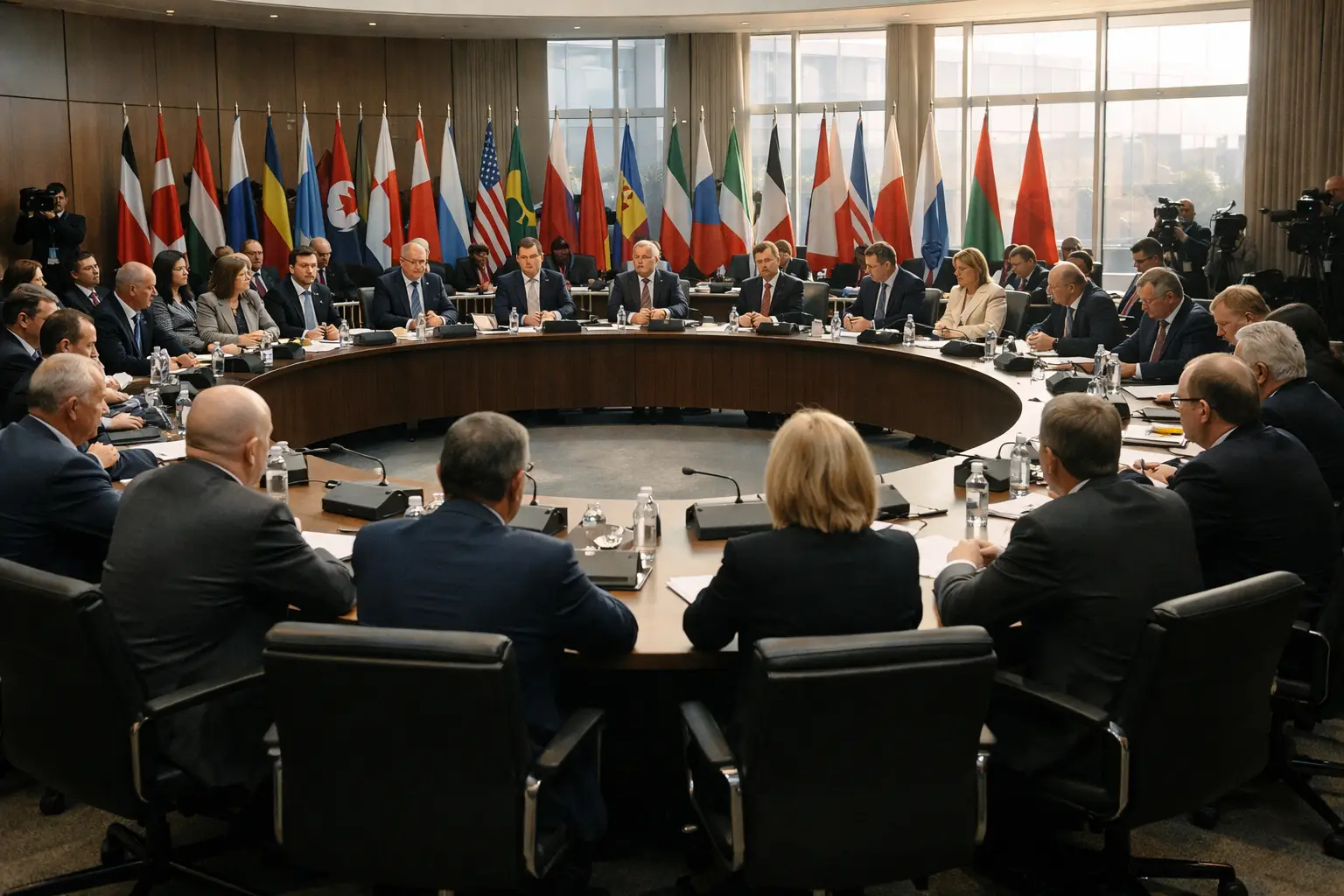
Institutions remain a key part of that picture. Bodies such as the United Nations continue to provide formal channels for diplomacy, humanitarian coordination and international debate, even when consensus is difficult. Their presence does not guarantee solutions, but it keeps negotiation within a recognized framework. In fragmented political environments, that basic function becomes more significant, particularly when governments face pressure to act unilaterally.
The broader significance of the 2026 optimism narrative is not that the world has become stable, but that political analysis may be widening beyond crisis management alone. A responsible account of the year must still acknowledge danger and division. Yet highlighting constructive trends, institutional endurance and the possibility of cooperation can help restore a measure of perspective. In a period shaped by uncertainty, even restrained confidence is a political fact worth examining.