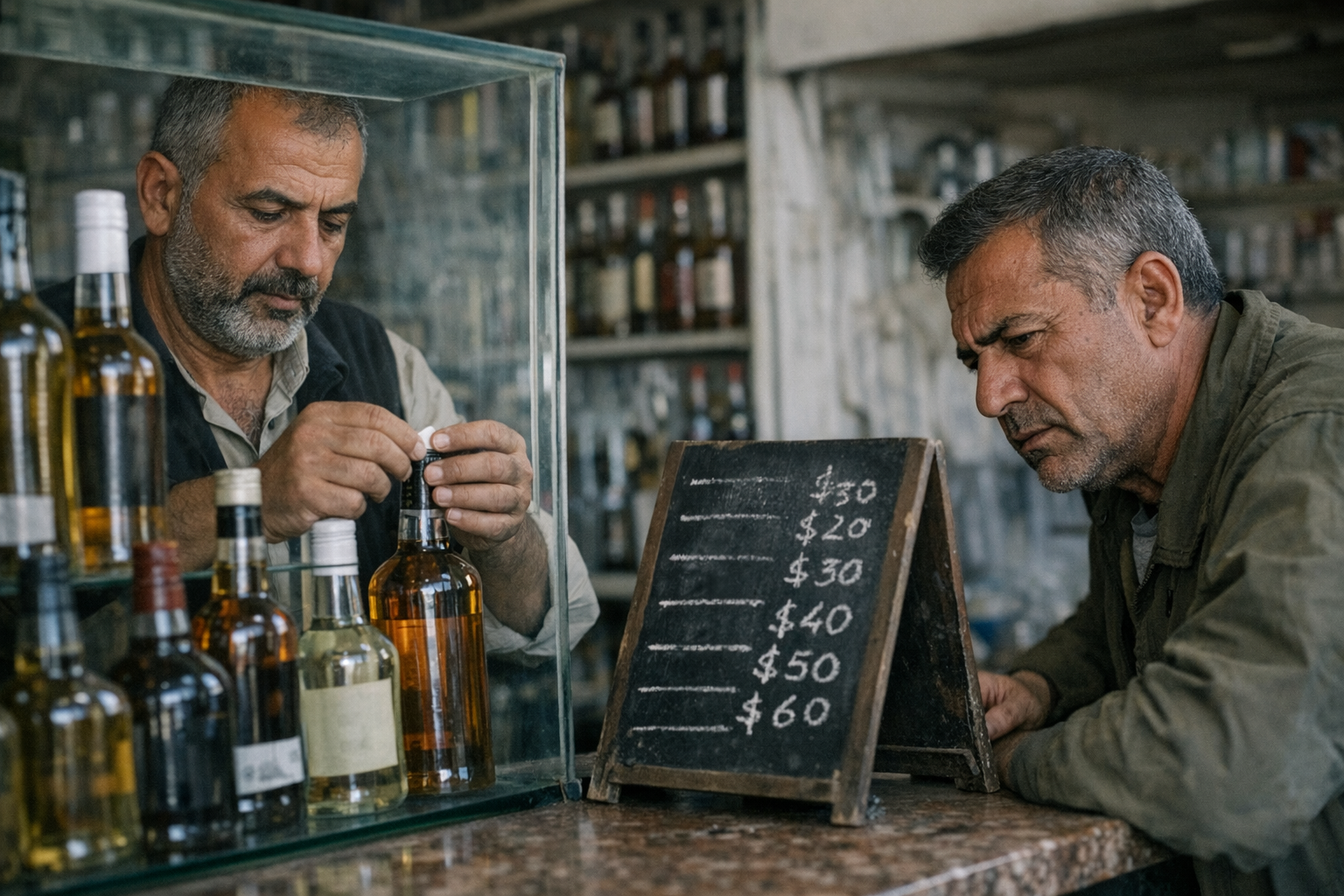
At a small shop in northeast Syria, Ayaz Ibrahim carefully wiped dust from rows of drink bottles that few customers now buy. Local traders say the cost of alcoholic beverages has climbed since the imposition of fresh rules by Islamist authorities, leaving some inventory gathering dust and reducing foot traffic for businesses that once relied on modest sales of such goods.
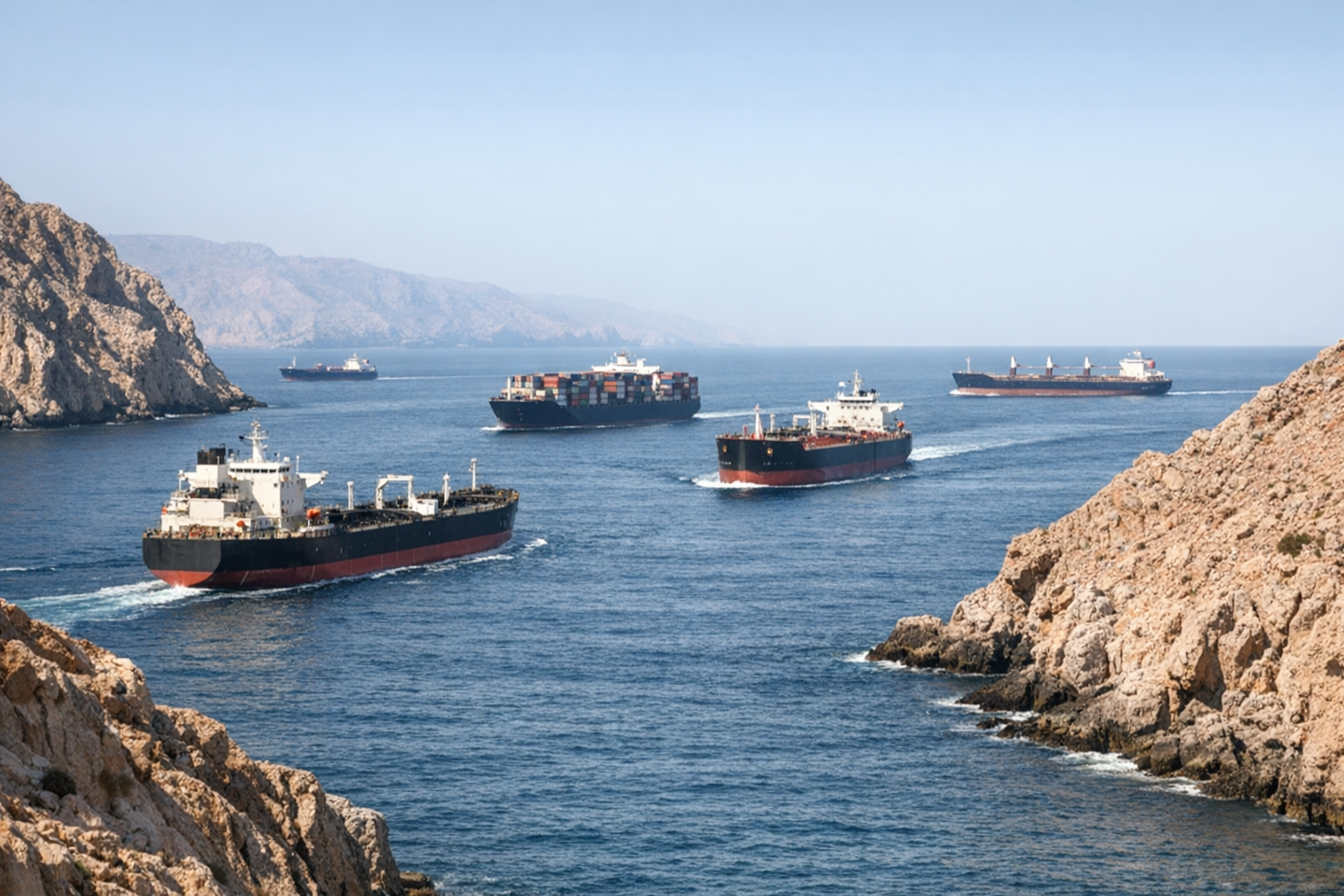
The economic strain follows a political shift earlier this year, when Damascus assumed control of the Semalka border crossing in April under an agreement to incorporate Kurdish military and civilian institutions into the state. The move affected cross-border traffic through the crossing with Iraq, altering logistics and regulatory oversight for goods that move into the region, which is home to many Kurds.
Shopkeepers and residents describe a mix of supply disruptions and new compliance costs that have pushed retail prices higher. For small merchants who stock a range of everyday items, the shift in market conditions has translated into narrower margins and fewer impulse purchases. Consumers report scaling back nonessential spending as familiar products become less affordable or harder to source under the tightened rules.
The developments illustrate how changes in governance and border management can have immediate, tangible effects on local markets and daily life. As authorities implement and enforce the new regulatory framework, traders and households are adjusting their purchasing and stocking habits. Observers note the situation remains fluid as the region adapts to altered administrative oversight and its economic consequences.