



Recent U.S. strikes across Iran late on Tuesday have brought renewed focus to the conflict’s impact on civilians, with Iranian authorities reporting 18 people killed and 108 wounded. The Iranian Health Ministry provided the casualty figures for the strikes that hit multiple locations, and medical services in affected areas were mobilized to treat the injured.
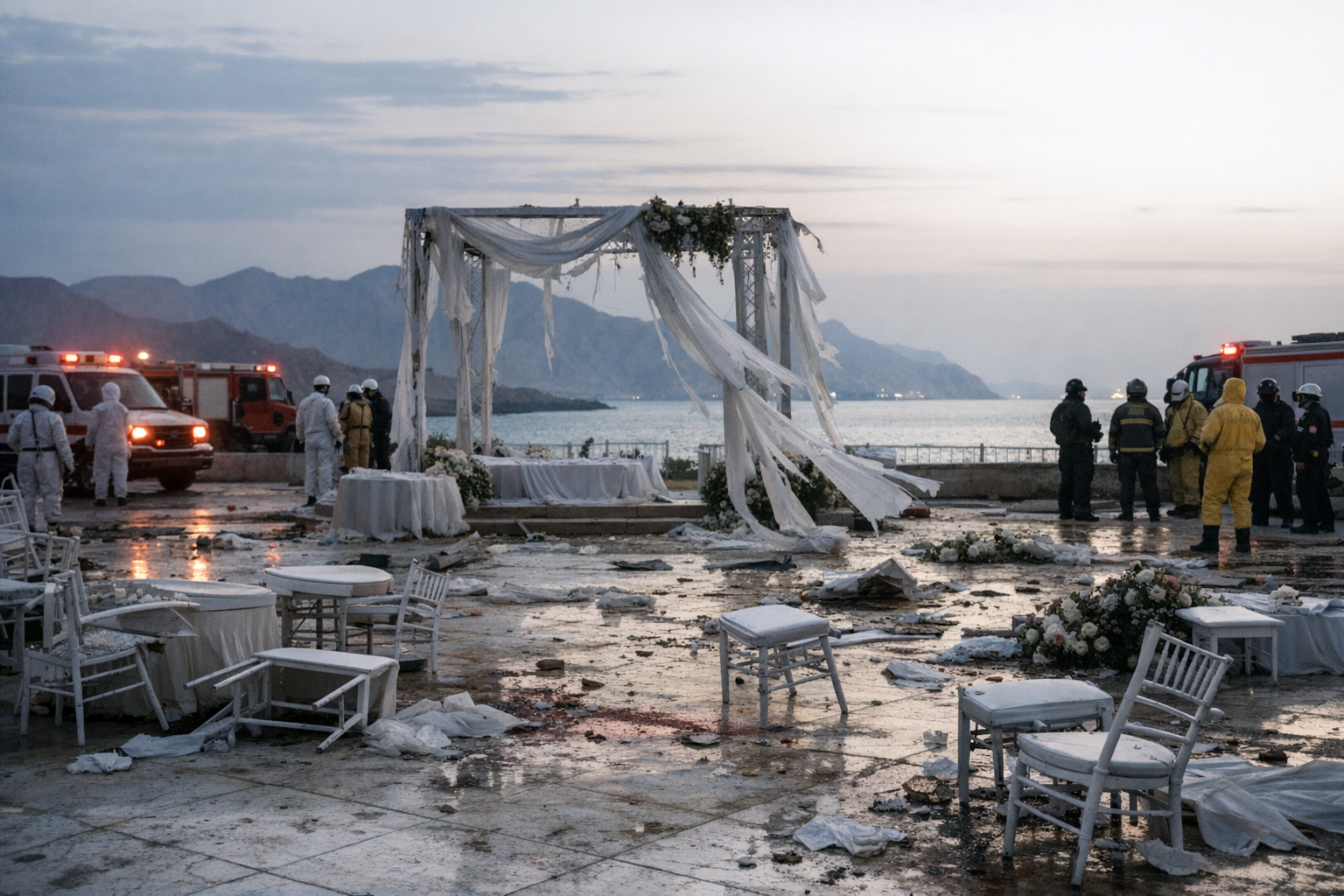
Iranian Red Crescent officials said the dead included four people who were attending a wedding ceremony near the coast of the Strait of Hormuz, and that 67 others were wounded there. The coastal venue is a strategic and populated corridor for maritime traffic, and the reported casualties at a social gathering highlight the vulnerability of non-combatants when hostilities escalate.
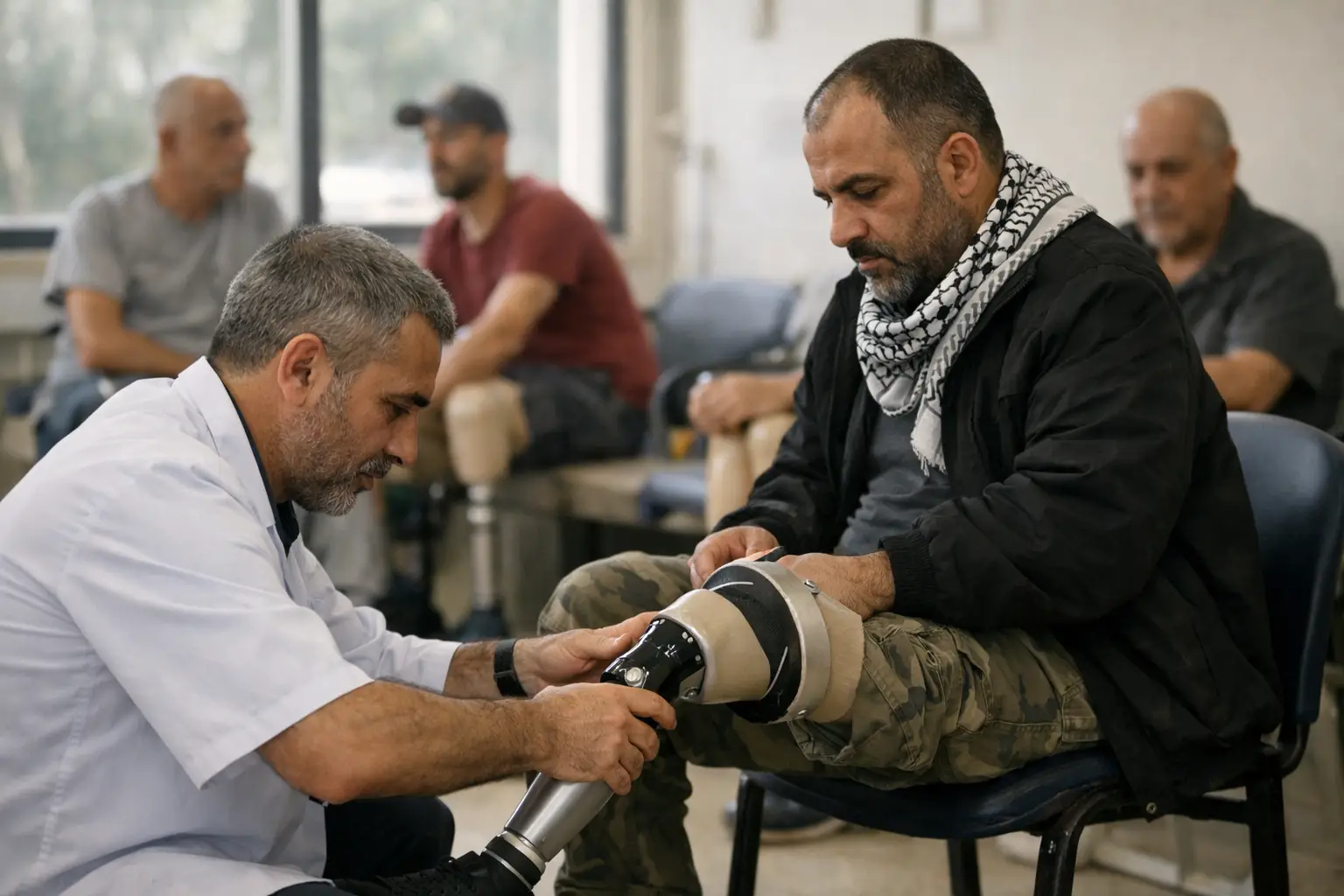
The numbers reported by Iranian authorities underline the immediate human cost of the recent operations. Hospitals and emergency responders in the affected provinces recorded transfers and treatments for dozens of people, and the influx of wounded patients is expected to strain local health services. The U.S. Department of Defense U.S. Department of Defense has not published a detailed casualty assessment for the strikes.
Beyond the immediate medical response, the incidents are likely to intensify scrutiny of measures to protect civilians in areas where military action takes place. Humanitarian organizations and regional authorities routinely monitor and report on civilian harm in conflict settings; sudden increases in casualties at public events such as weddings tend to prompt calls for clearer safeguards and access for relief teams.
The reported toll from Tuesday night’s strikes — 18 dead and 108 wounded overall, including the wedding victims — adds to broader concerns about the conflict’s trajectory and its effects on ordinary lives. Independent verification in active conflict zones can be difficult, and available figures typically come from government and relief agencies working on the ground. The immediate priority for local authorities remains care for the injured and assessing the full extent of damage in the communities affected.