









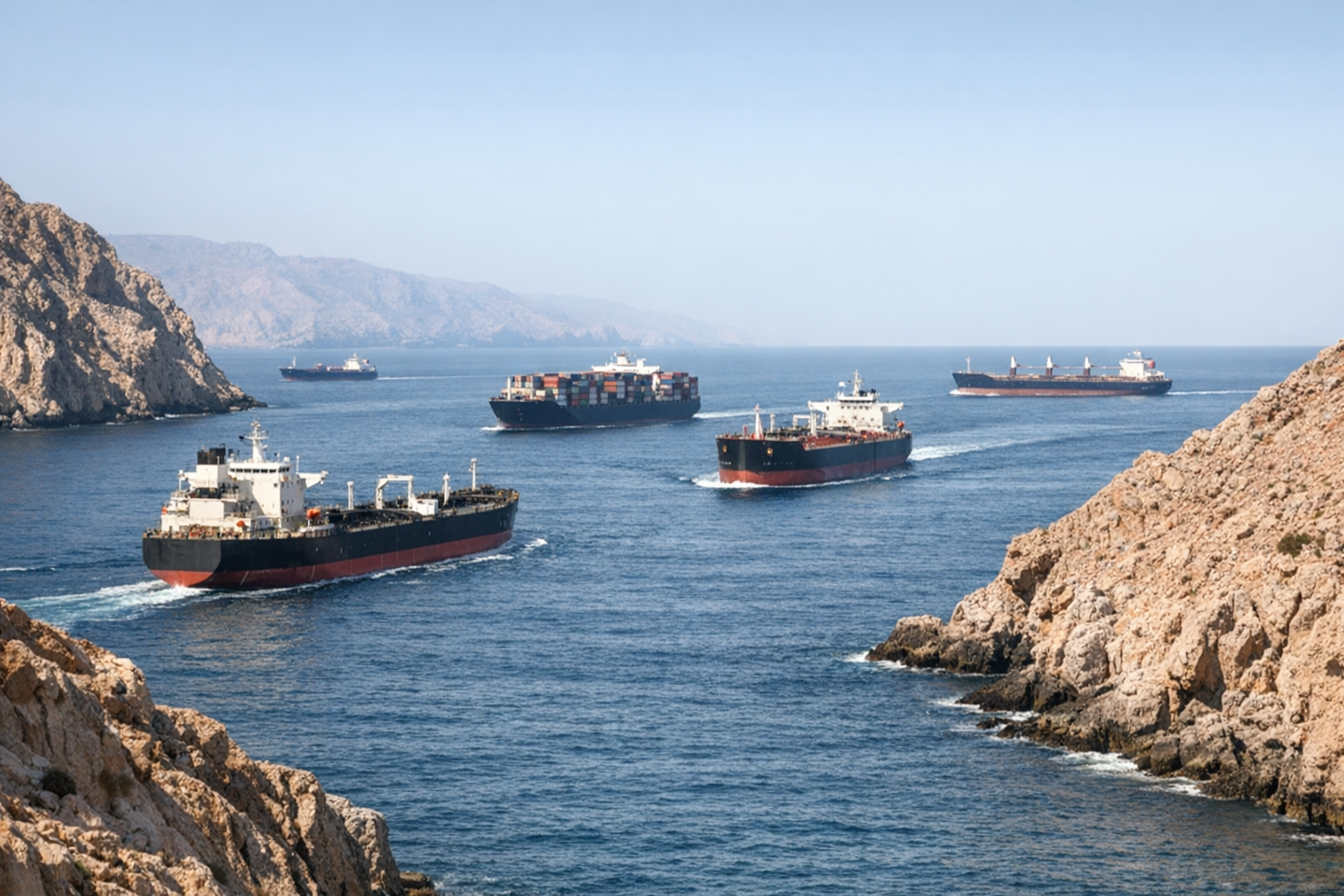
Vessel transits through the Strait of Hormuz were recorded at roughly five on Monday, according to preliminary ship-tracking data published by Kpler. That figure sits notably below the ten-day average of about 14 vessels tracked over the preceding period. The dataset showed four ships entering the waterway and a single vessel exiting during the 24-hour window, leaving overall traffic levels at the lower end of recent observations.
The Kpler count excludes vessels that transit with their automatic identification system transponders turned off, a limitation that can leave official tallies conservative. Such gaps are a familiar caveat for maritime analysts and commercial operators who combine multiple intelligence feeds, port calls and satellite information to build a fuller picture of movements. The shipping corridor’s activity is closely watched because even short-term shifts can reflect changes in scheduling, cargo routing or operational conditions in the region.
No liquid tankers were among the vessels recorded in Monday’s passages, a datapoint that suggests limited immediate movement of crude oil and related products through the strait on that day. While a single-day snapshot does not determine longer-term trends, the absence of tankers is of interest to market participants and logistics planners who track seaborne flows for supply and demand signals. Observers note that individual-day counts should be interpreted alongside broader datasets to avoid overreading isolated readings.
Maritime brokers, insurers and commodity traders continue to monitor successive Kpler releases and other intelligence to assess whether subdued transit levels represent a temporary lull or the start of a pattern. Given the strategic role of the strait as a conduit between the Arabian Gulf and wider international waters, even modest variations in recorded traffic draw attention from stakeholders across shipping and energy sectors. Analysts say trend analysis, rather than single-day figures, remains the most reliable guide for commercial and policy decisions.