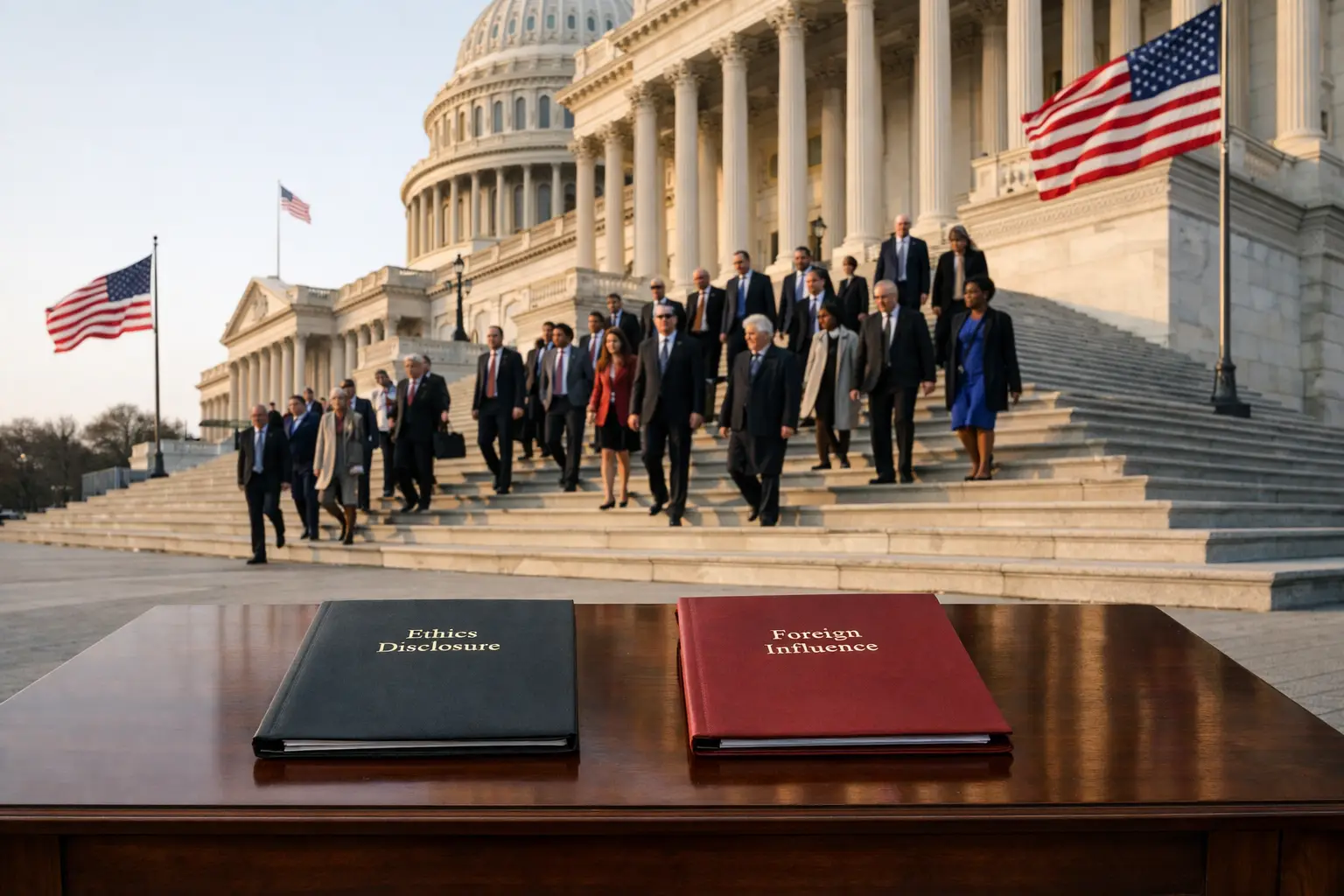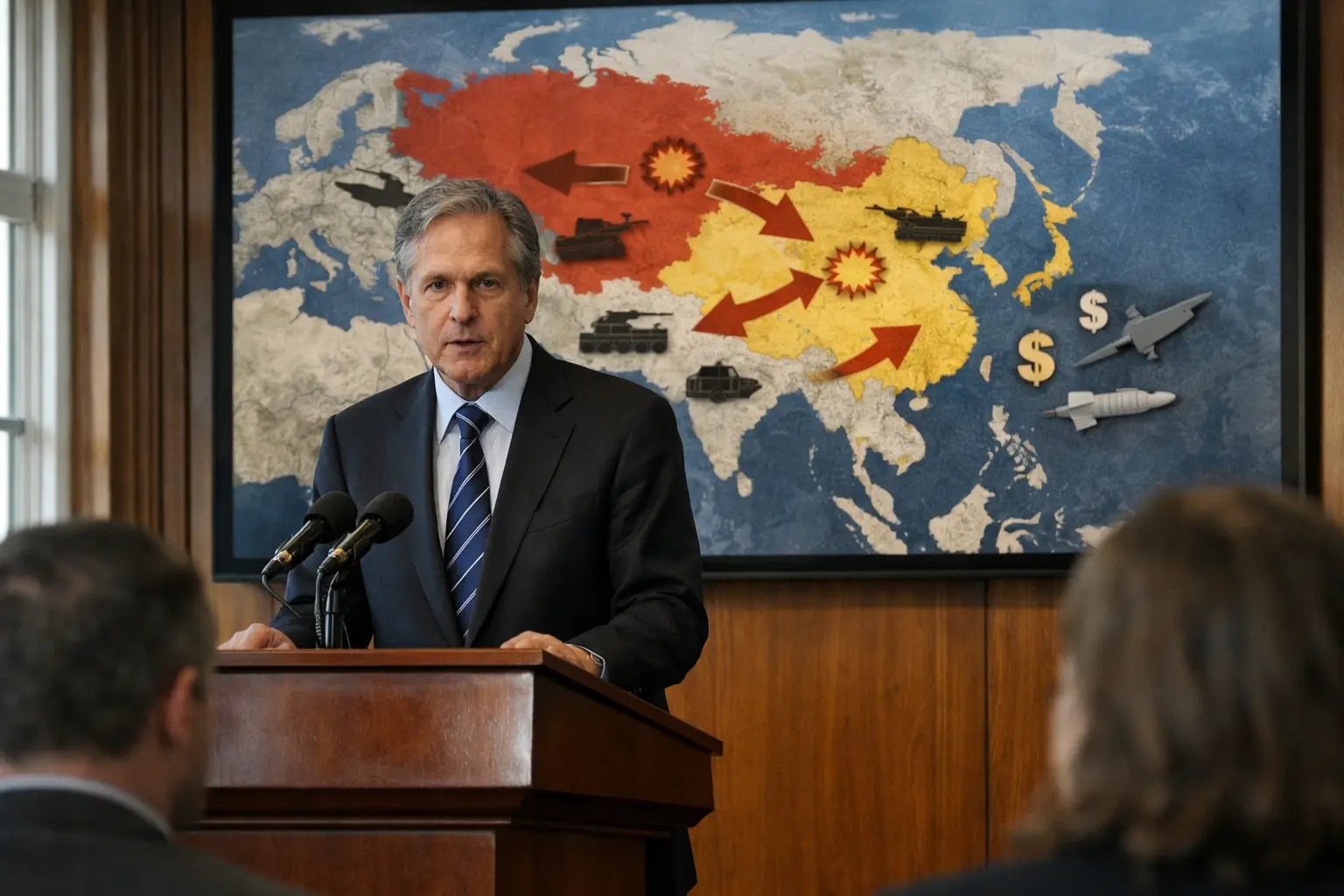










Growing scrutiny of Hegseth has raised fresh questions about leadership at the Pentagon. Critics argue that the defence secretary’s public behavior and messaging have sometimes emphasized spectacle over sustained policy work, eroding confidence among allies, lawmakers and career officials. Such critiques focus less on a single incident than on a pattern, according to observers who have called for a formal review of his conduct and capacity to execute core national security duties.
Those concerns intersect with the institutional role of the Department of Defense, which relies on continuity, clear strategy and the trust of uniformed leaders and international partners. If a secretary’s actions are perceived as undermining those pillars, consequences can include damaged alliances, muddled operational priorities and diminished morale across the ranks. Analysts note that defense strategy and force readiness are long-term undertakings that require steady managerial attention and expertise.
Institutional mechanisms exist to address such situations. The president has authority to replace a Cabinet secretary, and Congress can exercise oversight through hearings, budget control and public inquiry. Additionally, internal reviews and temporary administrative measures—such as placing an official on leave—are tools agencies can employ to preserve operational stability while questions are examined. Any formal step would follow established processes aimed at balancing accountability with continuity of command.
For policymakers and the public, the debate over Hegseth underscores broader questions about the attributes needed in senior defense leadership: subject-matter competence, disciplined communication and the ability to build consensus across the military, diplomatic and legislative spheres. How Washington responds will shape not only immediate personnel decisions but also perceptions of U.S. resolve and coherence on defense policy. Moving forward, transparent review and clear criteria for assessing performance will be central to restoring confidence without disrupting ongoing national security responsibilities.