








Zak Brown is turning to an unexpected source as McLaren looks to respond to a difficult end to its Formula 1 campaign. The team’s chief executive has said that advice from Novak Djokovic is being used inside the organisation as it tries to recover from losing both of its titles to Mercedes this season. For a team accustomed to operating under intense scrutiny, the reference to one of tennis’s most successful competitors highlights the growing value placed on elite-performance culture beyond the boundaries of motor racing.
The message from Brown is less about tennis technique than competitive mentality. Djokovic, whose career has been built on resilience, preparation and repeated success under pressure, offers a model that can translate into the demands of a Formula 1 season. In a championship environment where margins are measured in tenths of a second and operational errors can define entire weekends, McLaren’s leadership is seeking ways to sharpen its response after a campaign that ended with Mercedes taking the honours.
The loss of both titles gives the episode particular weight for McLaren. Formula 1 teams are judged not only by car performance, but by their ability to keep developing across a season, make effective strategy calls and maintain consistency across race weekends. Brown’s decision to draw publicly on advice from a figure outside motorsport suggests that the team’s review is not limited to engineering or race operations. It also reflects the importance of mindset, standards and recovery after underperformance.
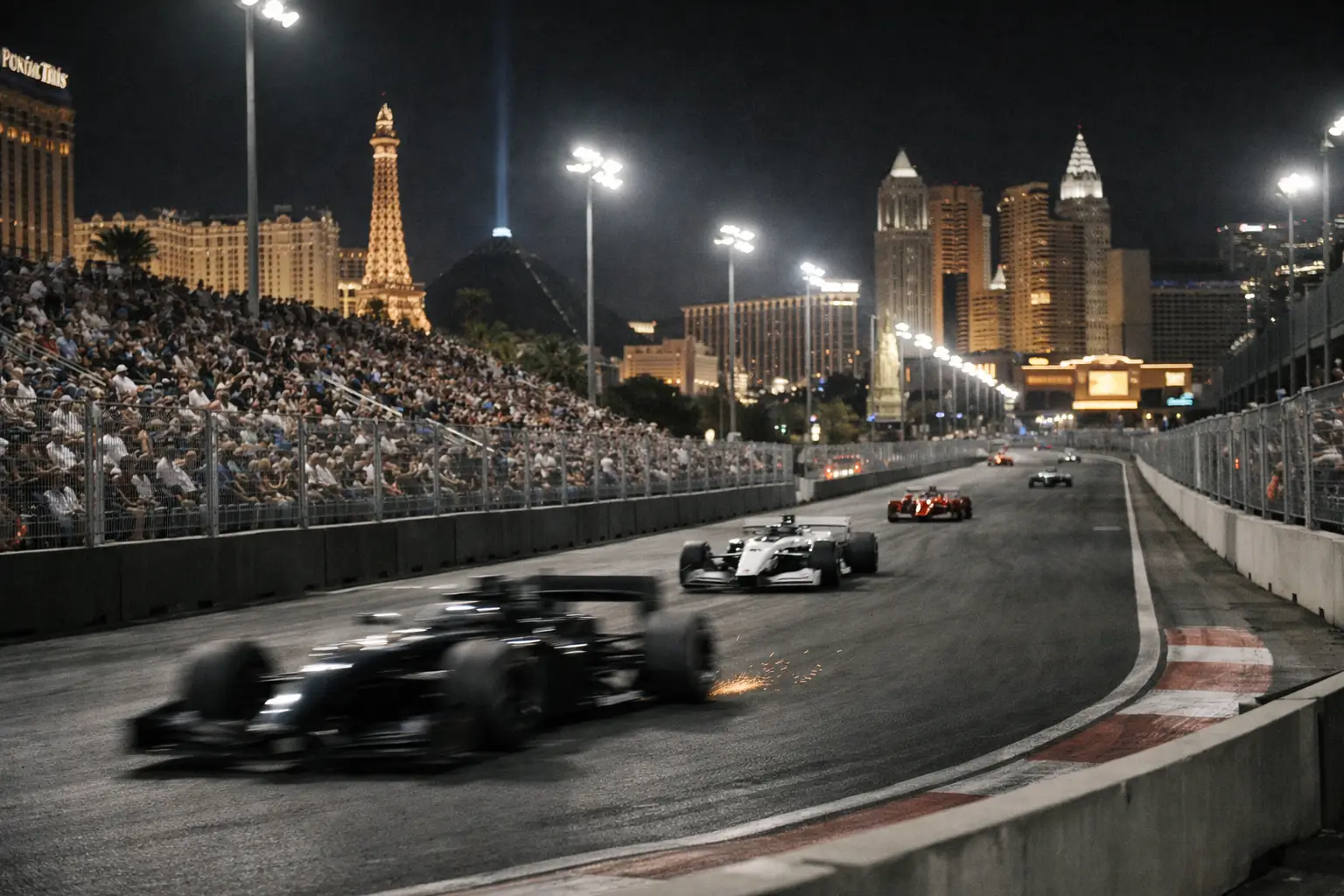
McLaren and Mercedes remain among the most recognisable names on the Formula 1 grid, with histories shaped by periods of dominance, rebuilding and renewed pressure. The official championship, governed by the FIA and promoted through Formula 1, leaves little room for prolonged reflection once a season ends. Team factories move quickly from analysis to preparation, and the lessons from defeat tend to influence decisions long before the next car appears in public.
For Brown, invoking Djokovic also sends a signal about the standards McLaren intends to apply internally. The challenge is to convert that guidance into measurable performance when racing resumes. After a season in which Mercedes claimed the titles, McLaren’s response will be assessed on track, where leadership messages, sporting philosophy and technical execution ultimately meet the same unforgiving test: results.