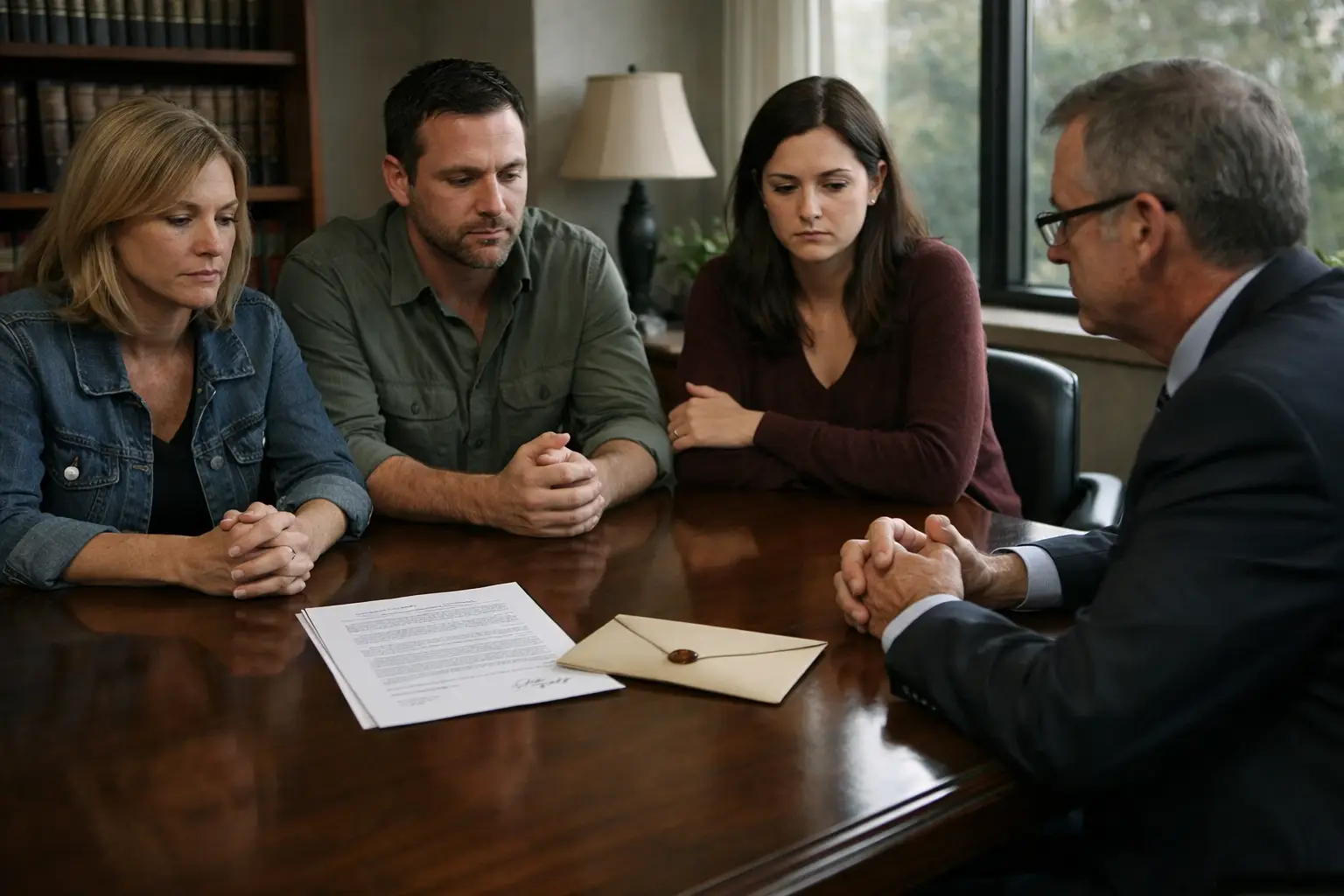










A survivor pension can look simple on paper: accept a smaller monthly benefit now, and if the pension holder dies first, a husband or other eligible beneficiary may continue receiving part of that income for life. In the case described, the surviving husband could receive between 50% and 66% of the original monthly benefit. The financial question is whether that protection is worth the permanent reduction in the retiree’s own payments.
The answer depends first on the rules of the specific pension plan. Traditional defined-benefit plans commonly offer a single-life annuity, which pays more each month but ends at the retiree’s death, and a joint-and-survivor annuity, which pays less but can continue for a spouse. The U.S. Department of Labor explains that survivor protections are a central feature of many workplace retirement plans, while the Pension Benefit Guaranty Corporation provides information on federally insured private pensions. Plan documents, not general rules of thumb, determine who can be named, how much the reduction will be and whether the decision can later be changed.
A spouse and a child are not usually treated alike in pension design. Spousal survivor benefits are often built into the annuity structure, while benefits for children may be more limited, tied to age, disability status or a fixed payment period, if available at all. That makes it essential to distinguish between naming a beneficiary for a retirement account and electing a survivor option under a pension. Individual retirement accounts and 401(k)-style plans may pass remaining assets to beneficiaries, but a lifetime pension is typically an insurance-like income stream with stricter elections.
The trade-off is also personal. A lower pension may be sensible if the spouse would depend on that income to cover housing, medical costs or basic living expenses after the retiree’s death. It may be less compelling if the spouse has substantial income of his own, significant savings or other dependable benefits. Health, age difference, debt, life insurance, taxes and expected retirement spending all affect the calculation. Public benefits can matter as well, but Social Security survivor rules are separate from employer pension elections and should not be confused with them.
For someone in their 40s, the most useful step is usually preparation rather than a rushed choice. Requesting the pension’s summary plan description, asking for written estimates under each option and confirming whether a child can legally qualify as a beneficiary can prevent costly misunderstandings later. A survivor pension is not simply a smaller check; it is a decision about which household risk matters more: maximizing income while both spouses are alive, or preserving income for the person left behind.