







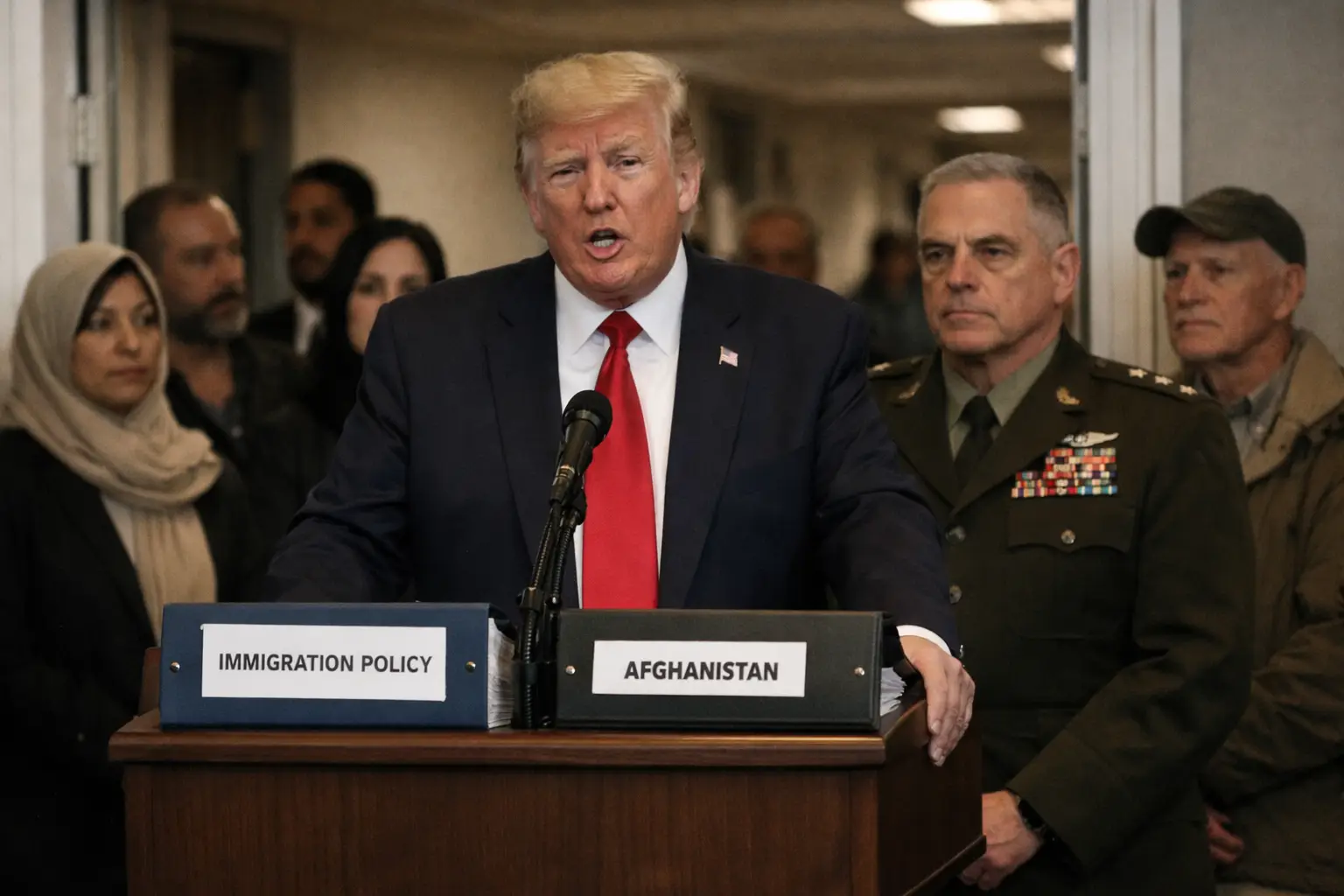
The Trump administration is preparing to deport some Afghan immigrants to Afghanistan, a move that would send a number of people back to a country now governed by the Taliban. A U.S. official and a coalition of veterans and advocacy groups confirmed the plan on Friday. The measure concerns Afghans facing removal from the United States, including people who left Afghanistan after the Taliban takeover in 2021 and the end of the American military presence there.
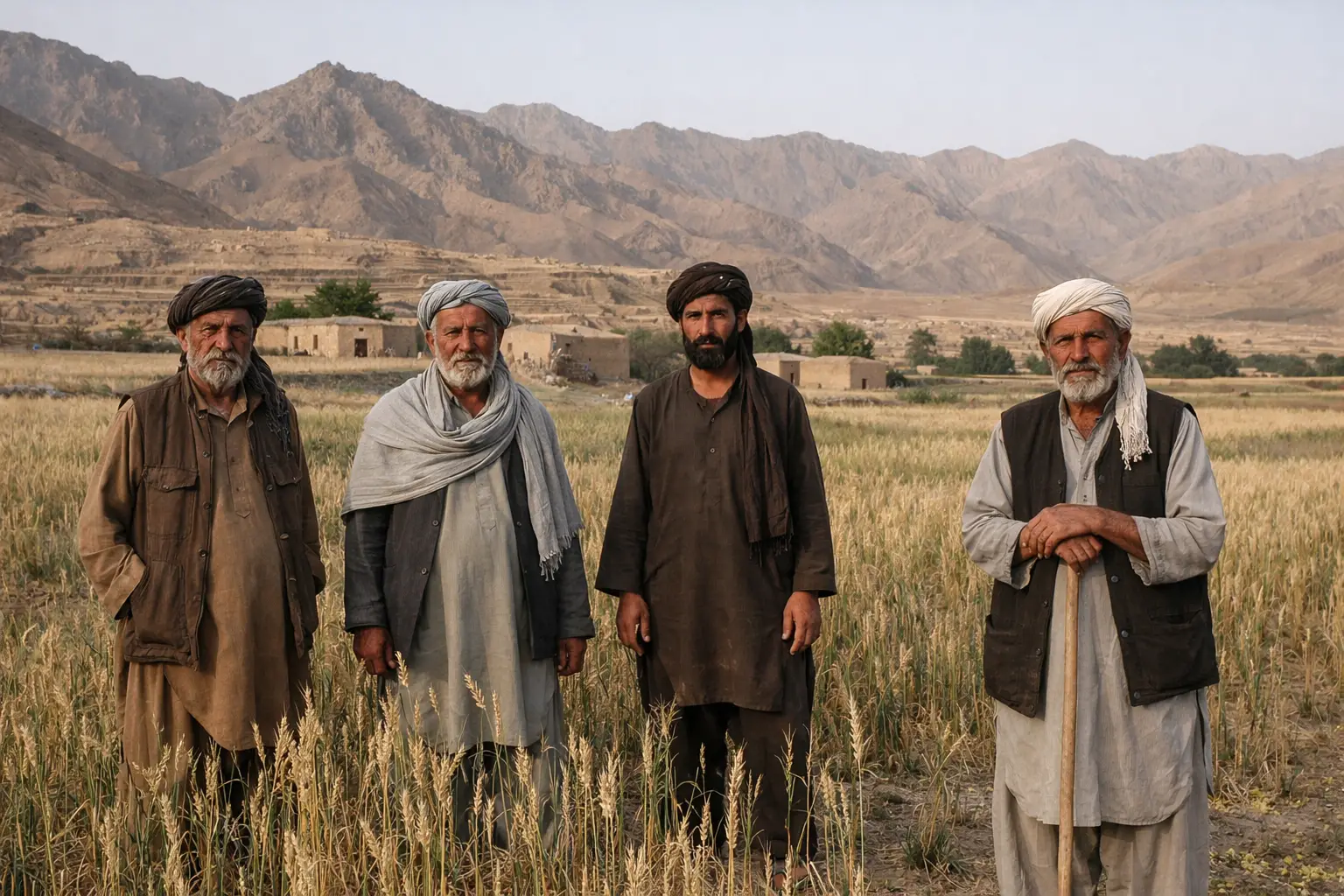
The issue reaches beyond routine immigration enforcement because many Afghans who fled after the collapse of the previous government had direct or family connections to the U.S.-led mission. Shawn VanDiver, head of #AfghanEvac, said many of those facing removal left after the Taliban returned to power. He also identified some as relatives of men who served alongside U.S. forces during the war.
The public details available so far do not specify how many Afghan immigrants are affected, when deportations could take place, or which legal categories apply to the individuals facing removal. Deportation is a formal process carried out by the U.S. government, and cases can involve different immigration histories. In this instance, the central concern raised by advocates is the destination: a country where Taliban rule has altered the security environment for people associated with foreign forces.
#AfghanEvac and allied veterans’ groups have framed the planned deportations as a test of U.S. obligations toward Afghans connected to the American mission. VanDiver said some of those at risk are brothers and sons of men who worked with U.S. forces, adding that such family ties can make them identifiable to the Taliban. His comments reflect the broader position of advocacy groups that returns to Afghanistan may carry specific risks for families linked to the former international military effort.
Afghanistan has remained under Taliban control since 2021, after the U.S. withdrawal and the rapid collapse of the Western-backed government in Kabul. The planned removals therefore place immigration enforcement within the unresolved aftermath of that evacuation. For Afghan communities in the United States, the development underscores the continuing uncertainty facing people who fled during a period of political rupture and now face decisions made through the American deportation system.