








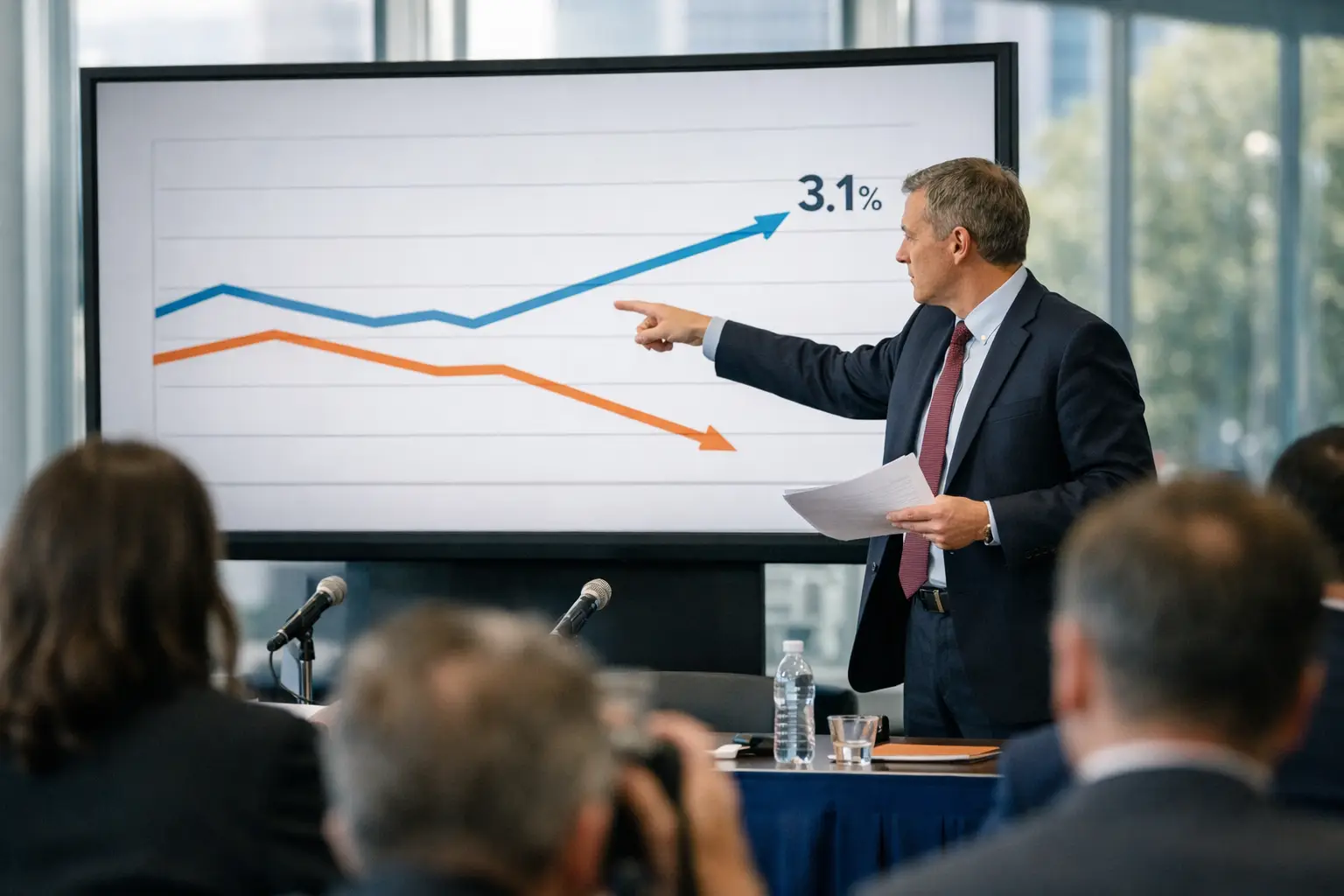
IMF raises forecast for global output in 2026, nudging projected growth up by 0.1 percentage point to 3.1%, the International Monetary Fund reported as it published its World Economic Outlook at the institution’s Annual Meetings in Bangkok. The update follows the Fund’s estimate of 3.5% growth in 2025 and underscores a modest but notable adjustment in global momentum.
The WEO attributes the upward revision largely to the unexpected resilience of advanced economies, which have absorbed disruptions tied to higher energy costs without a sharper slowdown. The report points to a complex backdrop of sustained demand in richer countries alongside persistent supply pressures from conflict-related disruptions to fuel markets, a dynamic the Fund links to elevated energy prices. At the same time, the analysis stresses that the recovery is uneven, creating what the Fund describes as a “split” outlook between economies.
Low-income countries remain especially exposed to the supply shock and to the knock-on effects of higher import bills and tighter external financing conditions. The WEO highlights the risk that these economies could face slower growth, higher debt burdens, and constrained fiscal space unless international support and policy responses are adjusted. The report also outlines policy priorities for different groups of countries, noting the trade-offs between anchoring inflation and supporting growth amid divergent domestic conditions.
Policymakers and markets will watch whether the modest upward revision alters near-term decisions on interest rates, fiscal plans and external assistance. Although the change to the 2026 projection is small, the Fund’s emphasis on divergence draws attention to the need for targeted measures to shield vulnerable countries from the fallout of energy and supply shocks. The WEO update at the Annual Meetings in Bangkok serves as a reminder that headline global figures can mask persistent regional and income-group differences in the post-shock recovery.