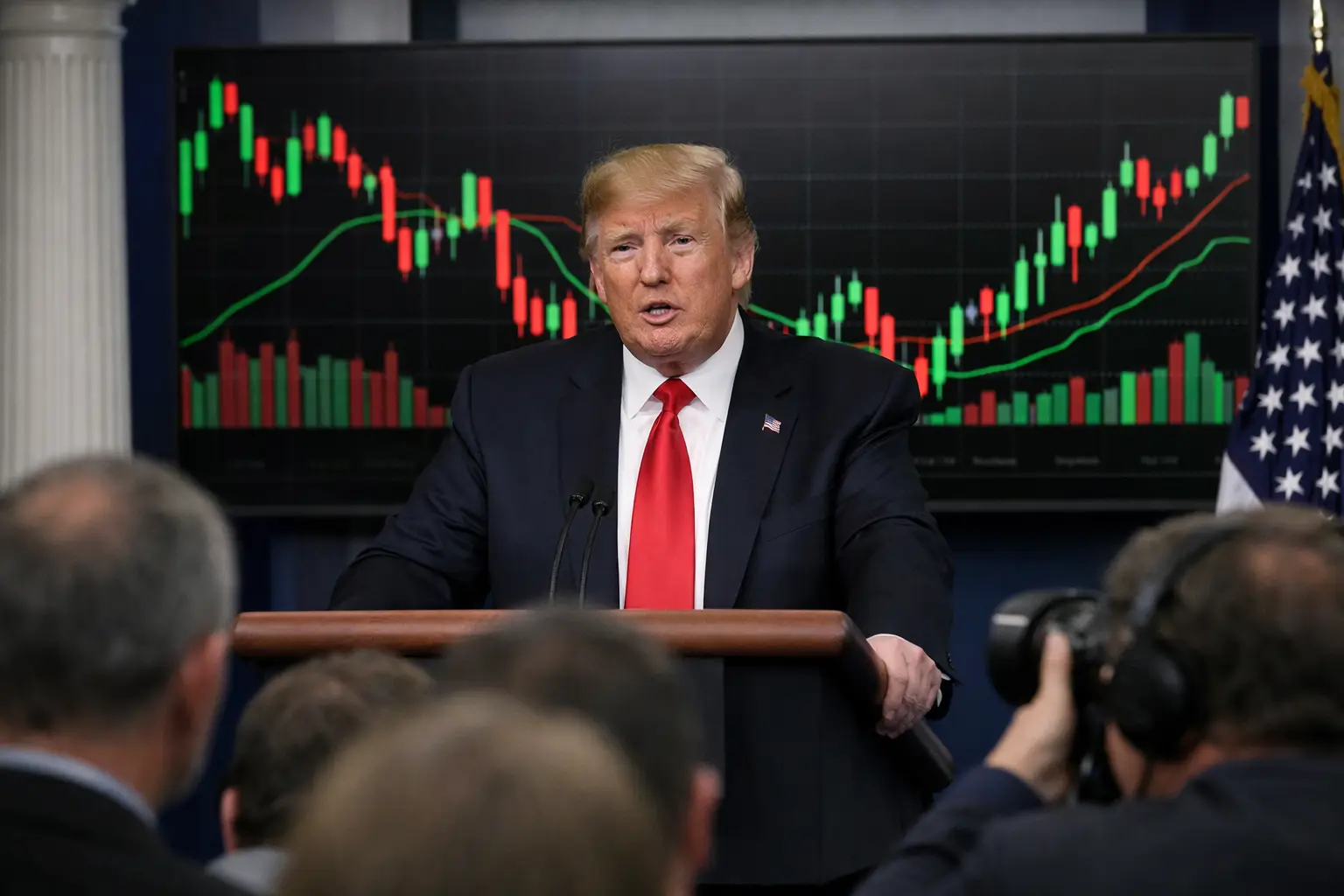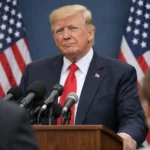






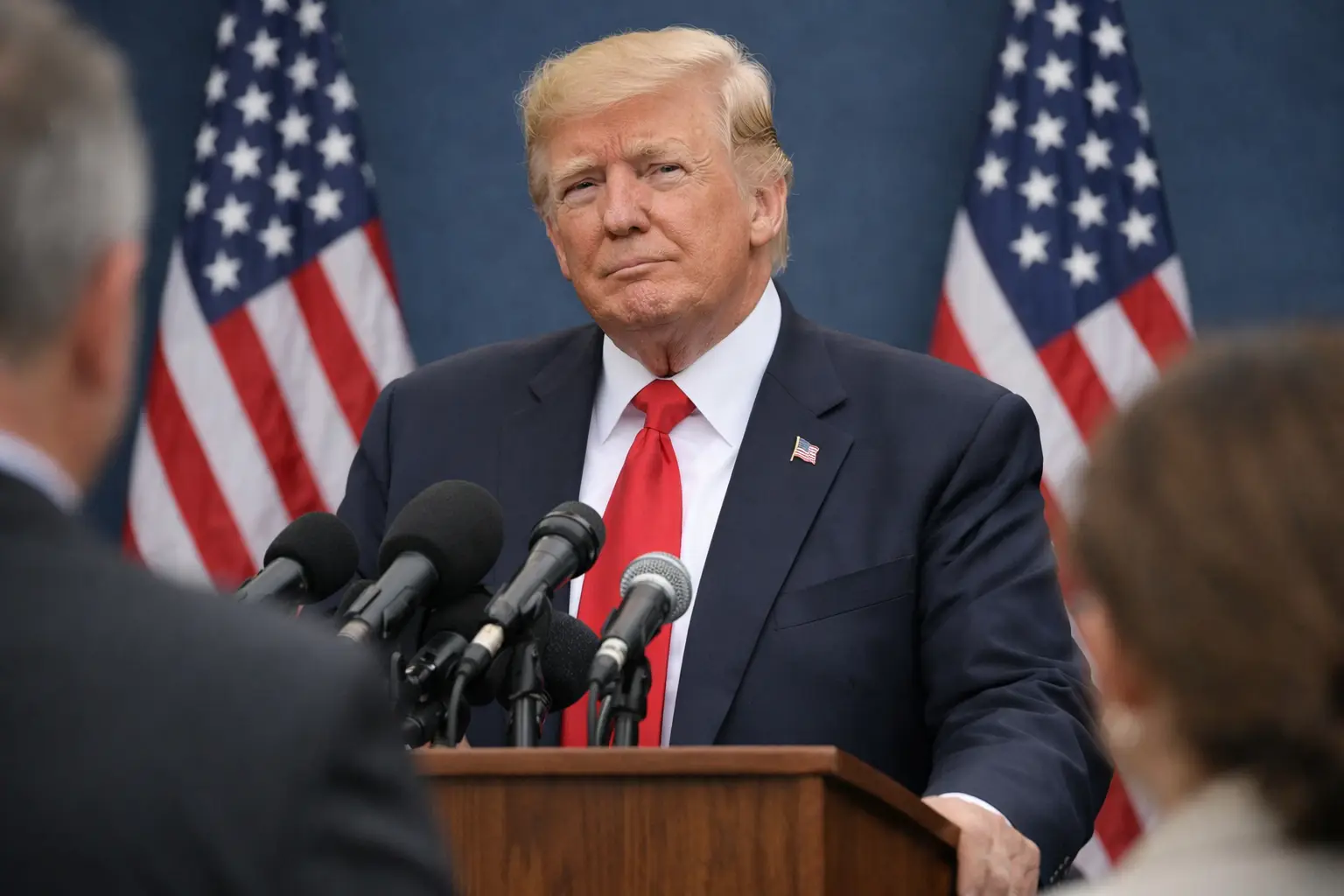
President Donald Trump pushed back against assertions that China and Russia are providing assistance to Iran, saying on his social platform that he did not believe such help was occurring. He wrote that he had seen comments from critics suggesting Beijing and Moscow were aiding Tehran, but dismissed those claims and argued both capitals had major interests that would make overt support unlikely.
Trump’s statement, posted on Truth Social, reiterated his view that any material backing for Tehran would become apparent to U.S. authorities quickly. He described the alleged cooperation as limited at most and emphasized U.S. awareness of foreign activity in volatile regions. The remarks responded directly to a wave of commentary that linked China and Russia to Iran during heightened tensions in the Middle East.
The question of whether outside powers are assisting Iran has been a recurring element in international discussions about the region’s security dynamics. Claims of third‑party support influence diplomatic exchanges, sanctions debates and intelligence assessments in Washington and allied capitals. Public denials by a sitting or former president can affect the political framing of those debates even if they do not settle underlying intelligence questions.
By addressing the topic on his own platform, President Donald Trump sought to shape public perception of the issue and to counter critics who had raised the possibility of foreign assistance to Tehran. His message underscored a familiar theme in his communications: skepticism toward claims that do not, in his view, fit broader strategic incentives for other major powers.