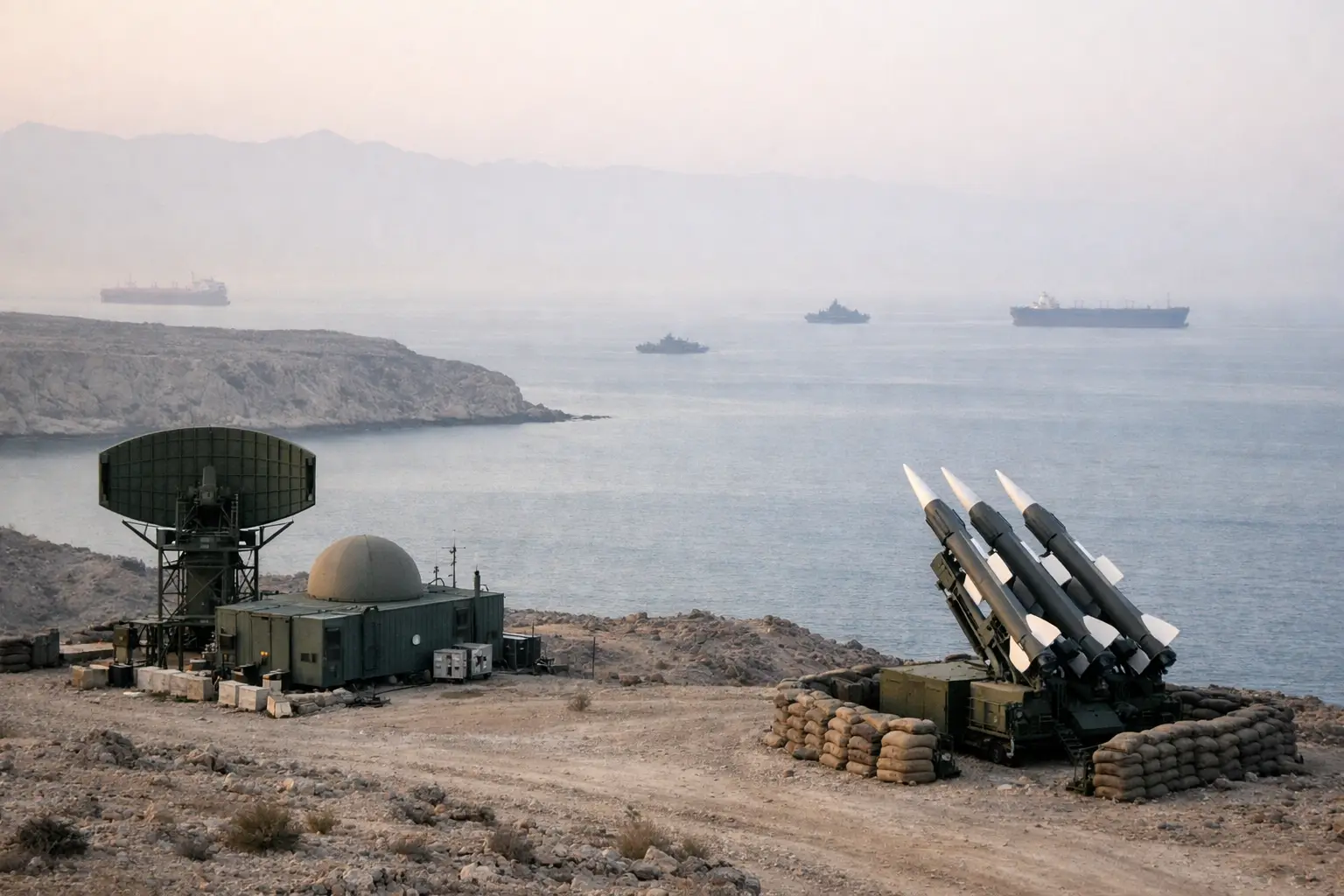






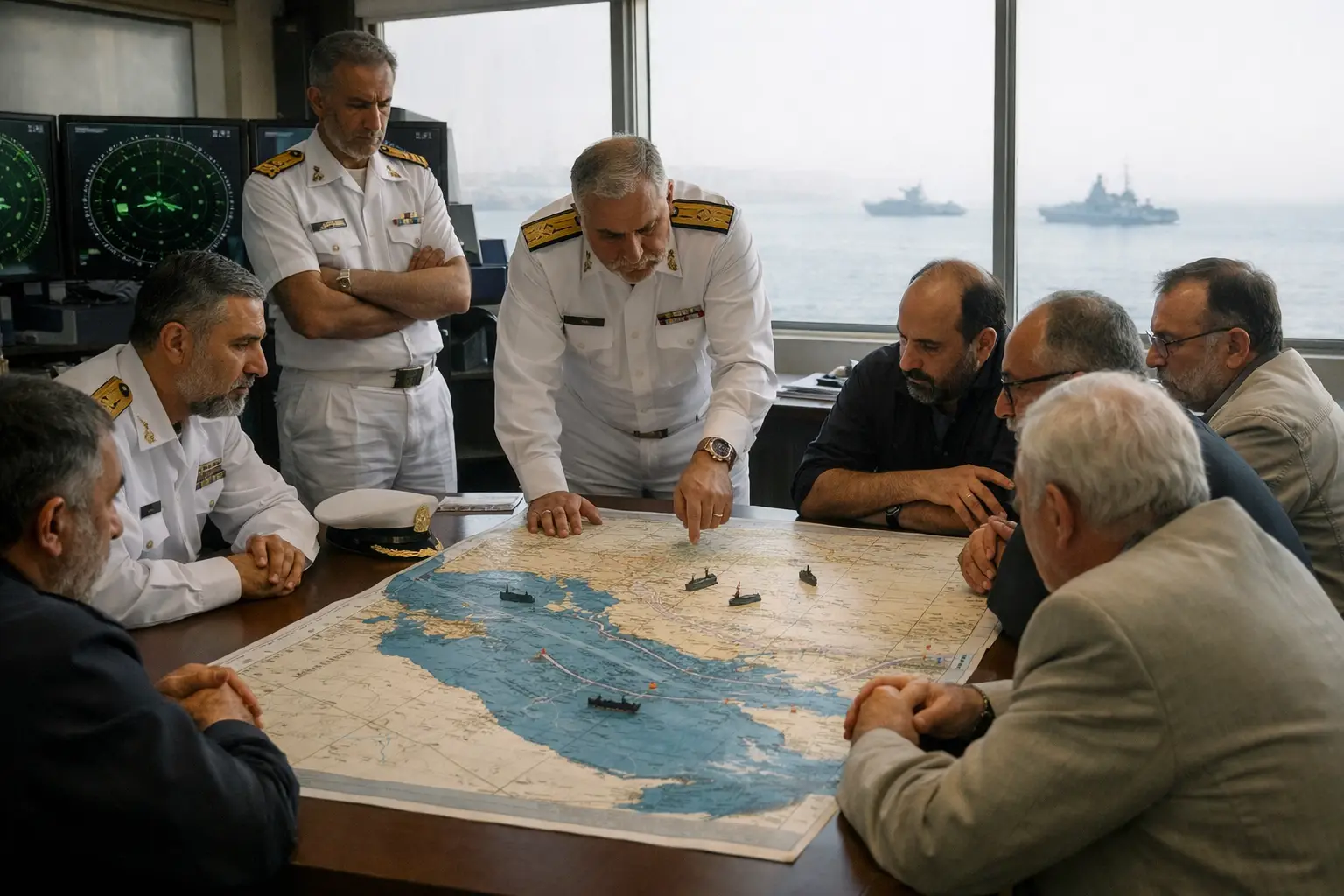
Iran’s military leadership said Saturday that its forces have become “stronger” since the start of the war with the United States, sharpening the political and security stakes in a conflict that remains unresolved after months of deadlock. The statement comes as Washington maintains pressure on Tehran over its nuclear programme, including a $20 million reward for information related to it. The message from Tehran signals that Iran intends to present itself as resilient despite sustained military and diplomatic pressure.
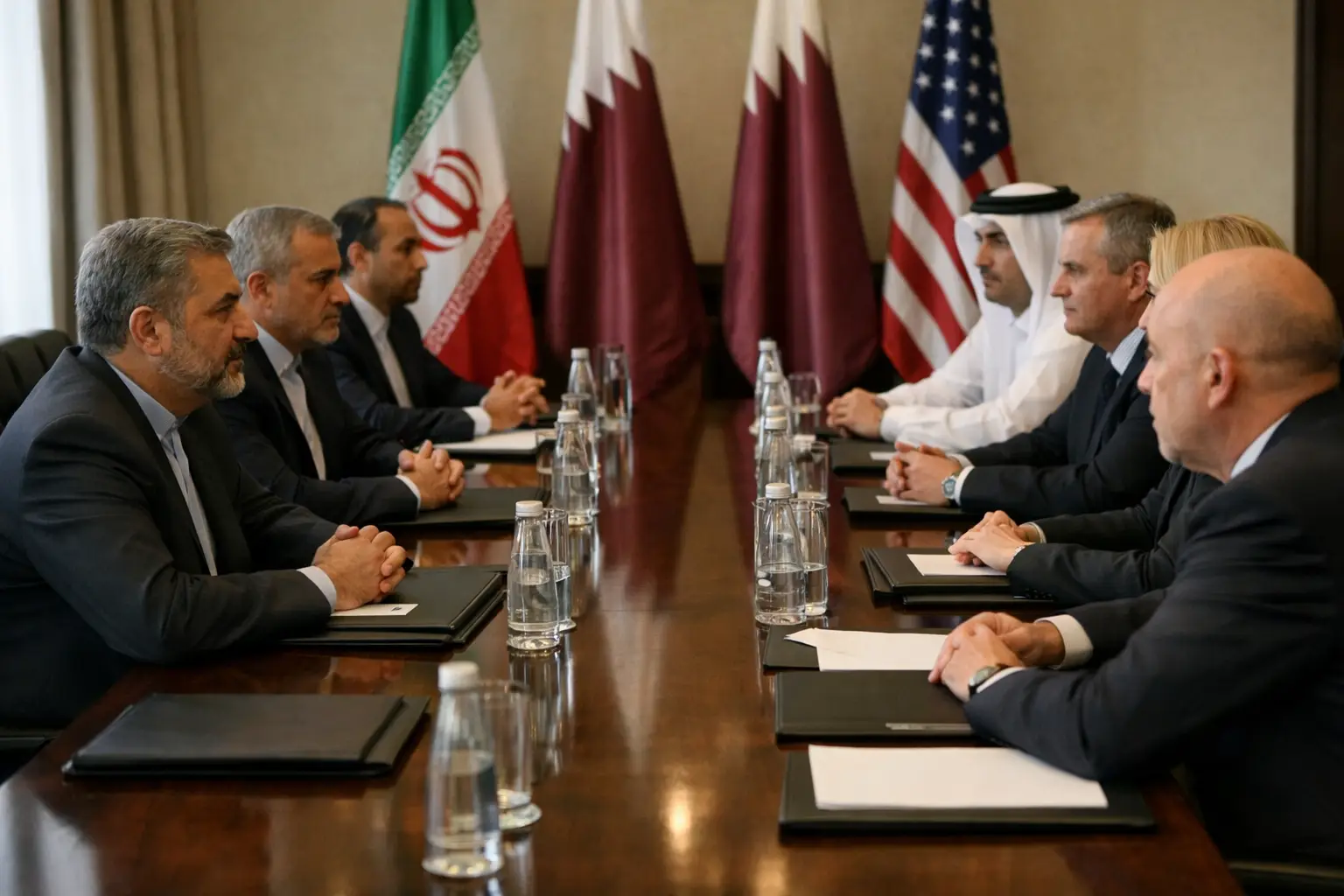
The conflict began in late February, when the United States and Israel attacked Iran. Since then, efforts to contain the crisis have focused on preventing a renewed escalation after fighting subsided into a tense stalemate. Mediators have been working to keep communication channels open and avoid a return to direct hostilities, but the absence of a settlement has left the region exposed to further instability.
The nuclear issue remains central to the confrontation. The reward offered by the United States underlines Washington’s continued focus on Tehran’s nuclear activities, a subject that has long shaped relations between Iran and Western governments. Tehran’s latest military message adds another layer to a standoff already driven by security concerns, regional alliances and unresolved disputes over strategic capabilities.
Another pressure point is the Strait of Hormuz, where Tehran has sought to limit traffic. The waterway is one of the world’s most important energy corridors and normally carries about one-fifth of global oil consumption. Any restriction there has consequences beyond the immediate conflict zone, affecting energy markets, shipping routes and the calculations of governments dependent on stable oil flows.
For mediators, the combination of military claims, nuclear pressure and maritime disruption leaves little room for complacency. Iran’s assertion of increased strength does not alter the underlying impasse, but it reinforces the difficulty of moving from crisis management to a durable political arrangement. With no breakthrough announced, the priority remains preventing the conflict from returning to open warfare while managing risks that extend across the wider Middle East and global energy system.