




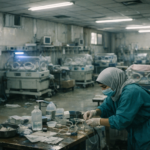





Two tiny newborns lay side-by-side inside a single incubator in a southern Gaza hospital, where monitors kept time and doctors attended closely. The image, of infants sharing space meant for one, highlights immediate shortages of both equipment and beds at neonatal units already operating under extreme pressure.
Medical staff in the territory say these early moments of life have been made far more precarious by a broader humanitarian breakdown in the war-shattered enclave that borders Israel and Egypt. Hospitals are reporting constrained space and dwindling supplies, complicating routine care for all newborns and narrowing options for those who require specialist treatment.
Premature infants — already in need of close thermal regulation and continuous monitoring — are especially affected. With a limited number of incubators available, clinicians in some wards are required to manage multiple vulnerable patients in tight quarters while relying on bedside monitoring and ad hoc arrangements to sustain care. The shortages increase operational strain on neonatal teams tasked with prioritising scarce resources and maintaining infection control in crowded conditions.
The situation underscores the immediate challenge of protecting infants who enter the world in a context of conflict and resource scarcity. Hospitals coping with insufficient equipment and space face hard choices about allocation of care for the most fragile patients, and the circumstances have drawn renewed attention to the needs of neonatal services across Gaza. For newborns that require specialist interventions, the path forward remains fraught amid the ongoing humanitarian crisis.