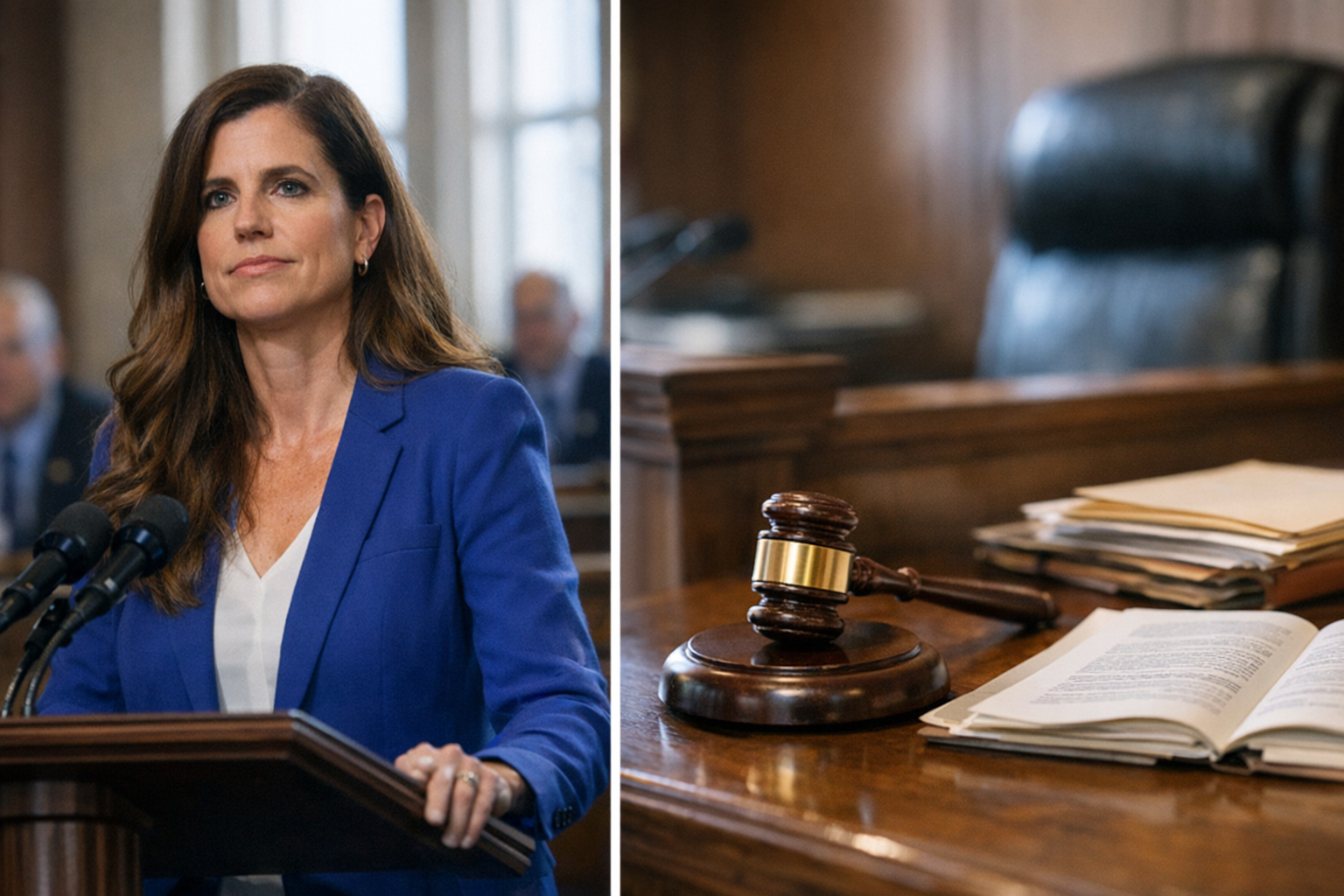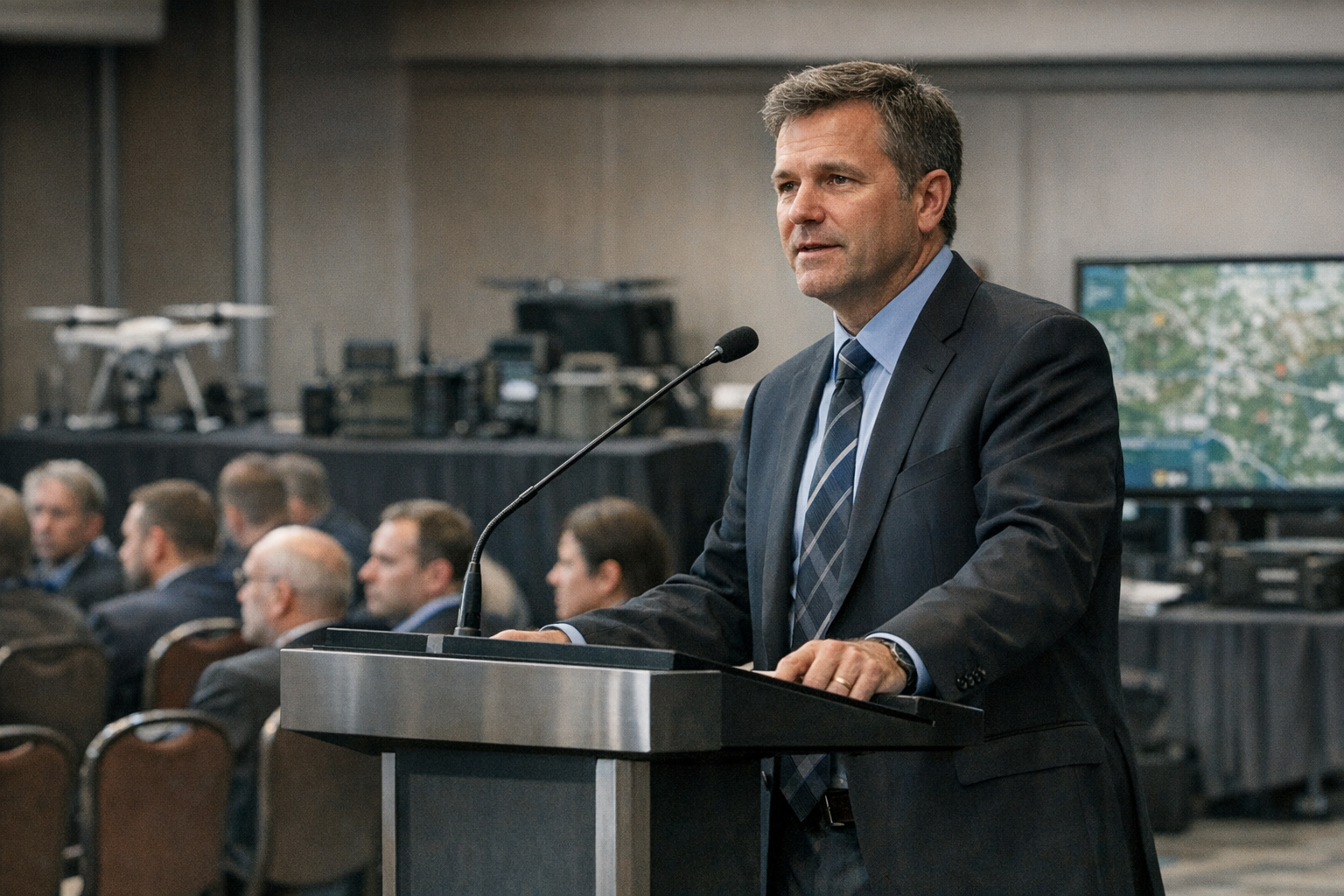




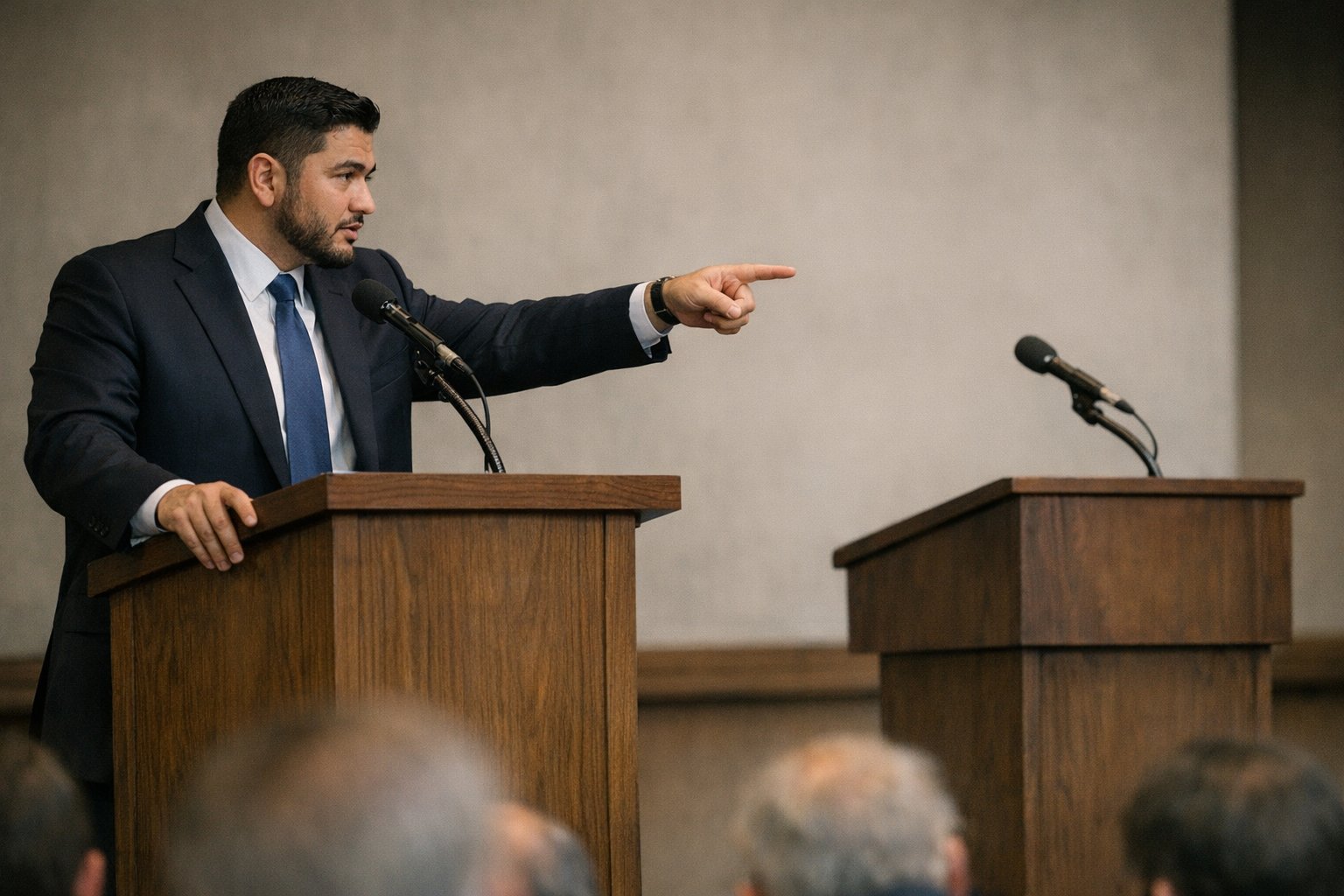
Absent at Tuesday’s debate, Abdul-El Sayed pressed his criticism of Mike Rogers after the former congressman did not appear for a scheduled face-off. The Democratic candidate portrayed the nonattendance as a deliberate decision by his Republican rival to avoid direct engagement with voters, invoking an image of a conspicuous political presence choosing not to participate.
The exchange concerns the contest for a Senate seat in Michigan, where campaigning has intensified in recent weeks. Abdul-El Sayed is running as the Democratic nominee, while Mike Rogers is the Republican challenger and a former member of the U.S. House of Representatives. Debate events are commonly viewed as opportunities for candidates to outline policy differences and to respond to voters’ questions directly; organizers had planned the Tuesday-night session as part of that cycle.
Sayed’s remarks drew attention to how absence from high-profile events can shape campaign narratives. His team framed the episode as an example of a candidate ducking scrutiny, while local coverage noted the optics created when a scheduled forum proceeds without one of the principal contenders. Critics and supporters alike often use such moments to assess competitiveness and discipline in campaign messaging, though the long-term electoral impact of a single missed debate can vary depending on broader dynamics and voter priorities.
Both campaigns continue active outreach across the state as they seek to define their cases to voters in the weeks ahead. The exchange over the missed debate underscores the central role public forums play in the run-up to federal contests and the expectations voters place on candidates to participate. Observers point out that debate attendance, campaign events and other voter-facing engagements remain key measures by which campaigns are judged as the race advances toward Election Day and the responsibilities of the U.S. Senate become a focal point for voters in the state.