







By Isaac Hammouch
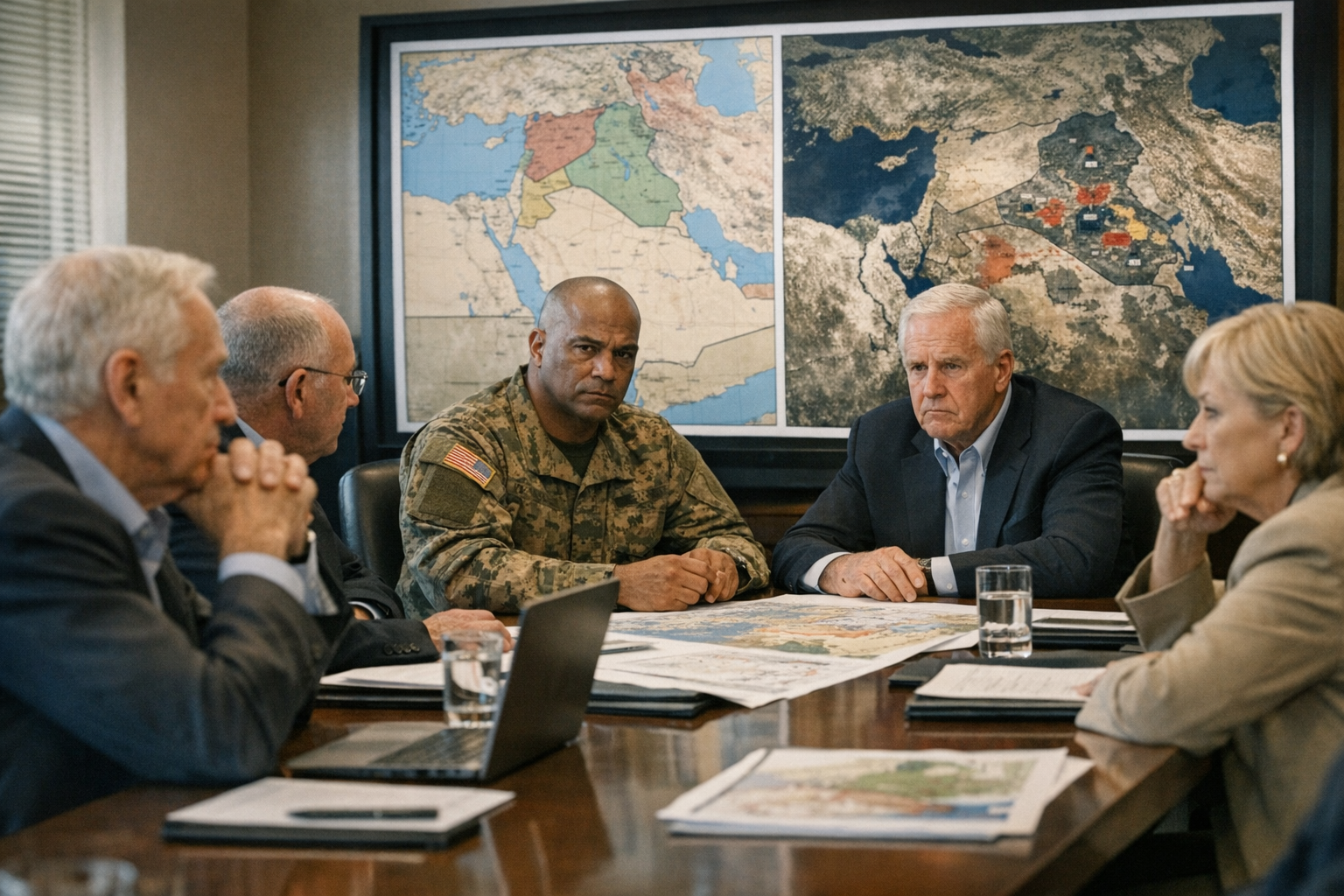
The signing of the “Islamabad Memorandum” on June 17 does not merely constitute a tactical pause in the turmoil that has shaken the Middle East for the past four months; in many respects, it marks the end of a period of military blitz to inaugurate a phase of great diplomatic complexity. While the cessation of hostilities brings immediate relief, it would be premature to see it as the prelude to a reconciliation. Instead, we are witnessing a strategic shift where cold realism is, out of necessity, supplanting bellicose postures.
The Exhaustion of Military Logic
The first evident observation is the erosion of potential gains through brute force. After months of exchanging fire and confrontational posturing, regional actors have reached a limit where the cost of continuing the conflict—be it economic, political, or security-related—threatens the very stability of the regimes involved. This memorandum, driven by Washington and Tehran, reveals a universal truth in international relations: when the cost of escalation exceeds the expected benefit of victory, diplomacy becomes the only rational refuge. This is not an embrace of peace, but a pragmatic management of chaos.
The Israeli Dilemma: Between National Security and Diplomatic Realism
Israel’s position in this shifting landscape deserves a nuanced analysis. Jerusalem finds itself confronted with a major challenge: that of reconciling a legitimate requirement for security—in the face of the persistent threat posed by Hezbollah at its borders—with the new international diplomatic pressures imposed by this agreement.
The determination displayed by the Israeli government to maintain its intervention capabilities is not a simple rebellion against consensus, but the manifestation of a defense doctrine anchored in survival. However, by maintaining a line of conduct that sometimes departs from the framework negotiated in Islamabad, Israel risks finding itself in growing diplomatic isolation. The challenge for the Jewish State is now to translate its security imperatives into a language that the international community can integrate; otherwise, it risks seeing its traditional allies detach themselves from its regional strategy.
Lebanon and Hezbollah: A Forced Mutation
For Lebanon, this memorandum represents a breath of fresh air in a bleeding country, but it is also a trap. Hezbollah, while retaining its arsenal, finds itself captive to a diplomatic process that it did not entirely initiate. Paradoxically, this situation offers a window of opportunity for the Lebanese State. If Lebanese institutions manage to seize this breathing room to reassert their authority, it could be a historic chance to restore a national sovereignty that has been diluted for too long by regional agendas. However, the fragility of the Lebanese social fabric makes this prospect as promising as it is uncertain.
Conclusion: The “Cold Peace,” a Fragile Balance
In conclusion, we must avoid falling into wishful thinking. The Islamabad Memorandum is a “cold peace”: an absence of fighting that in no way guarantees an absence of conflict. It imposes a new grammar on regional powers, where disagreements will no longer be settled by fire, but through permanent negotiation under high surveillance.
The true question for the coming weeks lies in the signees’ ability to transform this ceasefire into a lasting security architecture. If this truce is nothing more than a tactical parenthesis allowing the belligereants to rebuild their forces, then the next blaze will inevitably be more violent. For this sequence to succeed, the structural mistrust defining relations between Washington, Tehran, and Jerusalem must be overcome. The path is narrow, littered with obstacles, but today it constitutes the only bulwark against a total regional conflagration.